Sign up with Google
 Sign in with Zoho

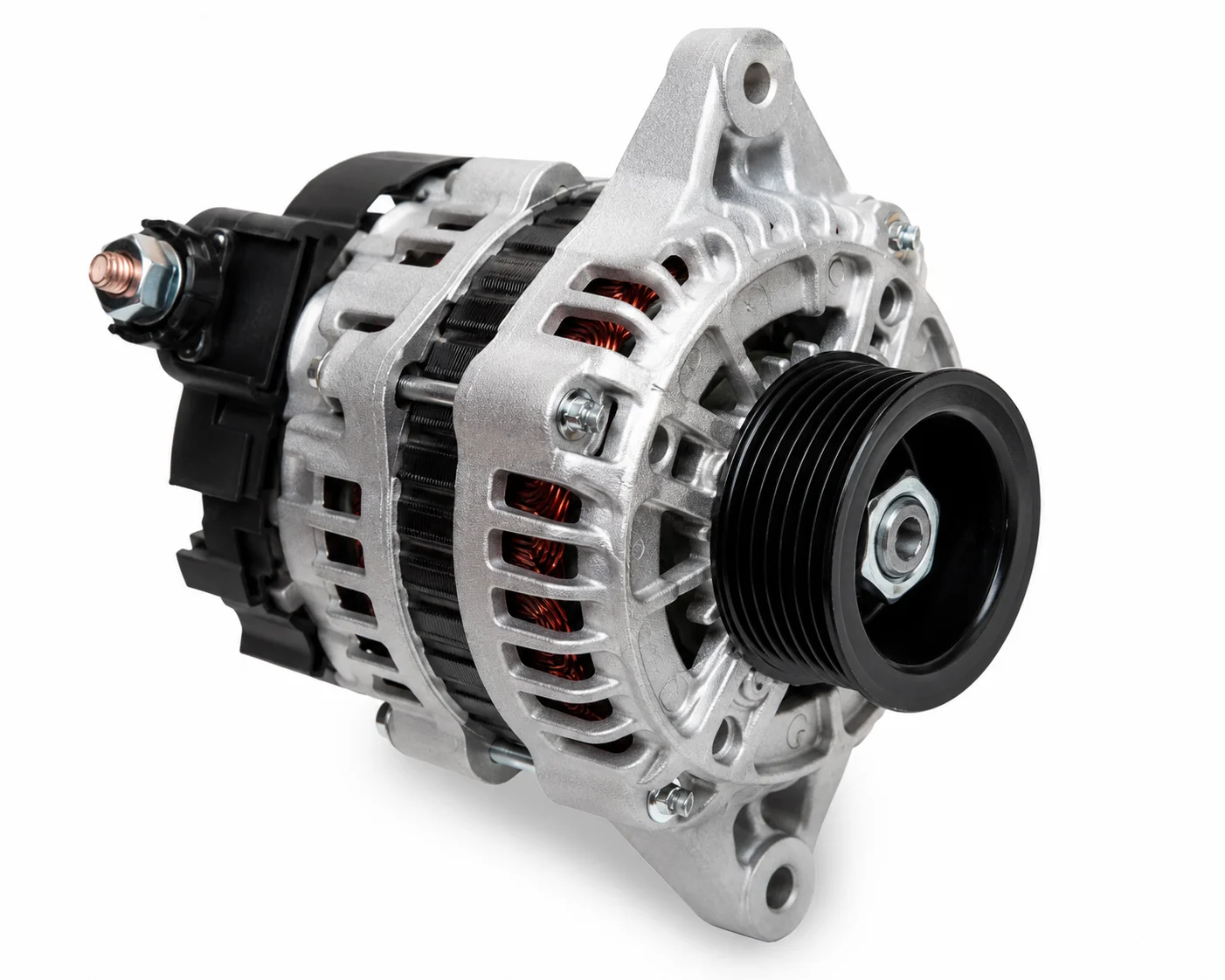
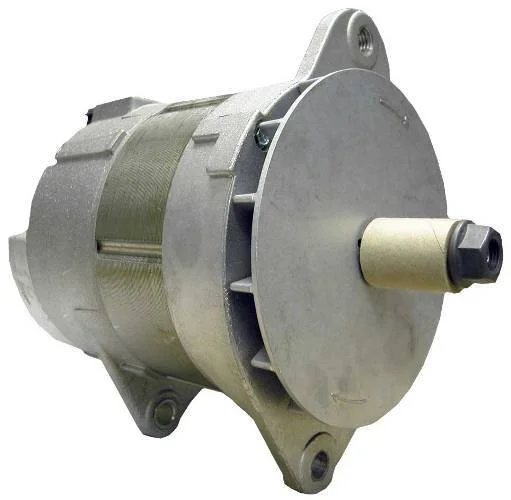
The marine alternator is one of those components that doesn't get much attention until something goes wrong. But once it does, you realize just how central it is to everything your boat does. It keeps your battery charged, powers your onboard electronics, and ensures your engine management system runs without hiccups.
This guide is written specifically for Canadian boat owners who want to make a smart, informed purchase. We'll walk you through what a marine alternator actually does, how to evaluate whether yours needs replacing, what specs to look for, and where to source quality parts. If you've been searching for a Marine Alternator Online Canada, you've come to the right place.
1. What Does a Marine Alternator Actually Do?
Before you can choose the right one, it helps to understand what a marine alternator is doing while your engine runs. Simply put, it converts mechanical energy from the engine's crankshaft into electrical energy that recharges your battery and powers your boat's electrical systems.
Unlike a car alternator, which powers one battery and a relatively simple electrical load, a marine alternator often has to handle:
- Multiple battery banks (starting battery, house battery, trolling motor battery).
- High-draw electronics like chart plotters, radar units, and electric downriggers.
- Harsh environmental conditions, including salt spray, condensation, and wide temperature swings.
- Longer continuous run cycles compared to typical road vehicles.
This is why a marine alternator is specifically designed with sealed bearings, corrosion-resistant coatings, and in many cases, higher output ratings than automotive equivalents. They're built to last in environments that would quickly destroy a standard car part.
2. Signs Your Marine Alternator Needs Attention
The truth is, alternators rarely fail overnight. They tend to give warning signs if you know what to look for.
Battery Not Holding a Charge
If you're finding that your batteries are consistently low even after a full day of running the engine, the alternator may not be charging them properly. Start by ruling out old or damaged batteries, but if those check out, the alternator is the next suspect.
Flickering or Dimming Lights
Voltage fluctuations often show up as lights that dim when you increase throttle or electrical load. This inconsistency is a classic sign that the alternator is struggling to maintain stable output.
Strange Noises from the Engine Bay
A worn alternator bearing will produce a grinding or whining sound that changes with engine RPM. If you hear something unusual near the alternator, inspect it sooner rather than later.
Warning Lights or Error Codes
Modern marine engines with electronic control units (ECUs) will often throw a charging system error code if voltage drops below a threshold. Don't ignore these.
Burning Smell or Heat
Excessive heat or a faint burning smell can indicate a diode pack failure inside the alternator. At this stage, replacement is usually the most practical solution.
If you're noticing one or more of these signs, it's likely time to start considering an alternator replacement for a marine engine. Acting before a complete failure saves you from a potentially dangerous situation on the water.
3. Key Specifications to Understand Before You Buy
Alternators aren't one-size-fits-all. The right choice depends heavily on your specific engine, your electrical load, and your boating habits. Here's what to pay attention to:
Output Amperage (Amps)
This is probably the most important number. Output amperage determines how much electrical current the alternator can produce. A boat with basic lighting and a small fishfinder might get by with a 60–80 amp alternator, but a larger vessel with radar, a stereo system, a refrigerator, and multiple battery banks could easily need 120 amps or more.
A common mistake is replacing an alternator with the exact same amperage as the original without considering whether your electrical load has grown. If you've added equipment since the boat was built, upgrading to a higher-output alternator is worth considering.
Voltage Output
Most marine systems run on 12-volt systems, though some larger vessels use 24-volt systems. Make absolutely sure the alternator you're purchasing matches your boat's system voltage. Installing the wrong voltage alternator can damage your batteries and electronics permanently.
Mounting Configuration
Marine alternators mount in specific positions relative to the engine. You'll encounter designations like 1-wire, 2-wire, and 3-wire configurations. The mounting ears, the belt groove size, and the position of the rear connection must match your engine's specifications. This is why it's critical to know your engine make, model, and year before purchasing.
Rotation Direction
Some engines require a clockwise-rotating alternator, others counterclockwise. Getting this wrong won't just mean the alternator won't charge; it can cause the belt to slip or even damage surrounding components.
IP Rating and Corrosion Resistance
In Canada's saltwater boating environments, think British Columbia's coastal waters or the Bay of Fundy; corrosion resistance matters enormously. Look for alternators with sealed bearings and marine-grade coatings. An IP55 or higher rating means the unit can handle water splashing from any direction, which is pretty much a daily reality on a working boat.
Temperature Range
Canadian boating seasons bring a wide temperature spectrum. A marine alternator should comfortably operate from the cold spring mornings on the St. Lawrence River to hot summer afternoons in Lake Erie. Check the manufacturer's operating temperature range to ensure it suits your season.
4. Popular Marine Engine Brands and Their Alternator Needs
Canada's recreational and commercial boating market features a wide range of engine brands, each with slightly different alternator requirements. Here's a general overview of the most common:
Mercruiser (Mercury Marine)
One of the most popular inboard and sterndrive engines in Canada. Mercruiser engines typically use Delco-style or Motorola-style alternators with specific amperage outputs depending on the model year and engine displacement. Always cross-reference your engine serial number.
Volvo Penta
Volvo Penta engines are common in the mid-size and larger cruiser market. Their alternators tend to be proprietary or semi-proprietary, meaning you'll want to ensure exact compatibility. Many Volvo Penta alternators are dual-circuit, meaning they charge two battery banks simultaneously.
Yamaha Outboards
Outboard alternators are typically integrated into the engine's stator charging system. They operate differently from traditional belt-driven alternators, though the result is the same—keeping your batteries charged. Yamaha outputs typically range from 15 to 50 amps depending on model.
Honda Marine
Known for reliability, Honda outboards also use integrated charging systems. When these fail, a proper OEM-spec replacement ensures compatibility with Honda's electronic systems.
Cummins and Yanmar (Diesel)
Commercial and bluewater boats in Canada frequently run Cummins or Yanmar diesel engines. These often support higher-amperage alternators and may use dual-alternator setups for redundancy. If you're doing an Alternator Replacement for Marine Engine on a diesel vessel, double-check the serpentine or V-belt configuration, as diesel engine alternator brackets differ significantly from gasoline counterparts.
5. Installation Tips for Marine Alternator Replacement
If you're comfortable with basic marine mechanics, alternator replacement is a manageable DIY job. Here's how to approach it safely:
- Always disconnect the negative battery terminal before touching any electrical connections
- Take photos of all wiring connections before removing the old alternator; this is your reference during reinstallation.
- Inspect the belt for wear; if it's fraying or glazed, replace it at the same time.
- Check the mounting bracket for corrosion or cracks; a failed bracket is as dangerous as a failed alternator.
- Torque the mounting bolts to the manufacturer's specification; under-torqued alternators vibrate loose, and over-torqued ones can crack the housing.
- After installation, use a multimeter to verify the alternator is producing proper voltage at idle (typically 13.8V–14.4V) and at 2,000 RPM.
- Let the engine run for 20–30 minutes and then recheck all connections for heat, which can indicate a loose connection.
Where to Source Your Marine Alternator in Canada
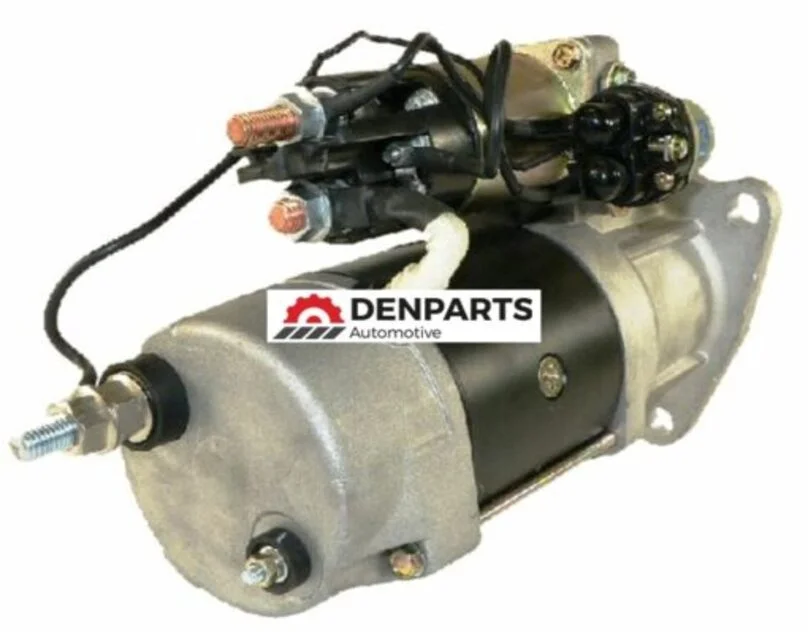
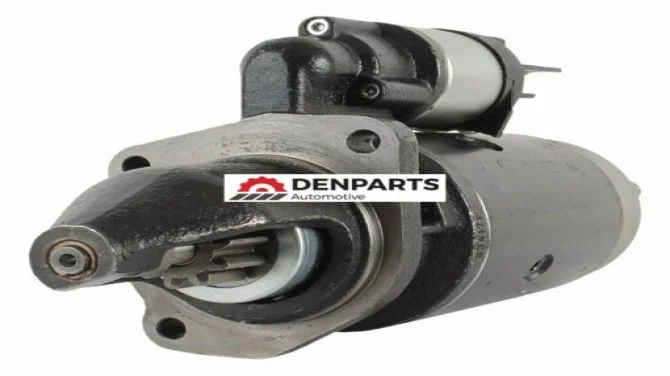
For Canadian boat owners who want genuine, specification-matched marine alternators without the hassle of navigating cross-border shipping or uncertain compatibility, Denparts.ca is a trusted Canadian source. Specializing in starters, alternators, and related electrical components for both automotive and marine applications, Denparts carries a wide selection of units suitable for a broad range of marine engines popular in Canada.