Sign up with Google
 Sign in with Zoho
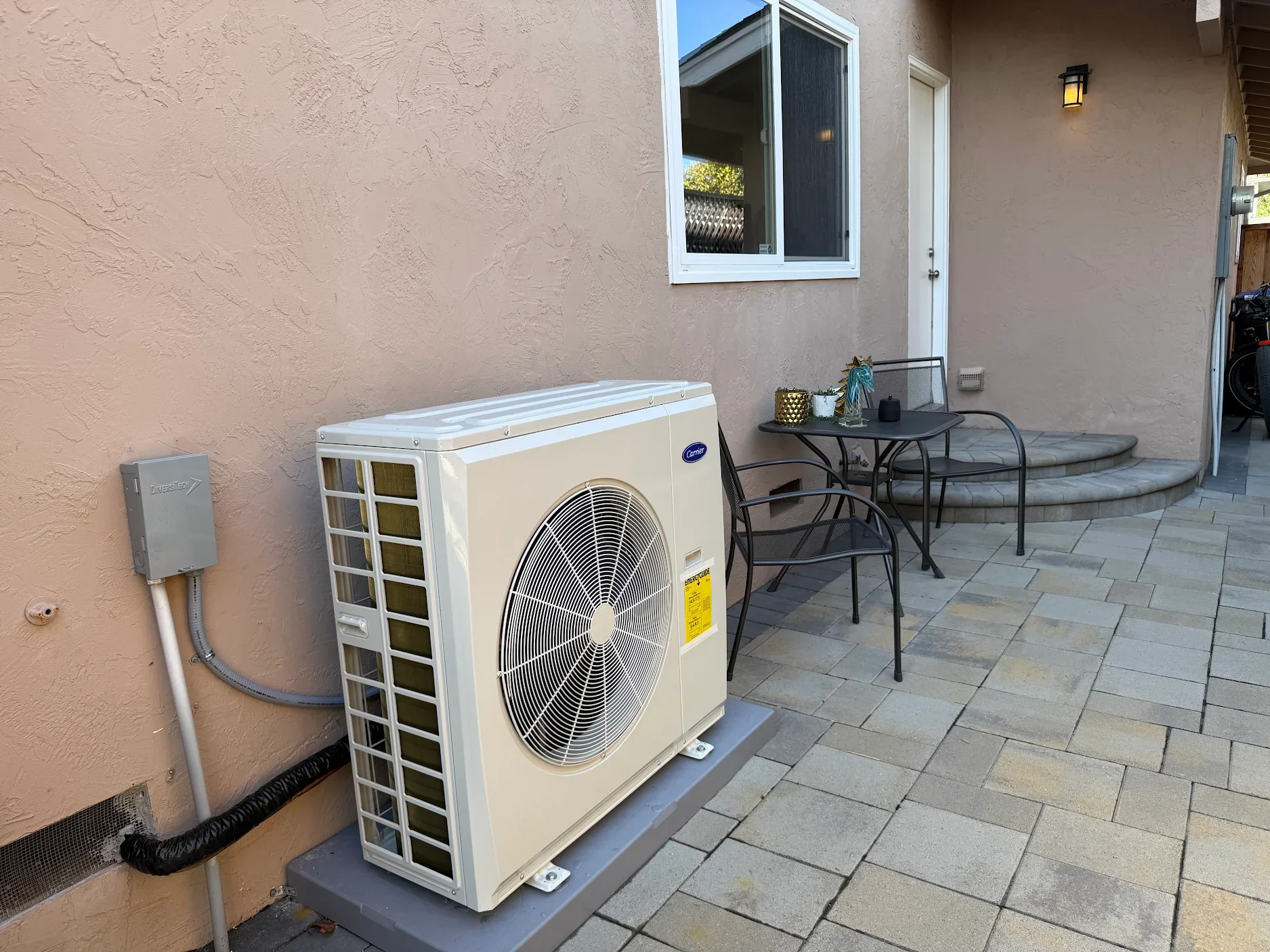
When searching for "heating and air repair near me," look for a licensed local HVAC company that offers same-day or 24/7 emergency service, upfront flat-rate pricing, and EPA-certified technicians. Common heating and cooling issues include no heat or no cool air, strange noises, weak airflow, short cycling, and unusual smells — all of which should be diagnosed by a professional rather than repaired yourself, especially when gas lines, refrigerant, or electrical components are involved. Most repairs cost between $150 and $800 and are completed the same day, while larger issues like a cracked heat exchanger or failed compressor may point toward system replacement instead.
Searching "heating and air repair near me" usually means one thing: something in your home stopped working right, and you need it fixed fast. Here's how to figure out what's actually wrong, what a repair visit typically involves, and how to pick a company you can trust — without overpaying or waiting longer than you have to.
Common Heating Problems
- No heat at all — often a pilot light, ignition, or thermostat issue
- Blowing cold air — a dirty flame sensor, tripped limit switch, or thermostat set incorrectly
- Strange noises — banging, squealing, or rattling from the furnace
- Short cycling — the system turns on and off repeatedly without properly heating the home
- Yellow burner flame — a potential carbon monoxide risk that needs immediate attention
- Burning smells that persist beyond the first startup of the season
Common Air Conditioning Problems
- Warm air instead of cool — usually low refrigerant or a failing compressor
- Weak airflow — a clogged filter, blocked vents, or failing blower motor
- System won't turn on — a tripped breaker, bad capacitor, or faulty thermostat
- Water leaking near the indoor unit — almost always a clogged condensate drain
- Unusual odors — musty smells suggest mold; burning smells mean shut it off immediately
When It's an Emergency
Some issues can wait for a scheduled appointment. Others can't. Turn the system off and call immediately if you notice:
- A gas smell (rotten eggs) or a working carbon monoxide detector alarm
- A yellow or flickering furnace flame
- Burning smells that don't fade
- Sparking, smoke, or visible electrical damage
- No heat or no AC during extreme temperatures, especially with young children, elderly family members, or pets in the home
What a Repair Visit Typically Involves
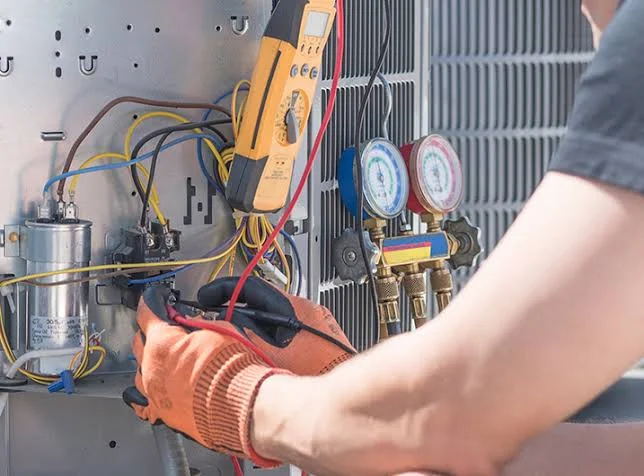
- Diagnosis — A technician inspects the system, checks safety controls, and identifies the root cause.
- Upfront pricing — You should get a flat-rate quote before any work begins, not a surprise bill after.
- Repair — Common fixes include part replacements (capacitors, igniters, motors, sensors) or refrigerant leak repairs.
- Testing — The system is run through a full heating or cooling cycle to confirm the issue is resolved.
How Much Does Heating & Air Repair Cost?
Costs vary based on the issue, but general ranges look like:
A reputable company will confirm the exact price with you before starting the repair — not estimate it verbally and adjust the bill afterward.
Repair or Replace?
- Repair makes sense if your system is under 10–12 years old and the issue is a single component failure.
- Replace becomes the smarter option if the unit is 15+ years old, has a cracked heat exchanger or failed compressor, or has needed multiple repairs in recent seasons.
A trustworthy technician should explain this trade-off clearly rather than pushing a sale either way.
How to Choose the Right Local Company
When comparing "near me" results, look for:
- A verifiable state contractor's license
- EPA-certified technicians for refrigerant handling
- Transparent, flat-rate pricing
- True 24/7 emergency availability, not just an answering service
- A written workmanship guarantee
- Strong local reviews from homeowners in your actual area
Get Help Fast
A heating or cooling failure rarely gets better by waiting. A licensed local technician can typically diagnose the issue same-day, give you clear upfront pricing, and get your system running safely again — whether it's a quick part replacement or a bigger decision about repair versus replacement.







.webp)