Sign up with Google
 Sign in with Zoho
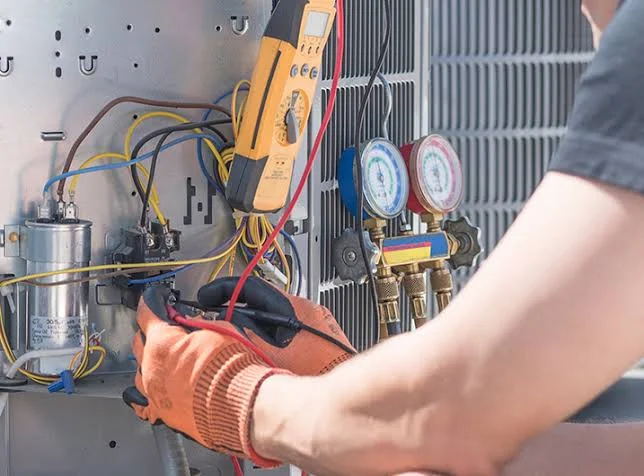
It’s usually not a good time when an HVAC system quits. The AC dies on the hottest afternoon of a Bay Area heat wave, or the furnace goes quiet at 11 p.m. in the middle of a cold snap. Nobody plans for it, and in the moment it’s hard to tell whether you have a real emergency or something that can wait until morning.
This guide covers how to tell the difference, what to do while you wait for help, and what to expect from a good emergency HVAC service.
What actually counts as an HVAC emergency?
A system doing something odd isn’t always an emergency. A thermostat that’s a couple of degrees off can wait for a regular appointment. These situations shouldn’t wait:
- No heat when it’s cold, or no cooling when it’s hot. This matters most for young kids, older family members, anyone with health conditions, and pets.
- A burning smell or visible smoke. A faint dusty smell when you first switch on the heat after months of sitting idle is normal. A sharp, electrical, or plasticky burning smell is not.
- Loud grinding, screeching, or banging. These usually mean a part is failing, and running the system can turn a small repair into a big one.
- A breaker that keeps tripping every time the system starts.
- Ice on the refrigerant lines or indoor coil, or water pooling around the unit.
- A suspected refrigerant leak, often signaled by a hissing sound or air that never gets properly cold.
If you smell gas, skip the HVAC call for now. Leave the house, then call your gas utility or 911 from outside. Once it’s safe, an HVAC technician can look at the equipment.
Check these first (it takes five minutes)
Some calls end up being simple fixes, and it’s worth a quick look before you pick up the phone:
- Thermostat. Make sure it’s set to the right mode (heat or cool) and the temperature is set well past the room temperature. Dead batteries cause more service calls than you’d think.
- Breaker panel. If the breaker for the furnace or air handler tripped, reset it once. If it trips again right away, leave it off and call someone.
- Air filter. A badly clogged filter chokes airflow and can make a system overheat or freeze up. Swap it if it looks like a gray blanket.
- Vents and registers. Walk through the house and confirm nothing, like a rug or a piece of furniture, is blocking airflow.
If none of that helps, stop troubleshooting. Pulling panels off or poking around inside the equipment is how people get hurt or turn a repair into a replacement.
While you wait for the technician
- Turn the system off if it’s making strange noises, smelling like something is burning, or leaking. Running a struggling system makes damage worse.
- Make the house easier to live in. In summer, close blinds on sun-facing windows and run fans. In winter, close doors to rooms you don’t need and use blankets.
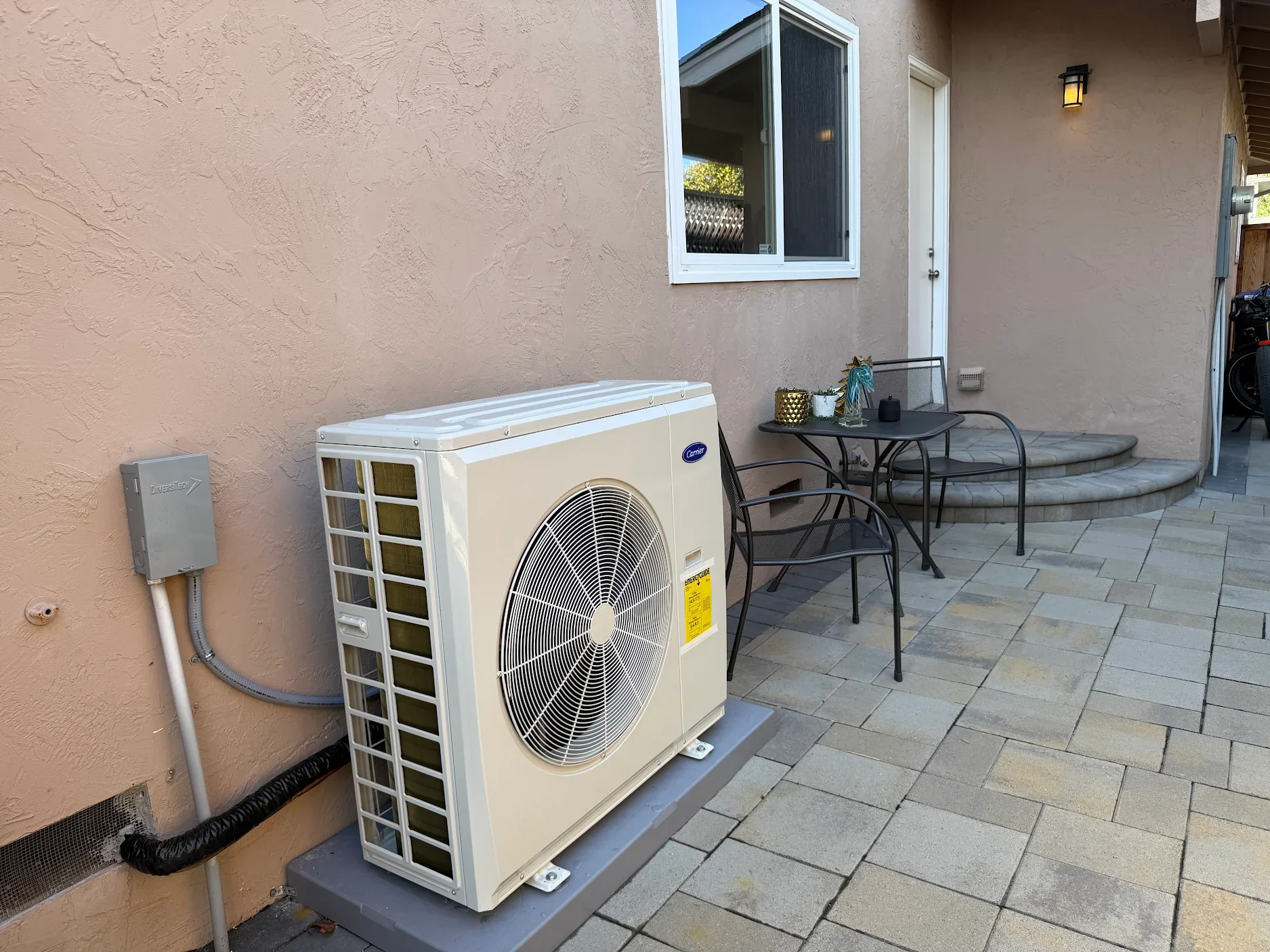
- Clear a path to the indoor unit, the thermostat, and the outdoor condenser so the tech can get to work right away.
- Jot down what happened. When did it stop? Any noises or smells beforehand? That kind of detail helps a technician narrow things down fast.
Why waiting it out can cost you more
It’s tempting to think, “I’ll just see if it fixes itself.” Sometimes a system does recover. More often, a failing capacitor, a clogged drain line, or a low-refrigerant situation gets worse the longer it runs. A repair that might have been modest becomes a compressor replacement, or water damage shows up on your ceiling.
There’s also the plain human side. Sleeping in a 90-degree house, or a freezing one, wears you down quickly.
What good emergency service looks like
Not every company handles after-hours calls the same way. A few things are worth looking for:
A real person, any hour. If you’re calling at 2 a.m., you want dispatch, not a voicemail box.
Clear pricing before work starts. Emergencies are exactly when people feel pressured into saying yes to anything. A trustworthy tech explains the problem, the options, and the cost first.
No after-hours surcharge. Many companies add a premium for nights, weekends, and holidays. Kailey Air Systems doesn’t charge one, so a midnight call is priced like a daytime one.
Trucks stocked with common parts. Capacitors, contactors, motors, and igniters fail often. When the truck carries them, many repairs can be finished in one visit instead of waiting days on a part.
Honest advice on repair vs. replace. A good technician will tell you when a repair makes sense and when you’d be throwing good money at a worn-out system. If your equipment is old and breaks down repeatedly, replacement may cost less over the long run, and that’s a conversation worth having calmly rather than at 1 a.m.
Proper licensing. In California, you can verify any contractor’s license through the CSLB website. Kailey Air Systems’ license number is 1093765.
How we handle emergency calls at Kailey Air Systems
We’re a San Jose-based HVAC company serving the Greater Bay Area, and our emergency line is open every day of the year. When you call, we’ll ask what’s happening, get a technician headed your way, and give you an upfront price before any work begins. Our team handles both cooling and heating emergencies, including AC failures, furnace breakdowns, and heat pump problems.
If you’d like to read more about a specific situation, these pages cover it in detail:
- 24/7 AC Repair
- 24/7 Heating Repair
- Furnace Repair in San Jose
Prevent the next emergency
Most breakdowns don’t come out of nowhere. They build up from dirty coils, worn parts, and small problems nobody caught. A few habits cut the odds considerably:
- Replace your air filter on schedule, often every one to three months depending on the filter and your household.
- Keep the outdoor unit clear of leaves, debris, and overgrown plants.
- Pay attention to small changes: longer run times, new sounds, uneven temperatures between rooms.
- Book seasonal tune-ups before summer and before winter. Our maintenance plans are built around exactly that.
Need help right now?
If your heating or cooling just stopped working, don’t sit there sweating it out. Call our 24/7 line at (408) 300-0016, or schedule service online and we’ll get back to you. We’ll find out what’s wrong, tell you what it costs, and get your home comfortable again.
Kailey Air Systems | 3633 Norwood Ave, San Jose, CA 95148 | CA License #1093765