
 Sign up with Google
 Sign in with Zoho

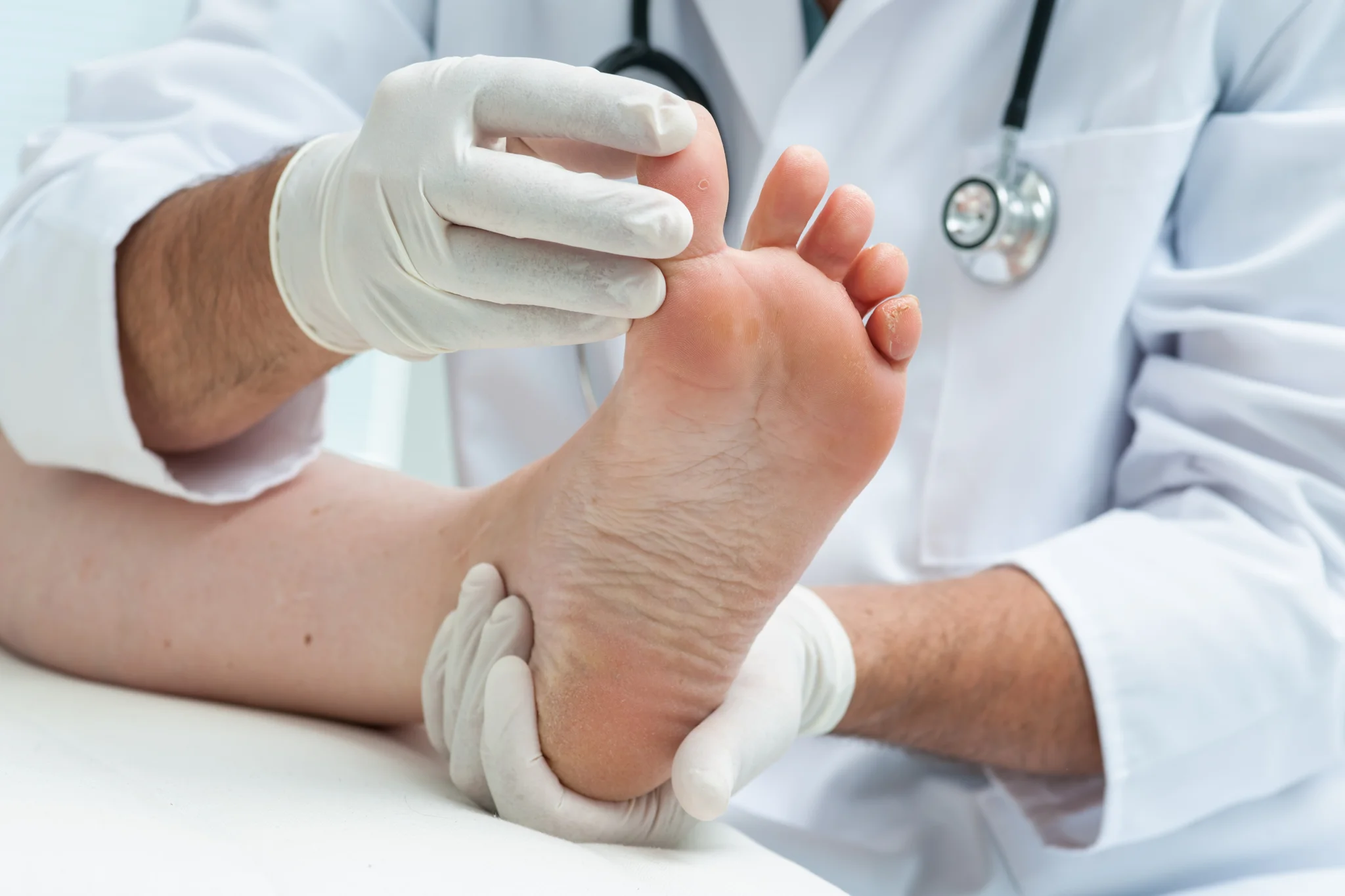
Most foot injuries do not happen by accident. They happen because the same weak spot keeps absorbing the same pressure until it gives out again. If you have typed “foot clinic Calgary near me” after your third rolled ankle this year, the pattern is not random. An expert podiatry team will not simply focus on alleviating the pain experienced today. They will go deep into the underlying issue that causes the recurring problems.
Why The Same Injury Keeps Coming Back
Reinjury is usually a sign that the original problem never fully healed or that something in your gait, footwear or training routine is putting stress in the wrong place. A Calgary foot clinic approaches this differently from a quick fix. The purpose here is not just to treat the injury and send you back, but to discover what caused it and to fix the problem so that it does not keep coming back. The most common causes for repeated injuries are-
● Muscle imbalances that force certain tendons or joints to overcompensate.
● Improper footwear that fails to support your specific foot shape.
● Incomplete rehabilitation after a previous sprain or fracture.
● Poor biomechanics, including overpronation or a high arch.
● Returning to activity too soon, before the tissue has properly rebuilt its strength.
A Real Assessment, Not a Guess
Prevention starts with understanding how you actually move. Clinics use gait analysis, footwear evaluation and physical testing to map out exactly where the stress in your body is landing. This matters because two people with an identical ankle sprain can have completely different reasons for it happening, and treating them the same way rarely works long term. During an assessment, a podiatrist typically looks at-
● How your foot strikes the ground during walking or running.
● Joint flexibility and range of motion.
● Muscle strength around the ankle, arch and calf.
● Wear patterns on your current shoes.
● Any history of past sprains, fractures or chronic pain.
This kind of detail lets the clinic build a plan around your actual foot, not a generic checklist.
Building a Plan That Actually Holds Up
Once the cause is identified, treatment shifts toward correction and reinforcement rather than temporary relief. This might include targeted strengthening exercises, custom orthotics, taping techniques or a structured return-to-activity timeline that respects how tissue actually heals. For example, athletes recovering from repeated stress fractures often need a slower reintroduction to impact activity than they expect, along with strength work that specifically targets the muscles that failed to support them the first time.
Footwear guidance plays a bigger role here than most people realize. Shoes that do not match your arch type or activity level undo months of rehab work. This is why many clinics review your regular footwear as part of ongoing care rather than a one-time comment.
Staying Ahead Of The Next Injury
Long-term prevention also depends on what happens between appointments. Clinics often recommend
● Warming up properly before physical activity.
● Rotate footwear rather than relying on one pair for everything.
● Scheduling periodic check-ins even after pain resolves.
● Pay attention to early warning signs like stiffness or mild swelling.
None of this is complicated, but consistency is what separates people who fully recover from those who end up back in the waiting room within a year.
Conclusion
Recurring foot injuries are frustrating, but they are rarely inevitable. With a proper assessment, a corrective plan and attentive follow-up, a Calgary foot clinic like Fabulous Foot Care can help you break the cycle instead of managing it over and over. The right care does not just treat the pain in front of you. It treats the pattern behind it, so your feet can finally keep up with you.










.webp)