
 Sign up with Google
 Sign in with Zoho

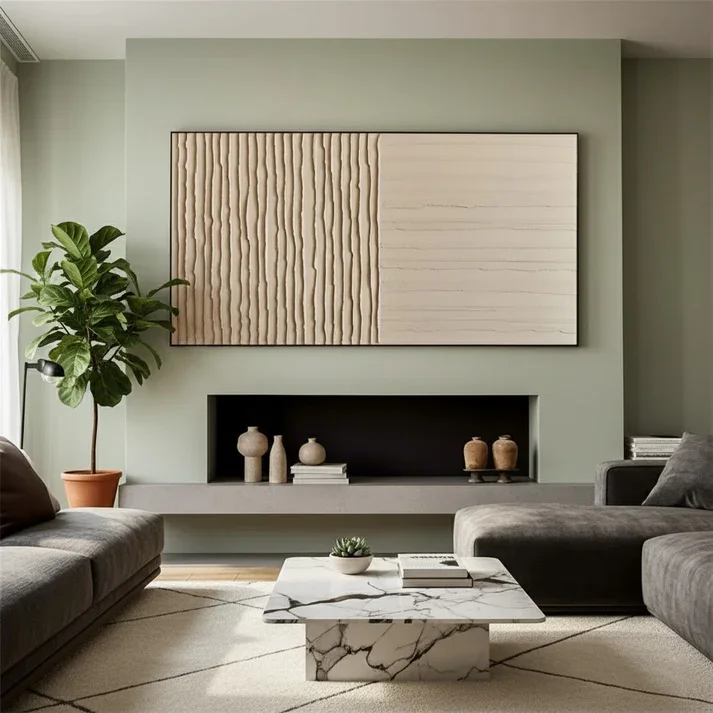
Minimalist interiors are often associated with clean lines, neutral colors, uncluttered spaces, and carefully selected furnishings. But minimalism does not have to mean a room feels empty or cold.
The right artwork can introduce warmth, depth, and personality while preserving the simplicity of the space.
Combining organic forms, subtle colors, tactile surfaces, and minimalist compositions, Wabi-Sabi artwork can add visual depth without overwhelming a modern interior.
Understanding the Wabi-Sabi Aesthetic
Wabi-Sabi is rooted in a Japanese aesthetic philosophy that embraces imperfection, impermanence, simplicity, and incompleteness.
In art and interiors, this philosophy can be expressed through natural textures, irregular forms, understated colors, handcrafted surfaces, and an appreciation for materials that feel authentic.
Rather than seeking perfect symmetry or flawless uniformity, Wabi-Sabi encourages appreciation of subtle variation.
Artiquo's collection describes Wabi-Sabi wall art as a combination of organic shapes, natural textures, subtle beauty, and neutral-toned compositions.
Why Texture Matters in Minimalist Design
Minimalist rooms often use fewer decorative objects.
This means the objects that are present become more important.
A completely flat artwork may provide color, but a textured artwork can provide both color and physical-looking depth.
Texture allows light and shadow to interact with the artwork.
Depending on the time of day and lighting conditions, the same piece can appear slightly different.
This makes textured artwork particularly effective in minimalist rooms where there may be fewer visual elements.
Wabi-Sabi Creates Depth Without Clutter
One of the challenges of minimalist decorating is adding personality without creating clutter.
Wabi-Sabi offers a solution.
Instead of introducing multiple decorative accessories, you can use one textured artwork as the primary visual feature.
For example, a neutral living room with:
- A simple sofa
- Natural wood furniture
- A neutral rug
- Soft lighting
- One large Wabi-Sabi artwork
can feel sophisticated without appearing overdecorated.
The artwork provides the texture and visual interest that the room needs.
Natural Textures Complement Modern Furniture
Modern furniture often features smooth surfaces, straight edges, glass, metal, and polished finishes.
While these materials can look elegant, too many smooth surfaces may make a room feel sterile.
Textured Wabi-Sabi artwork introduces contrast.
A rough or layered artistic surface can soften the appearance of sleek furniture.
Try pairing textured artwork with:
Natural wood: Adds warmth.
Linen: Introduces softness.
Stone: Reinforces an organic aesthetic.
Ceramics: Adds handcrafted character.
Bouclé or textured upholstery: Creates additional tactile depth.
The result is a layered interior where simplicity does not mean a lack of character.
Neutral Colors Make Wabi-Sabi Easy to Style
Wabi-Sabi artwork often works with neutral and earthy palettes.
Common colors include beige, cream, off-white, taupe, brown, grey, and muted charcoal.
These shades can work across many interior styles because they do not compete heavily with furniture or architectural details.
A neutral Wabi-Sabi artwork can therefore remain relevant even if you change other elements of the room later.
Create a Focal Point With Oversized Art
Minimalist interiors can benefit from scale.
Instead of using several small decorative pieces, consider one large artwork.
An oversized Wabi-Sabi painting can become the focal point of a living room, bedroom, lobby, or office while maintaining a restrained aesthetic.
Large artwork is particularly effective on walls that might otherwise feel empty.
The key is to give the artwork enough surrounding space.
Use Sets for Balanced Arrangements
A single artwork is not always the best solution.
For wider furniture arrangements, a coordinated set can create balance.
Artiquo's Wabi-Sabi collection includes sets of two and three, providing options for creating a more structured wall arrangement.
A pair can work well above a sofa or console, while a three-piece arrangement can create a wider visual composition.
When using multiple pieces, maintain consistent spacing and consider the overall width of the furniture underneath.
Wabi-Sabi Wall Art for Japandi Homes
Japandi interiors are an especially natural match for Wabi-Sabi artwork.
Both design philosophies emphasize simplicity and natural materials.
A Japandi room might combine:
- Light wood
- Neutral upholstery
- Minimal furniture
- Natural textiles
- Indoor plants
- Soft lighting
- Textured artwork
A Wabi-Sabi piece can provide the artistic focal point while maintaining the room's quiet character.
Artiquo's recent content specifically identifies its Wabi-Sabi collection as suitable for Japandi and Wabi-Sabi interiors, particularly where muted colors and textured surfaces are desired.
Add Warmth to White Interiors
White walls and furniture can create a beautiful minimalist environment, but an entirely white room can sometimes lack warmth.
Textured Wabi-Sabi artwork can introduce subtle variations without abandoning the neutral palette.
Consider artwork featuring:
- Cream
- Sand
- Beige
- Soft brown
- Warm grey
- Natural plaster-like textures
These tones can make a white interior feel more inviting.
Use Wabi-Sabi Art in Commercial Interiors
Wabi-Sabi wall art is not limited to residential spaces.
The same aesthetic can work in commercial interiors such as:
- Boutique hotels
- Restaurants
- Wellness studios
- Spas
- Corporate offices
- Reception areas
- Design studios
- Luxury retail spaces
These environments often benefit from a calm and sophisticated visual identity.
A large textured artwork can reinforce that atmosphere without relying on loud branding or excessive decoration.
Choose the Right Frame
The frame can influence how the artwork interacts with the room.
For minimalist interiors, simple frame options generally work well.
Depending on the artwork and interior, consider:
- Natural wood
- Black
- White
- Silver
- Unframed or rolled canvas
Artiquo's individual Wabi-Sabi artwork listings provide several frame-style options, including black, silver, white, wood, and rolled canvas.
Choose a frame that supports the artwork rather than competing with it.
Pay Attention to Negative Space
Negative space is an important part of minimalist design.
Do not feel obligated to fill every empty wall.
The empty space surrounding a Wabi-Sabi artwork can actually make the artwork more noticeable.
A large piece with generous space around it can create a sense of calm and intentionality.
This is one reason Wabi-Sabi art works so naturally with minimalist interiors: both approaches appreciate restraint.
Layer Texture Throughout the Room
Although the artwork may be the focal point, the surrounding materials can reinforce the aesthetic.
For example, combine a textured Wabi-Sabi painting with:
- A linen sofa
- A wool rug
- A wooden coffee table
- A ceramic vase
- Natural curtains
- Soft lighting
The objective is to create a room where different textures complement each other.
Avoid using too many competing patterns.
The beauty of this approach comes from subtle variation rather than visual noise.
Wabi-Sabi Is About More Than Decoration
The appeal of Wabi-Sabi artwork extends beyond its appearance.
The philosophy encourages appreciation for simplicity, imperfection, natural processes, and the passage of time.
That makes it particularly relevant to modern interiors where people increasingly want their homes to feel calm rather than overly designed.
Instead of decorating simply to fill empty walls, Wabi-Sabi encourages a more intentional approach.
Choose fewer pieces.
Choose pieces with character.
Give each artwork enough space.
Allow materials and textures to become part of the visual experience.
How to Build a Wabi-Sabi-Inspired Interior
If you want to introduce the aesthetic throughout a room, start with the basics.
Step 1: Establish a Neutral Palette
Use warm whites, beige, taupe, soft grey, and earthy tones as the foundation.
Step 2: Choose Natural Materials
Introduce wood, stone, linen, ceramics, and other organic-looking materials.
Step 3: Keep Furniture Simple
Choose clean-lined furniture without excessive ornamentation.
Step 4: Add One Strong Artwork
Use textured Wabi-Sabi wall art as the visual focal point.
Step 5: Introduce Soft Lighting
Warm, indirect lighting can emphasize textures and create a more relaxing atmosphere.
Step 6: Remove Unnecessary Decor
Allow the room to breathe.
Minimalism works best when every object has a purpose.
Final Thoughts
Textured Wabi-Sabi wall art offers a powerful way to add personality to minimalist interiors without sacrificing simplicity.
Its neutral colors, organic forms, tactile surfaces, and understated character can complement modern furniture while adding warmth and visual depth.
Whether you choose one oversized artwork, a coordinated set, or a subtle piece for a bedroom or office, Wabi-Sabi art can become an important part of a thoughtfully designed interior.
Artiquo's Wabi-Sabi collection brings together textured abstract artwork, neutral compositions, minimalist designs, and handcrafted pieces designed around the beauty of simplicity.
In a world filled with visual noise, Wabi-Sabi wall art offers another approach: fewer elements, more texture, and a greater appreciation for the quiet beauty of an intentionally designed space.












.webp)