Sign up with Google
 Sign in with Zoho

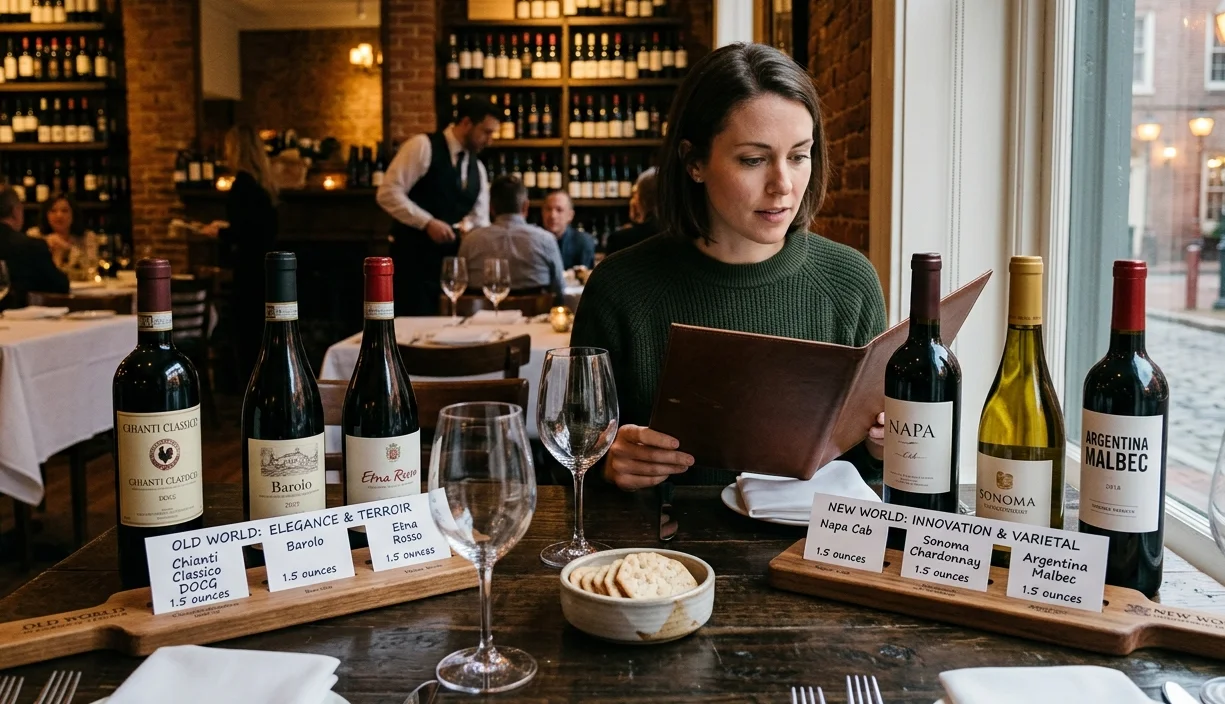
For anyone scanning a comprehensive wine menu, the options can feel beautifully overwhelming. You’ll find bottles categorized not just by color or grape, but by a deeper, philosophical dividing line: Old World versus New World. This distinction is the ultimate foundation of wine education, shaping everything from how the grapes are grown to the final flavors lingering in your glass. Whether you are expanding your personal collection or enjoying a curated flight at a Luxury Hotel in Philadelphia, understanding this global wine divide is the key to identifying exactly what styles your palate prefers.
Here is a simple, expert breakdown of the two worlds of wine.
1. The Geographic Boundary
The easiest way to separate the two worlds is simply by looking at a map.
- The Old World: This refers to the traditional birthplaces of wine primarily Europe and parts of the Mediterranean and Middle East. Think Italy, France, Spain, Portugal, Germany, and Greece. These are regions that have been cultivating vines and perfecting winemaking traditions for thousands of years.
- The New World: This encompasses every country that adopted winemaking practices much later, often imported by European immigrants and explorers. This includes the United States (Napa Valley, Oregon), South America (Argentina, Chile), Australia, New Zealand, and South Africa.
2. Tradition vs. Technology (The Philosophy)
The core difference between the two styles isn't just geography; it's a difference in mindset and law.
- Old World Focus (Terroir and Tradition): Old World winemakers are deeply bound by history and strict government regulations. They believe the winemaker's job is to step back and let the terroir the unique combination of soil, climate, and topography speak through the grape. Because of this, European wines are almost always named after the region rather than the grape variety (e.g., Bordeaux, Chianti, Chablis).
- New World Focus (Innovation and Varietal): New World winemakers are the rebels of the industry. Operating with fewer legal restrictions, they use cutting-edge technology, scientific data, and creative blending techniques to manipulate and optimize the wine. New World bottles proudly display the grape name on the front label (e.g., Cabernet Sauvignon, Chardonnay, Malbec) making them highly approachable for consumers.
3. The Flavor Profiles: Earth vs. Fruit
Because of differences in climate and aging philosophies, the two worlds treat your taste buds to entirely different flavor structures:
Finding Your Signature Style
There is no "better" world when it comes to wine; there is only the world that matches your current mood or meal. If you are sitting down to a rich, rustic mushroom risotto or an authentic Italian pasta dish, the high acidity and earthy complexity of an Old World Chianti is a flawless match. If you are fire-grilling a steak or relaxing on a sunny patio, the bold, jammy fruit of a New World Californian Cabernet or an Australian Shiraz will shine spectacularly.
The next time you find yourself browsing a world-class cellar, put this framework to the test. Relaxing in an intimate dining room or treating yourself to an elegant getaway at a Luxury Hotel in Philadelphia gives you the perfect canvas to contrast these global styles, helping you appreciate the diverse artistry poured into every bottle.