Sign up with Google
 Sign in with Zoho

The global flower industry often leans on methods that quietly damage the planet. Consider all that plastic wrapping and those chemical sprays meant to keep blooms looking fresh longer. Real creativity in arranging flowers calls for a different path. One that respects the land and works with what each season naturally offers. Some florists are lowering their impact by using local materials and kinder growing methods. This adds meaning to basic blooms. This approach benefits the environment without forcing compliance. Not every establishment has converted. But they show that beauty and duty can live together.
Sourcing Seasonal Blooms from Trusted Local Growers
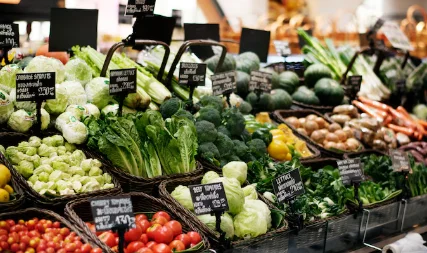
Sustainability starts right in the ground where those flowers take root. Thoughtful floral artists form close ties with farmers in their area who skip the harsh chemicals and artificial boosts. This link means each flower reflects the actual time of year. They reach the workspace lively and ready. Picking plants that belong in the region helps highlight its unique charm. It also backs up the variety of life around there.
Going with nearby flowers cuts way back on the gas used for hauling them across countries or oceans. Flowers shipped from far away often sit in cooled trucks or planes for long stretches. That whole journey eats up resources. Local choices avoid much of that waste. The designs stay bright longer on their own without extra treatments to extend life.
Teaming up with farms close by brings a real sense of the changing seasons to the work. Surprises accompany each harvest, and artists adapt to them. They draw fresh ideas from whatever shows up right then. This way of working moves past strict rules about looks. It opens space for designs that feel alive and true to the moment the earth gives.
Eliminating Harmful Single-Use Plastics Entirely
Many classic flower setups still depend on those green foam blocks to hold stems steady and supply water. Over time, this stuff breaks down into tiny particles. These spread through rivers and oceans and create risks for animals and plants. Forward-thinking workshops have moved on to older, simpler tools. They use metal holders that can be cleaned and reused. Others rely on wire frames or smooth stones gathered from nature.
Such methods allow more room for stems to settle naturally. They drink water freely, which leads to arrangements that curve and flow like growth in open fields. Stepping away from factory-made supports often results in work that feels more genuine and captivating to look at.
Eco-friendly wrapping follows the same spirit. Options include plain paper that has not been treated. Ribbons made from soft cotton or simple twine add a lovely touch. People enjoy getting flowers presented this way. Nothing ends up as trash that sits around forever. The whole package returns to the soil without trouble.
Conscious Waste Management Protocols for Studios
A studio serious about green practices aims for almost no waste in its routines. Cut stems, leftover leaves, and blooms past their prime do not go to regular dumps. That would release gases that warm the air. Teams sort the plant material instead. They turn it into rich compost.
Similarly, saving water is as crucial in daily activities. Many catch rain in buckets to rinse out containers or water tougher plants. You observe how you utilize things every day and that reusing safe materials improves city supplies. Little habits build up over weeks and months. With larger sets at events the preparation involves how it all comes apart afterwards. Wooden pieces and metal parts are stored away carefully. They wait for the next project instead of becoming useless after one night. This thinking keeps beneficial supplies in play longer and avoids needless buildup of discards.
Educating Communities on Harmonious Botanical Art
Change spreads best when artists pass along what they know to others. In hands-on classes they show how a stem might bend on its own or how a petal softens over days. Sessions like these point out that true appeal lives in those small differences. Not in forced sameness from heavy treatments.
Guiding folks to build their pieces with kind tools helps them pick smarter when buying. Once they see the toll of distant flowers coming out of their natural time, they lean toward what grows near home. Over time, such guidance creates groups of enthusiasts. They care about both the look of the flowers and the well-being of the land.
If you’re looking to work with the best florist in Boca Raton, FL, who can create stunning arrangements that are made with this same level of environmental awareness, you can be sure that your gorgeous displays will help fund local conservation efforts. Opting for certified green designers ensures your event will immediately boost the health of local ecosystems.
Conclusion
So, sustainable floral art is more than just a passing fad. It retains the strength of creative work, and is a real step in the salvation of the world. Designers that run from toxic foams look at surrounding sources and treat remnants thoughtfully. So, each bouquet created is a celebration of the relationship between living beings. It is a reminder of the delicate balance of nature. The entire industry relies on honest shoppers making smarter decisions. Plucking petals at the correct time and ordering them with robust tools preserves their beauty. Concepts that blend with nature are most beautiful.