Sign up with Google
 Sign in with Zoho

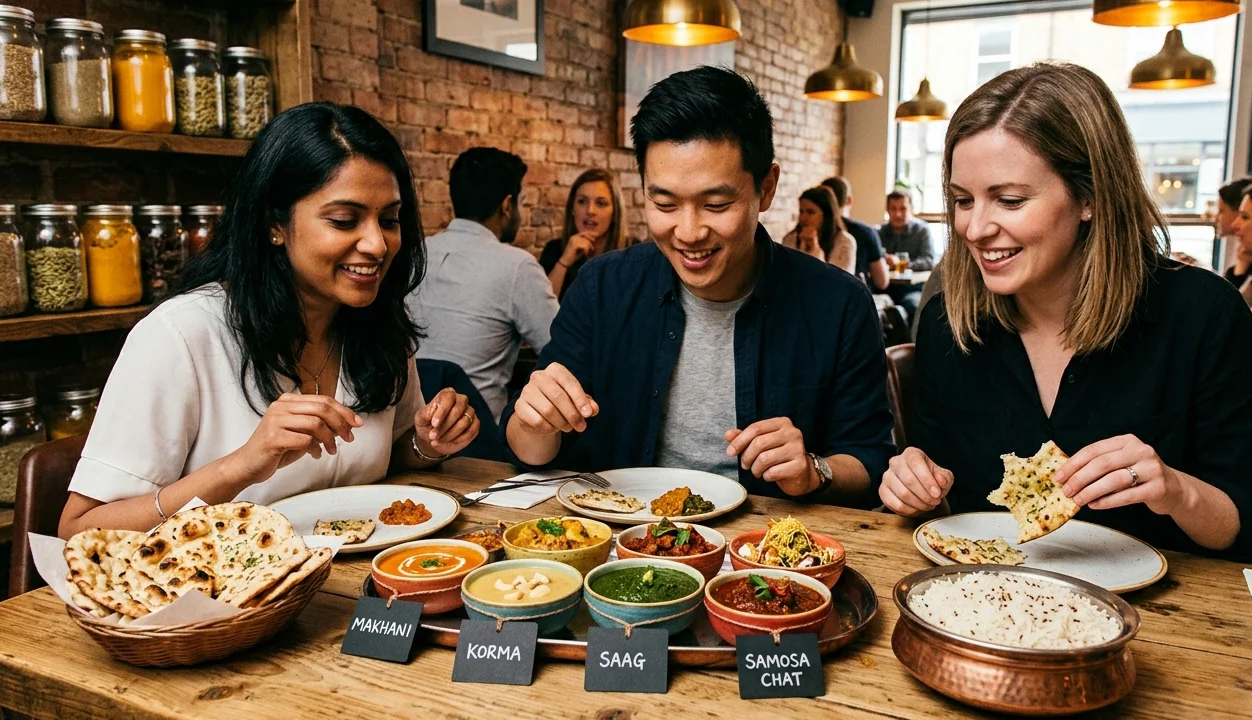
Walking into an Indian restaurant for the first time can feel a bit like stepping into a beautiful, unfamiliar world. The dining room smells incredible an intoxicating blend of roasted cumin, sweet cardamom, and smoky clay ovens but then you open the menu. Suddenly, you are confronted with a sprawling list of words like Makhani, Korma, Saag, and Vindaloo. If you don't know your way around these terms, ordering can feel like a guessing game, often leading people to panic-order the only dish they recognize: Chicken Tikka Masala. While we love a classic, Indian cuisine has so much more to offer. At The Tikka Masala, we believe that a menu shouldn't be a barrier; it should be a map to an unforgettable culinary adventure. Let’s decode the basics together and show you why exploring our menu makes us the best Indian restaurant in New Jersey.
1. Crack the Code: Understanding the Sauce Bases
Most Indian main courses are categorized by their gravy or preparation style. Once you understand what these baseline words mean, you can predict exactly how a dish will taste, regardless of whether you choose chicken, lamb, paneer, or vegetables as your protein.
- Makhani (The Crowd Pleaser): If a dish is labeled Makhani (like Paneer Makhani or Butter Chicken), it means it is cooked in a luxurious, velvety sauce made from pureed tomatoes, butter, and heavy cream, flavored gently with fenugreek leaves. It is mild, sweet, and incredibly comforting.
- Korma (The Royal Treatment): Originating from imperial Mughal kitchens, a Korma features a rich, pale sauce built on a foundation of yogurt, cream, and a paste made from blanched almonds or cashews. It is aromatic, nutty, and distinctly mild.
- Saag or Palak (The Green Powerhouse): Palak refers specifically to spinach, while Saag can mean a blend of leafy greens. These dishes are slow-simmered, finely pureed, and cooked with garlic and ginger. They are earthy, savory, and pack a massive nutritional punch.
- Vindaloo (The Firecracker): Tangy, sharp, and unapologetically spicy. Brought to India by Portuguese explorers, a true Vindaloo gets its iconic kick from a fiery paste of red chilies balanced by a sharp splash of vinegar and garlic.
2. Appetizer Staples: Look for the Crunch
Before you dive into the curries, your meal should always begin with a contrast of textures. Keep an eye out for these starter favorites:
- Samosa: The ultimate global comfort food. These are flaky, triangular pastry shells stuffed with a savory, spiced mixture of potatoes and green peas, fried until shatteringly crisp.
- Pakora: Think of these as Indian fritters. Fresh vegetables (like onions, spinach, or potatoes) are dipped in a light, gluten-free batter made from chickpea flour (besan) and deep-fried to perfection.
- Chaat: This is the umbrella term for Indian street food snacks. A great Chaat always plays with a wild combination of sweet tamarind chutney, spicy mint chutney, cool yogurt, and crunchy fried bits. It’s an absolute party for your taste buds.
3. Tandoori vs. Curry: The Heat Difference
Newcomers often assume that all Indian food is swimming in a heavy, liquid sauce. That’s where the Tandoor comes in.
If you see a section labeled Tandoori (like Chicken Tikka or Seekh Kebabs), it means the food is dry-rubbed in a yogurt-and-spice marinade and lowered on long iron skewers into our $480^\circ\text{C}$ ($900^\circ\text{F}$) clay oven. The result is intensely smoky, lean, grilled meat with beautifully charred edges completely separate from a saucy curry.
4. Breads and Grains: Your Edible Utensils
In an authentic Indian setting, forks and knives often take a backseat to fresh bread. You don't just eat your meal with bread; you use the bread to physically structure each bite.
- Naan: A soft, leavened flatbread made from white flour, slapped against the inside clay wall of the tandoor until it puffs up into an airy, pillowy cloud. It’s perfect for scooping up thicker, creamy sauces.
- Roti: A simpler, unleavened whole-wheat flatbread. It’s lighter, thinner, and ideal for wrapping around grilled tandoori meats or drier vegetable dishes.
- Basmati Rice: Never settle for generic white rice. Authentic Indian dining relies on long-grain Basmati, which is naturally fragrant. We often steam ours with whole cardamom pods, cloves, and cumin seeds to elevate the entire plate.
Order Like a Pro on Your Next Visit
The secret to a perfect Indian meal is balance. When you sit down, try not to order three dishes from the same category. Instead, mix a rich, creamy Makhani with a vibrant, herbaceous Saag, throw in a smoky Tandoori platter, and pass a basket of garlic naan around the table.
Now that you have the vocabulary, you hold the keys to the kitchen. Gather your favorite people, slide into a booth this weekend, and let our team guide you through a flavor journey that confidently proves why we are the best Indian restaurant in New Jersey.