Sign up with Google
 Sign in with Zoho

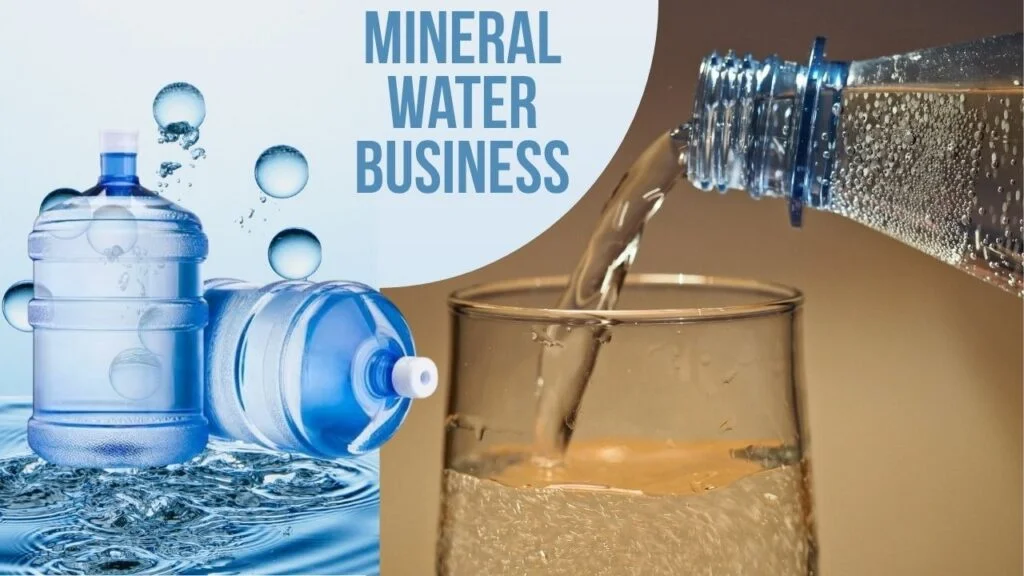
Safe and clean drinking water is now rapidly in demand in all cities and villages and in offices, restaurants, hotels, hospitals, schools and homes. This increasing demand is an opportunity for new entrepreneurs in the packaged drinking water business. For those who are thinking to make an entry in this line, Know about How to Start a Mineral Water Business: Complete Guide will make you able to take the right decisions in terms of investment, licensing, machinery, production, packing, and marketing.
Starting a mineral water plant is not as simple as putting up a water purification machine. You need a good business plan, quality testing, clean water source, appropriate packaging, regulatory approvals, trained staff, and a good distribution network. With the right management and quality bean, the business can be a sustainable source of income.
Understand the Business Model
Select the kind of packaged water business you want to run before you invest your money. You can begin with a small plant serving a local area with bottled and jarred water to customers in your vicinity, or you can develop a pan regional facility serving two or more cities.
Small bottles, medium bottles, big bottles and reusable water bottles for offices and homes are the regular products. Some companies cater to the wholesale market for hotels, restaurants, events and corporate offices.
Build your business model around your target customers, funds on hand, local competition and chances to distribute.
Conduct Market Research
Market research should be one of your first steps. Study the demand for packaged drinking water in your target area and identify existing competitors.
Find out:
- What brands are already popular?
- What bottle sizes are commonly purchased?
- What prices are customers willing to pay?
- Which areas have high demand?
- Who are your main competitors?
- Do offices and shops require regular water delivery?
- How strong is demand during summer and events?
This information can help you identify a suitable market position. Instead of competing only on price, you can focus on quality, reliable delivery, attractive packaging, or excellent customer service.
Prepare a Business Plan
A detailed business plan helps you estimate the amount of money required and understand how the business will operate. Your plan should include the expected cost of land or rent, water treatment equipment, bottles and packaging materials, licenses, testing, electricity, staff salaries, transportation, marketing, and working capital.
You should also estimate your expected production capacity and selling price. Calculate how many bottles or jars you need to sell each month to cover operating expenses and reach profitability.
Starting on a manageable scale can be useful if you are new to the industry. Once demand increases, production and distribution capacity can be expanded.
Choose the Right Location
Location is an important factor in a packaged drinking water business. Your facility should have sufficient space for water treatment, production, storage, packaging, finished products, and vehicle movement.
The location should also provide convenient access to roads so that products can be delivered efficiently. Availability of electricity and a suitable water source should also be considered.
Before selecting a water source, it is important to have the water tested by an appropriate laboratory. Water quality can significantly affect the treatment process and overall production cost.
Arrange Water Purification Equipment
Water purification is at the heart of the business. Depending on the quality of the source water, a treatment plant may use several processes.
Common equipment and processes can include:
- Raw water storage tanks
- Filtration systems
- Activated carbon filtration
- Reverse osmosis systems
- UV treatment
- Ozone treatment
- Mineral adjustment or treatment systems
- Bottle or jar washing equipment
- Filling and sealing machines
- Labeling machines
- Packaging equipment
The exact treatment process should be designed according to the characteristics of your source water and applicable quality requirements. Buying equipment without first testing the water can result in unnecessary expenses or an unsuitable treatment system.
Obtain Required Licenses and Approvals
A packaged drinking water business must comply with applicable laws and quality standards. The exact approvals depend on your location, business structure, water source, plant size, and type of product.
In India, entrepreneurs should carefully check the current requirements of relevant authorities before beginning commercial production. Depending on the business, requirements may involve business registration, local permissions, food-related registrations or licenses, water-source permissions, pollution-control requirements, and applicable product quality certifications or standards.
Do not start commercial production simply because the plant and machinery are ready. Confirm that all mandatory approvals and quality requirements have been fulfilled.
Focus on Water Quality and Hygiene
Consumer trust is one of the most important assets in the packaged water industry. A business can lose customers quickly if there are concerns about water quality or hygiene.
Maintain strict standards throughout the production process. The water should be regularly tested according to applicable requirements, while equipment, storage tanks, bottles, jars, and production areas should be cleaned and maintained properly.
Employees should follow appropriate hygiene practices, including clean protective clothing and proper handling procedures. Keep records of testing, cleaning, maintenance, and production activities so that quality-control processes can be monitored consistently.
Select Suitable Packaging
Packaging protects the product and also represents your brand. Choose packaging that is appropriate for the product, safe for drinking water, durable during transportation, and compliant with applicable regulations.
Your label should contain the information required by law, such as product details, quantity, manufacturer information, batch or lot information, dates, and other applicable declarations.
An attractive and professional label can also help your brand stand out from competitors. However, packaging should never compromise product safety or regulatory compliance.
Build a Distribution Network
Even high-quality water will not generate strong sales without an effective distribution system. You can sell through local retailers, supermarkets, restaurants, hotels, offices, gyms, hospitals, schools, event organizers, and direct household delivery.
For large water jars, subscription-based home and office delivery can be particularly useful. Customers may prefer a regular delivery schedule instead of purchasing jars whenever they run out.
Develop relationships with retailers and distributors and ensure that deliveries are reliable. A strong local distribution network can become one of your biggest competitive advantages.
Create a Strong Brand
Branding is another important part of starting a mineral water business. Choose a simple, memorable brand name and create professional packaging that communicates cleanliness and reliability.
Your marketing strategy can include social media, Google Business Profile, local advertising, banners, retailer promotions, introductory offers, and direct sales.
You can also create separate packages for different customer groups. For example, offices may be interested in regular jar subscriptions, while restaurants and events may require bulk bottle supplies.
Estimate Profitability Carefully
Profitability depends on production volume, selling price, raw-material costs, packaging expenses, electricity, labor, transportation, maintenance, taxes, marketing, and distribution margins.
Avoid assuming that every bottle sold represents profit. Calculate the complete cost per unit before setting your selling price.
A simple calculation can be:
Profit = Total Sales Revenue − Total Business Expenses
Track your expenses regularly and identify areas where efficiency can be improved. Reducing unnecessary packaging waste, optimizing delivery routes, maintaining equipment, and managing inventory effectively can improve overall margins.
Common Challenges
Like any business, packaged drinking water has challenges. Competition can be intense, especially in urban markets where customers have many brands to choose from.
Other challenges may include fluctuating packaging costs, transportation expenses, equipment maintenance, regulatory compliance, water-source issues, and maintaining consistent product quality.
The best way to handle these challenges is to build the business around quality, compliance, efficient operations, and dependable customer service rather than competing solely through low prices.
Conclusion
Learning How to Start a Mineral Water Business: Complete Guide is the first step toward understanding this potentially profitable industry. A successful business requires careful market research, a realistic business plan, suitable purification equipment, reliable water sources, proper licenses and approvals, hygienic production, quality packaging, and an efficient distribution network.
If you are planning to start small, focus on building trust in your local market first. Deliver consistently safe, high-quality drinking water and provide dependable customer service. As your customer base grows, you can expand your production capacity, distribution area, and product range. With proper planning and strong quality control, a mineral water business can develop into a long-term and scalable venture.