Sign up with Google
 Sign in with Zoho

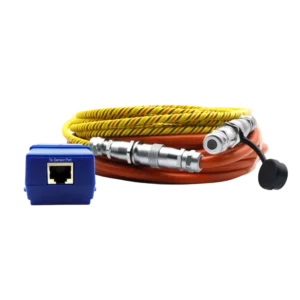
Water could also become a significant hazard in regions that use fragile equipment, stored material, or environmental controls. Water leakage in a cooling system, pipe, or around equipment would not be detected unless there was some sort of damage first. The purpose of leak detection devices is to add an extra layer of precaution to the region by detecting the presence of water and making sure that the people in charge act immediately so that small problems do not escalate.
Leak Detection Devices can be used in server rooms, data centers, laboratories, cold storage facilities, utility rooms, business properties, and industries. Such equipment can be installed in locations that are prone to water infiltration, such as air conditioning units, pipes, raised floors, pumps, and others where water could reach important assets. Rope-type water detectors can be beneficial when detection should happen across the path since they have more coverage compared to just one contact point.
The initial stage in creating an installation that works efficiently includes a risk assessment. The areas where water may come from and the items that are more at risk in case of a leak need to be assessed before installing the sensors. Sensors should be positioned near the places that might be problematic, and cables and mounting of the sensors have to be done in such a way that maintenance would be feasible. Tests should be conducted post-installation to make sure that the sensors and their connection, as well as the alarm procedure, work properly.
It becomes even more valuable to detect any leaks in the system when the detection process is linked to an alerting system. The monitoring service can provide you with an alert whenever it detects water, even when you are not at the place where you monitor. Alerts can be generated via email, SMS, or audible and visual alarms, depending on your monitoring solution.
Another point worth considering is integration with environmental monitoring. The water detector can be integrated with temperature, humidity, airflow, power, smoke detectors, and others via compatible monitoring devices. Software can be used for visualization of all interconnected devices and sites. This approach will allow better understanding of whether the leak is a separate issue or belongs to a larger environmental situation in case a facility requires constant monitoring of several parameters.
Preventive maintenance should still be part of the solution. Make sure sensor placement is easy to access, check device connections, check alert thresholds, and make sure that there are people responsible for dealing with alarms who understand what to do in case of alarms. Historical data about events can help in identifying problem spots and improving the preventive maintenance plan.
Personnel should also be trained. They should know what the alarm means, who will receive it, and what to do in response to the alarm. The system will be more efficient if people know how to use it.
Finally, the use of leak detection devices is not limited to merely an alarm system but rather an early warning device. The application of proper positioning, notification, testing, and monitoring can result in increased capabilities when responding to any water issues that may arise. Proper planning will allow for a change from being reactive when discovering the damage to being proactive in identifying the issue before anything occurs.
Brian Brown is the author of this article. For more details about environmental monitoring sensors in Windsor, please visit our website: enviromon.net.