Sign up with Google
 Sign in with Zoho
Streetwear has always thrived on authenticity — the sense that a brand grew out of real friendships, real neighborhoods, and real culture rather than a boardroom strategy. Few labels embody that origin story as vividly as Hellstar Clothing, a Los Angeles-based streetwear brand that has gone from a small passion project among childhood friends to one of the most talked-about names in modern fashion. With its dark, cosmic aesthetic, spiritually charged messaging, and a rabid fan base that includes musicians, athletes, and everyday streetwear collectors, Hellstar has carved out a distinct lane in an industry crowded with copycats.
The Origin Story
Hellstar's story begins in 2010, when co-founders Sean "Seanie" Holland and Joseph "Juice" Pendleton first met as freshmen at Burbank High School. Seanie was already immersed in the streetwear culture that was buzzing along Fairfax Avenue at the time, while Juice had built up his own collection of pieces from established labels. The two connected instantly over their shared love of fashion, and that friendship would eventually become the foundation of a brand.
Hellstar was officially founded in Los Angeles in 2020, with Sean Holland launching the label around a specific idea: clothing that carries genuine spiritual weight rather than being just another logo-driven trend. The name itself reflects that ambition. Rather than glorifying darkness for shock value, the brand's name carries a message about shining through difficulty, emphasizing resilience and positivity rooted in Holland's own upbringing. It's a theme that runs through nearly every collection — clothing as armor, as a reminder that light can be found even in "hell on Earth."
Interestingly, fashion wasn't Seanie's first attempt at building something of his own. Before Hellstar, he had already tried launching two separate clothing lines that didn't succeed, but rather than giving up, he used those failures as fuel to keep pushing toward something bigger. That persistence is part of why Hellstar's story resonates with so many young creatives who see the brand not just as clothing, but as proof that repeated failure doesn't have to be the end of the road.
Building the Aesthetic
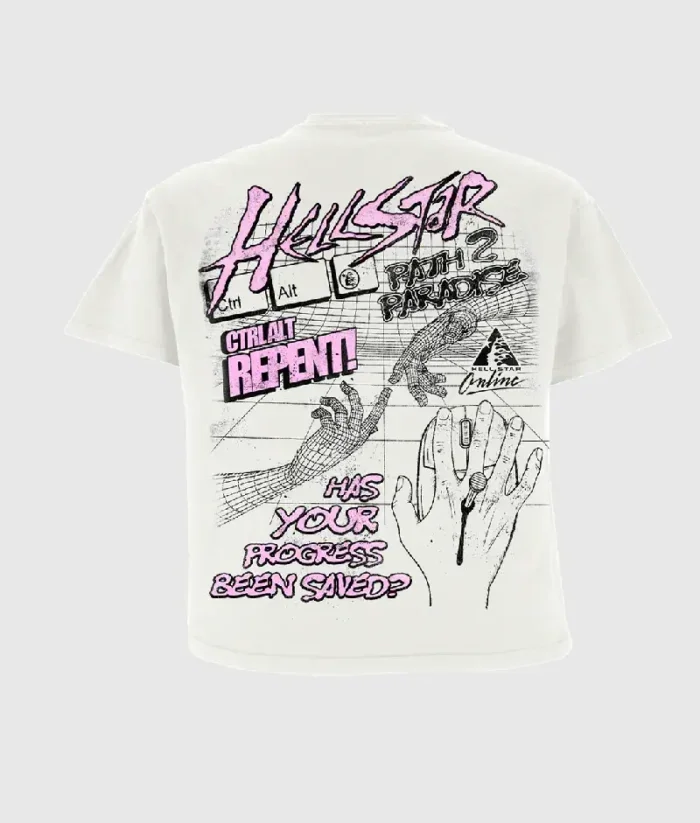
From the beginning, Hellstar set out to distinguish itself from the flood of generic streetwear brands saturating the market. The brand's visual identity is often described as "dark spiritual streetwear," drawing heavily on cosmic imagery, ancient symbolism, flames, and raw human emotion, with a color palette that leans toward black, white, and washed tones paired with bold, hand-drawn graphics on heavyweight cotton. This isn't a brand chasing quick trends — the emphasis on heavyweight, durable fabric signals an intention for the clothing to actually be worn and lived in, not simply photographed once and discarded.
Other retailers describe a similar creative direction. Founded by a trio of high school friends in 2020, Hellstar brings together sports, punk, art, and streetwear influences, with a maximalist design language spanning incendiary graphics, graffiti-inspired elements, and explosive typefaces. That maximalism has since expanded into a full product ecosystem, moving well beyond basic T-shirts. Shoppers can now find flame-print T-shirts, logo-emblazoned hoodies, and sweatpants in washed-out finishes with graffiti-inspired motifs that complete the brand's contemporary punk-inspired loungewear rotation.
From Underground to Mainstream
Hellstar's growth has been closely tied to the music and entertainment world, and the brand has largely avoided the traditional route of paid celebrity endorsements. Instead, artists like Playboi Carti and Travis Scott were spotted wearing Hellstar pieces before the brand had achieved mainstream recognition, wearing the clothing because it felt authentic to their own creative identities rather than because of any sponsorship deal. That organic co-sign from respected figures in hip-hop culture gave Hellstar a credibility that money simply can't buy in the streetwear world, where audiences are quick to sniff out inauthenticity.
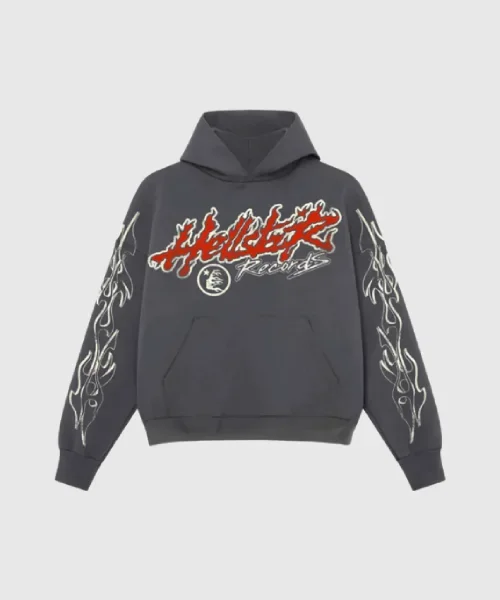
The turning point for the brand's cultural momentum came with a series of standout capsule releases. The October 2022 "Capsule Nine" drop, co-designed with the graphic collective Unathletic, is considered a defining moment for the label, featuring fan-favorite pieces like the Hellstar Records white tee and a red logo hoodie. The hype only intensified from there. The follow-up release, Capsule 10 in 2023, reportedly sold two million dollars worth of merchandise in just thirty minutes, a testament to how quickly the brand's demand had scaled. That kind of explosive, limited-run selling model has become a signature of Hellstar's business strategy — building scarcity and urgency the same way sneaker culture has done for decades.
More Than Just Clothing
What sets Hellstar apart from many of its streetwear peers is its attempt to build a broader cultural footprint beyond apparel. The brand has expanded into Hellstar Sports, an initiative launched by Holland and Pendleton rooted in their deep ties to Los Angeles's Burbank football scene, aiming to give back to the community through youth athletics. This move has connected the label to professional sports as well — NFL players such as Dorian Thompson-Robinson and Puka Nacua have been seen wearing the brand, further elevating its profile and appeal beyond the traditional streetwear crowd.
This blending of fashion, sport, faith, and community is central to how the founders talk about the brand's purpose. For Holland and Pendleton, Hellstar was never meant to be confined to urban, edgy design alone — the goal has always been to offer hope and inspiration, positioning the brand as more than fashion: a symbol of overcoming adversity and a pillar for young athletes and fans alike.
Premium Pricing and Collector Culture
Hellstar occupies a premium tier within streetwear pricing, and that positioning is deliberate. The brand justifies its price point through heavyweight fabric construction, detailed graphic work, limited production runs, and its growing cultural relevance, with pieces designed to hold long-term value both in wear and resale for serious collectors. This resale-driven model mirrors what has happened in the sneaker and hype-streetwear world more broadly, where limited drops create secondary markets that can sometimes exceed retail prices for the most sought-after pieces.