Sign up with Google
 Sign in with Zoho

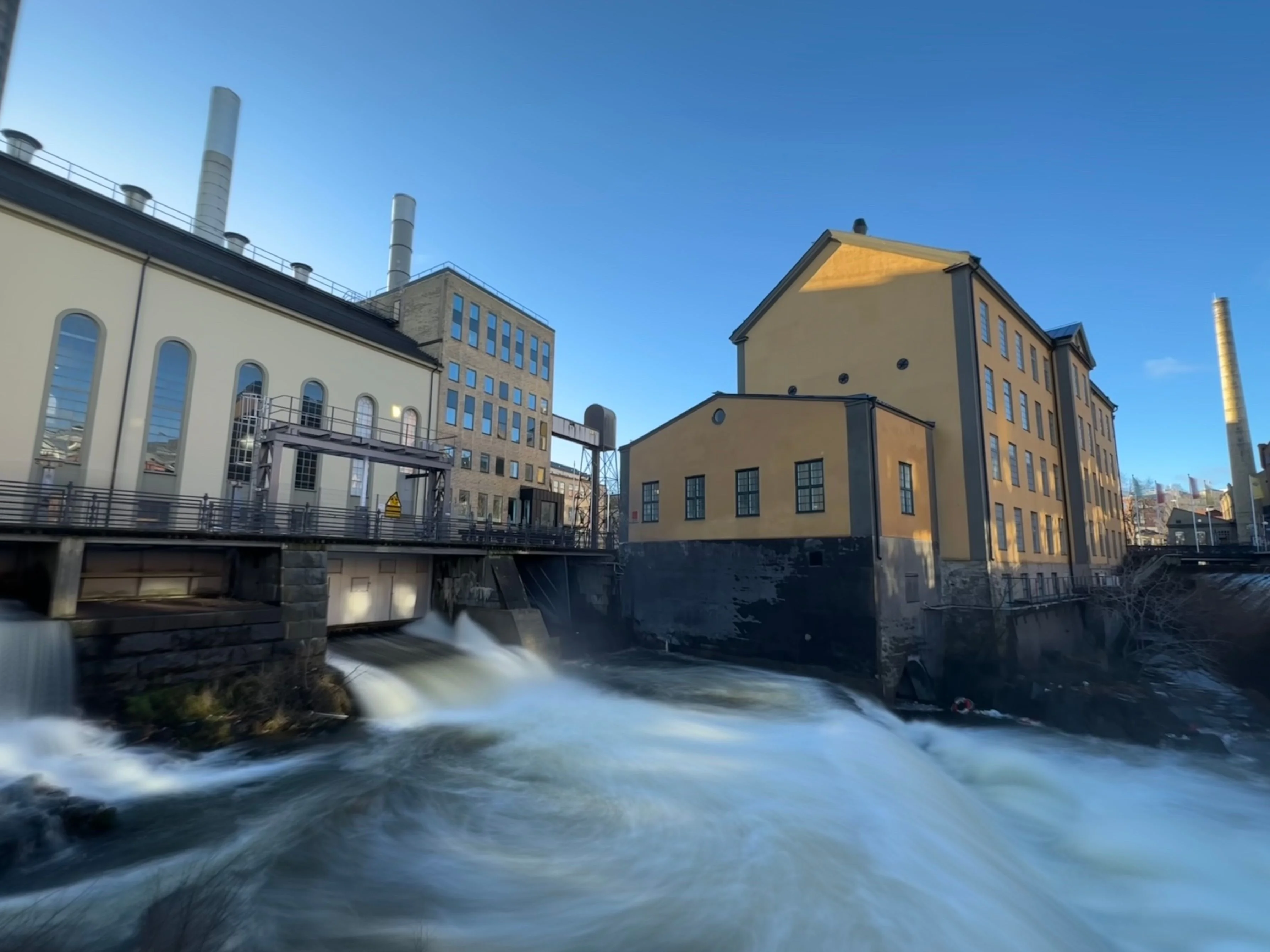
For most of us, we turn on the tap and running water comes out. Beyond that, we don’t really give too much thought to clean water. Everyday tasks such as washing, cleaning dishes and brushing our teeth depend on water, but some of the world’s most important industries also cannot function without water. However, you may also be surprised to learn that industrial water differs from the water found in our homes.
Why water quality matters
In developed countries, we’re fortunate enough to have clean water in our homes and workplaces. But unbeknownst to many, this isn’t the purest form of water. While residential water is clean enough to drink, it still contains tiny amounts of pathogens. Industrial water, on the other hand, is required to be the highest level of pure, free from even the smallest levels of contamination. Without ultrapure water, some of the world’s biggest industries wouldn’t be able to function as we know today.
Industries that need ultrapure water
Healthcare and Pharma
Healthcare is one of the biggest consumers of ultrapure water, and there are a few different uses for high purity water in the health world. For a start, water is a common ingredient in medicines, and obviously medicines need to be free from any form of contamination. As a result, regular tap water wouldn’t be suitable.
Microelectronics
Just as we use residential water to clean ourselves and our household items, industrial water is used for cleaning purposes too. A common example of this is in the microelectronics industry, where microchips are washed using ultrapure water. Water with even the smallest level of contaminants has the potential to ruin products.
Food & Beverage
While many tasks within the food & beverage industry can be completed with regular tap water, industrial water is sometimes required. Highly purified water is sometimes used to keep products consistent, while other times it’s used for hygiene reasons when being used to clean equipment and sterilise work surfaces.
Labs
Seeing as it’s common to find ultrapure water in healthcare and pharmaceutical settings, it probably comes as no surprise to learn that it’s also extremely common to find ultrapure water used in laboratories. Impurities found in regular water can skew test results, while industrial water delivers a higher degree of consistency. As is the case in other industries, laboratories will also use ultrapure water for sterilising equipment and cleaning purposes.
Final thoughts
The industries mentioned above are only a small selection of those that don’t just use industrial water, but rely on it. It’s also worth pointing out that while all of these industries use clean water, the purity that is required will differ depending on the task that it is required for. Sectors such as pharmaceuticals and scientific research require the highest standard of purified water, which you may see referred to as sterile water for injection, type 1 water or ultrapure water.