Sign up with Google
 Sign in with Zoho

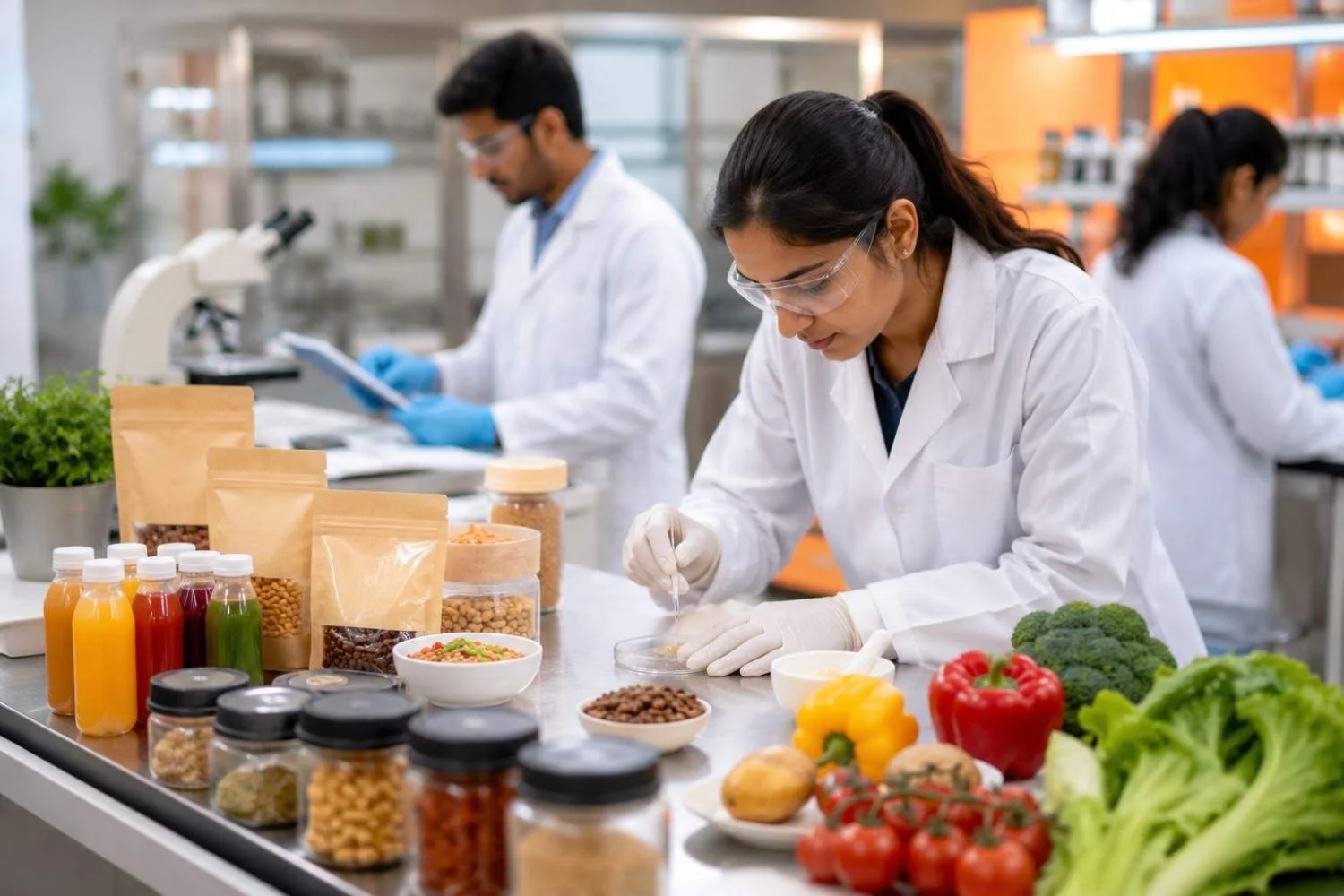
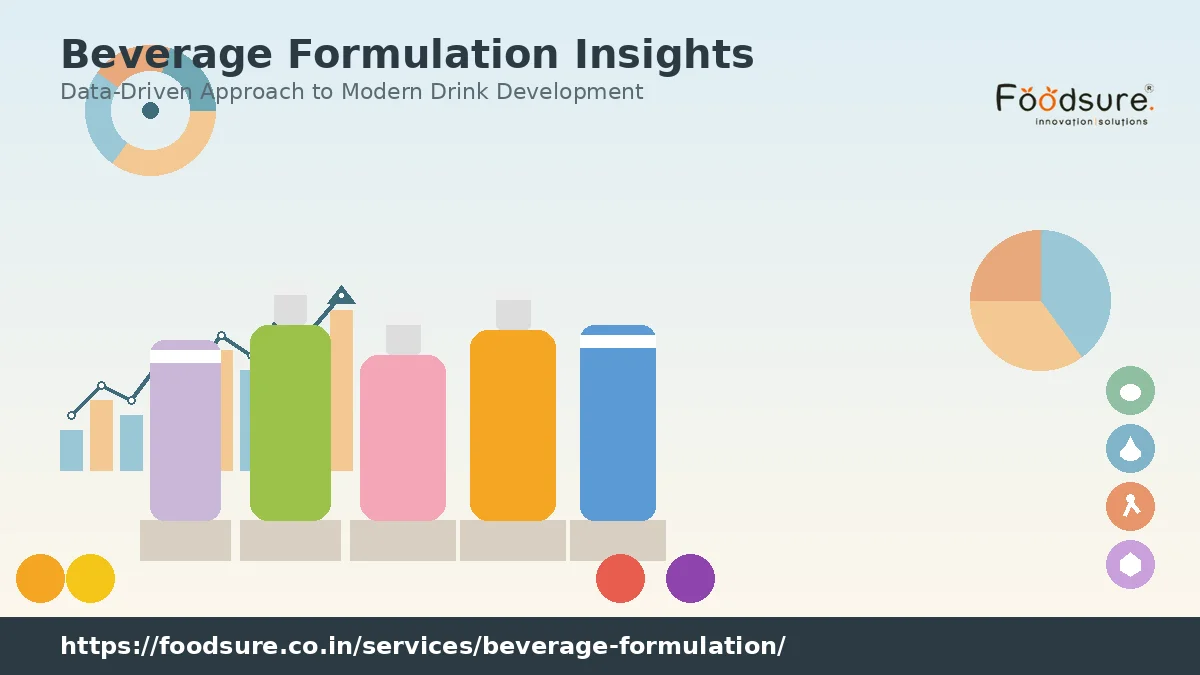
Every bottle, can, or carton on a store shelf started as an idea on a lab bench. Turning that idea into a safe, tasty, shelf-stable product is the job of Beverage Formulation — the science and art of blending ingredients, testing ratios, and refining a recipe until it's ready for commercial production. Whether you're a startup founder with a napkin sketch of a new energy drink or an established brand looking to reformulate for cleaner labels, understanding how this process works can save months of trial and error and thousands of dollars in wasted development. This article walks through what beverage formulation actually involves, why it matters, and how the right partner can take your concept from idea to shelf.
What Is Beverage Formulation?
At its core, Beverage Formulation is the process of scientifically designing a drink recipe so that it tastes right, performs consistently, meets regulatory requirements, and can be manufactured at scale. It's far more complex than simply mixing flavors together. A formulator has to balance taste, mouthfeel, color, aroma, shelf life, nutritional claims, and cost — all while making sure the final product behaves the same way in a 500-liter tank as it did in a 500-milliliter test batch.
This is where beverage recipe formulation becomes a distinct discipline within food science. It combines chemistry, sensory evaluation, and manufacturing know-how. A formulator has to understand how acids interact with proteins, how sweeteners affect viscosity, how preservatives behave at different pH levels, and how heat processing or cold-chain storage might change a product over its lifespan. Get any one of these variables wrong, and a promising recipe can fail on the shelf, whether through separation, flavor drift, microbial spoilage, or simple inconsistency between batches.
Why Proper Formulation Matters More Than Ever
Consumer expectations have shifted dramatically over the past decade. People want functional beverages with added vitamins, adaptogens, or protein; they want clean labels with recognizable ingredients; and they want consistent taste no matter where or when they buy the product. Meeting all of these demands at once requires disciplined beverage recipe development rather than guesswork.
Poor formulation doesn't just hurt taste — it can create real business risk. A drink that separates in the bottle, loses its fizz too quickly, or develops an off-flavor after a few weeks on the shelf can damage a brand's reputation permanently. Regulatory compliance adds another layer: nutritional labeling, allowable additive levels, and health claims all need to be verified during formulation, not discovered after a product has already launched. This is why so many entrepreneurs and even large beverage companies choose to work with specialists rather than handling formulation entirely in-house.
The Beverage Formulation Process, Step by Step
A well-run Beverage Formulation project typically follows a structured path:
- Concept and Goal Setting — Defining the product category (juice, soda, functional drink, alcoholic beverage, etc.), target flavor profile, and any nutritional or marketing claims the brand wants to make.
- Ingredient Selection — Choosing base liquids, sweeteners, acids, flavors, colors, and functional additives that align with the brand's positioning, whether that's organic, low-sugar, high-protein, or preservative-free.
- Bench Trials — Small-batch testing where ratios are adjusted repeatedly until the taste, aroma, and appearance hit the target.
- Sensory Evaluation — Tasting panels and consumer feedback sessions help validate whether the recipe actually appeals to the intended audience, not just the formulator's palate.
- Stability Testing — Checking how the beverage holds up over time under different storage conditions, since shelf life is often the biggest technical hurdle in formulation.
- Scale-Up Trials — Moving from a lab-scale batch to pilot production to confirm the recipe performs the same way on commercial equipment.
- Regulatory Review — Confirming labeling, nutrition facts, and ingredient compliance with the relevant food safety authorities before launch.
Each of these stages requires patience and expertise. Skipping steps to save time often backfires later, when a product that tasted great in the lab behaves unpredictably in full-scale manufacturing.
In-House vs. Outsourced Beverage Recipe Development
Many startups initially try to handle formulation themselves, especially if a founder has a background in food science or culinary arts. This can work for very simple products, but as complexity increases — functional ingredients, extended shelf life, multiple flavor variants — the learning curve becomes steep and expensive.
Outsourcing beverage recipe development to experienced formulators offers several advantages:
- Faster time to market, since experienced teams already understand common pitfalls and can skip unnecessary trial-and-error cycles.
- Access to specialized equipment for stability testing, viscosity measurement, and pilot-scale production that most startups don't have in-house.
- Regulatory expertise, which reduces the risk of costly relabeling or reformulation after launch.
- Cost efficiency, since a formulation partner spreads its equipment and expertise costs across many client projects.
This is precisely the gap that a specialized beverage formulation company develops solutions to fill. Rather than every brand reinventing the wheel, formulation experts bring proven frameworks, ingredient databases, and testing protocols that dramatically shorten development timelines while improving the odds of a successful launch.
Trends Shaping Modern Beverage Formulation
The beverage industry moves quickly, and formulation practices are evolving alongside consumer trends. Some of the biggest shifts include:
- Functional beverages — drinks fortified with electrolytes, nootropics, collagen, or probiotics are among the fastest-growing categories, requiring formulators to balance efficacy with taste.
- Sugar reduction — natural sweeteners like stevia, monk fruit, and allulose are increasingly used to cut sugar without sacrificing mouthfeel, which is a genuinely difficult formulation challenge.
- Clean-label demand — consumers increasingly scan ingredient lists, pushing formulators toward recognizable, minimally processed ingredients.
- Plant-based and alt-dairy beverages — formulating stable, good-tasting plant milks and creamers requires entirely different emulsification techniques than traditional dairy.
- Sustainability — from sourcing to packaging compatibility, formulators are increasingly asked to consider the environmental footprint of ingredient choices.
Staying current with these trends is part of what separates a good formulator from a great one, since yesterday's winning recipe may not meet today's consumer expectations.
Choosing the Right Formulation Partner
If you're evaluating outside help for your product, look for a partner with a track record across multiple beverage categories, in-house sensory and stability testing capabilities, and a transparent process for intellectual property ownership — you want to be sure the final recipe belongs to your brand, not the formulator. Ask to see case studies or sample projects, and don't be afraid to request a small paid trial batch before committing to a larger engagement.
Final Thoughts
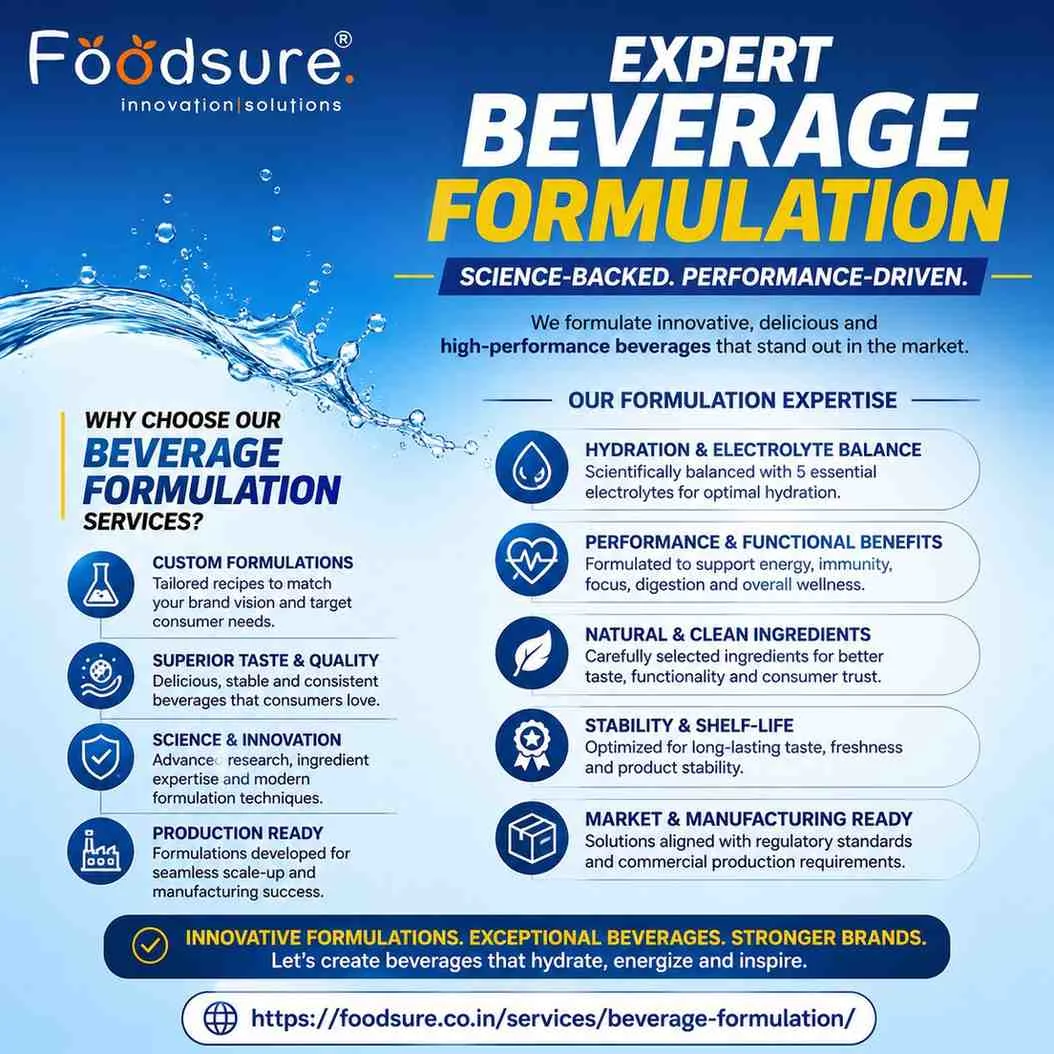
Getting a beverage right isn't luck — it's the result of disciplined, iterative Beverage Formulation that accounts for taste, stability, cost, and compliance from day one. Whether you're launching a new functional drink or refreshing a legacy recipe, investing the time in proper formulation pays off in fewer surprises at scale and a better product on the shelf. For brands that want expert guidance through this process, working with a dedicated partner like Foodsure can turn a promising concept into a market-ready beverage with far less trial and error.
Frequently Asked Questions
Q1: How long does beverage formulation typically take?
Depending on complexity, formulation can take anywhere from a few weeks for a simple flavored water to several months for a functional beverage with multiple active ingredients and extensive stability testing.
Q2: How much does it cost to formulate a new beverage?
Costs vary widely based on ingredient complexity, the number of iterations needed, and whether stability and shelf-life testing are included. Simple recipes may cost a few thousand dollars, while complex functional beverages can run significantly higher.
Q3: Do I need a food scientist to develop a beverage recipe?
While not strictly required for very simple products, working with a trained formulator or food scientist greatly reduces the risk of stability, safety, or regulatory issues down the line.
Q4: What's the difference between a bench trial and a pilot batch?
A bench trial is a small lab-scale test, often just a few liters, used to fine-tune taste and ingredient ratios. A pilot batch is a larger-scale run on production-style equipment to confirm the recipe holds up outside the lab.
Q5: Can an existing beverage recipe be reformulated to reduce sugar or remove preservatives?
Yes, this is a common request. Reformulation requires careful testing since removing sugar or preservatives often affects taste, texture, and shelf life, all of which need to be re-validated.
Q6: Who owns the recipe after working with a formulation company?
This depends on the contract, so it's important to clarify intellectual property terms upfront. Reputable formulation partners typically transfer full ownership of the final recipe to the client brand.