Sign up with Google
 Sign in with Zoho


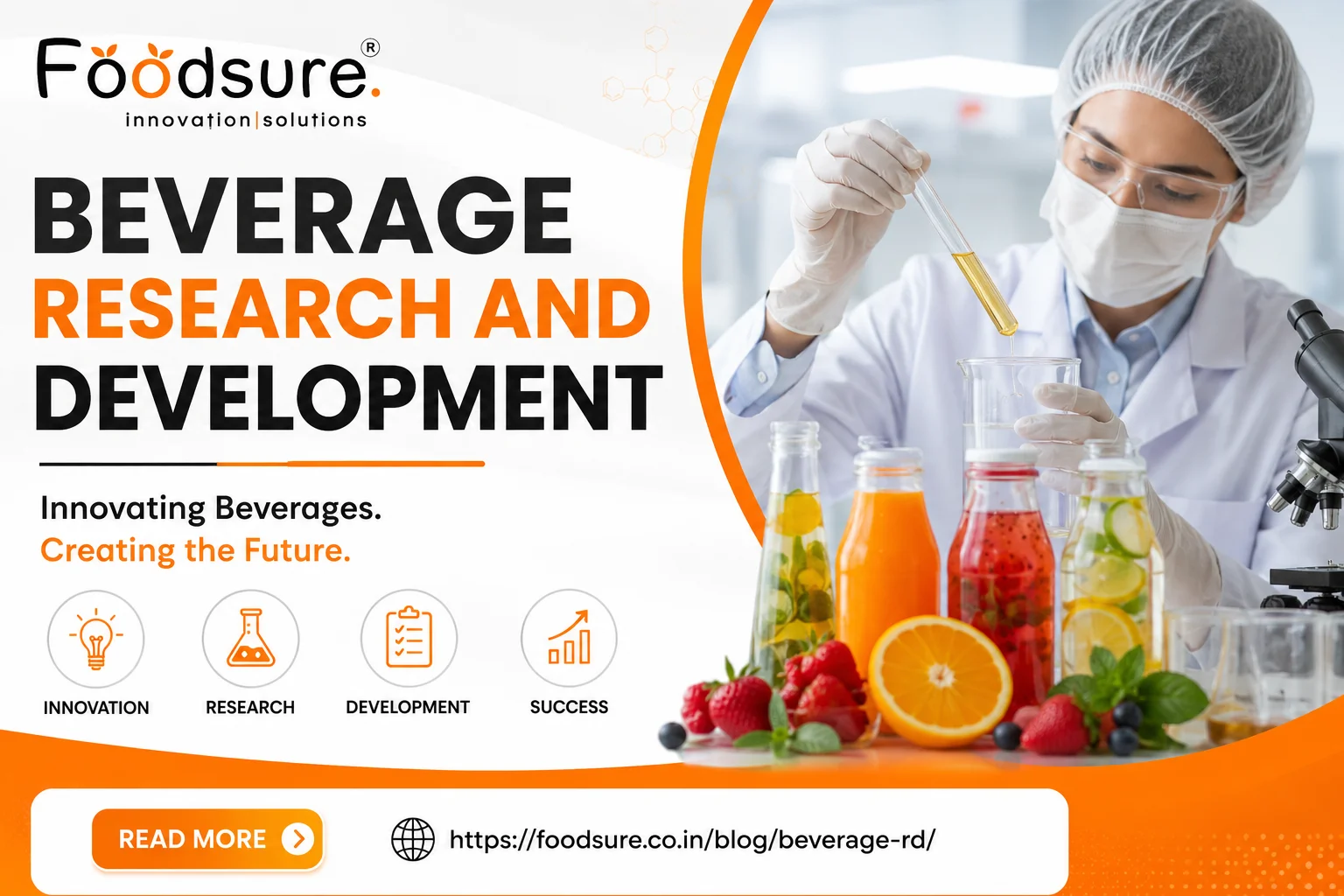
The beverage industry is evolving rapidly as consumers demand healthier, functional, and innovative drinks that deliver both taste and value. Whether it's protein beverages, sparkling functional drinks, energy beverages, kombucha, RTD coffee, or hydration drinks, every successful product starts with a strong beverage research and development process. Without proper planning, formulation, testing, and validation, even the best beverage idea may fail to meet consumer expectations or regulatory requirements.
A well-planned beverage research and development strategy helps brands transform concepts into market-ready products while reducing development risks, improving product quality, and ensuring consistent performance throughout production.
Why Beverage Research and Development Matters
Developing a beverage involves much more than mixing ingredients. Every formulation must achieve the perfect balance of taste, stability, nutrition, functionality, cost, and shelf life.
Modern consumers expect beverages that are:
- Great tasting
- Nutritionally beneficial
- Clean-label
- Shelf stable
- Convenient
- Affordable
- Compliant with food regulations
This is why professional R&D has become one of the most important investments for beverage startups as well as established brands.
What is Beverage Research and Development?
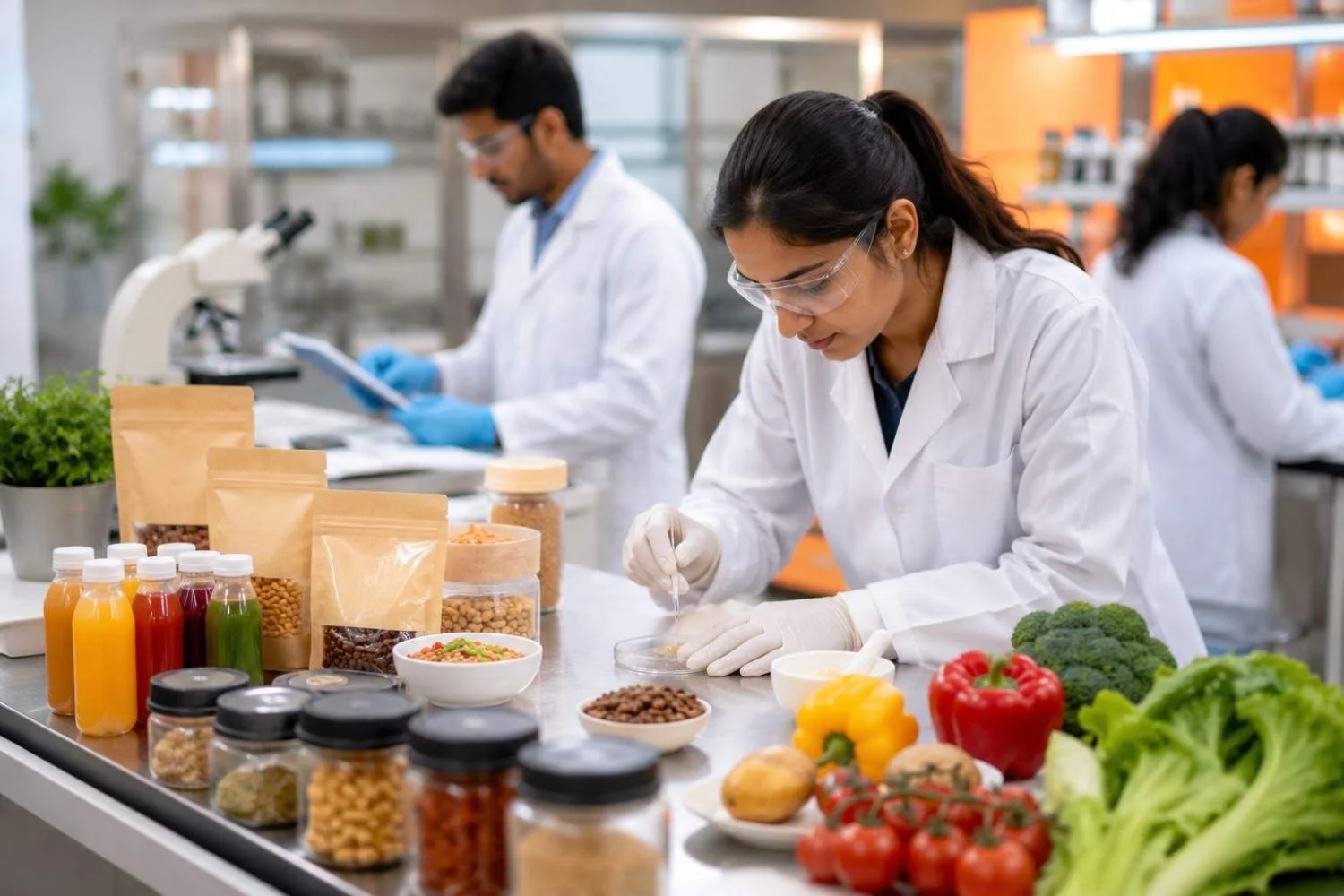
Beverage research and development is the complete scientific and technical process of designing, testing, optimizing, and commercializing new beverage products.
The process includes:
- Product ideation
- Ingredient selection
- Recipe formulation
- Flavor balancing
- Stability testing
- Shelf-life studies
- Nutritional optimization
- Packaging compatibility
- Pilot production
- Commercial manufacturing readiness
Every stage contributes to building a beverage that performs consistently from the laboratory to large-scale manufacturing.
The Complete Beverage Development Process
1. Market Research and Product Planning
Every successful beverage begins with understanding market demand.
Brands first identify:
- Consumer preferences
- Industry trends
- Target audience
- Competitor products
- Pricing opportunities
- Functional ingredient trends
This research helps define the product's positioning before formulation begins.
2. Ingredient Selection
Selecting ingredients is one of the most critical stages.
Developers carefully evaluate:
- Sweeteners
- Natural flavors
- Fruit concentrates
- Botanical extracts
- Vitamins
- Minerals
- Plant proteins
- Functional ingredients
- Preservatives
- Acids
- Stabilizers
Each ingredient affects flavor, appearance, shelf life, texture, and production costs.
3. Beverage Formulation
At this stage, an experienced Beverage Formulation Consultant develops multiple prototype formulations.
The objective is to achieve:
- Balanced sweetness
- Desired mouthfeel
- Stable emulsion
- Attractive color
- Consistent aroma
- Nutritional goals
- Manufacturing compatibility
Several iterations may be required before the ideal formula is finalized.
4. Laboratory Testing
Before commercial production, every beverage undergoes extensive laboratory testing.
Physical Testing
- pH
- Brix
- Viscosity
- Density
- Carbonation level
Chemical Testing
- Nutritional composition
- Ingredient compatibility
- Oxidation resistance
Microbiological Testing
- Yeast
- Mold
- Bacterial safety
- Pathogen analysis
These tests ensure product safety and quality.
5. Stability Testing
A beverage should maintain its quality throughout its intended shelf life.
During stability testing, developers monitor:
- Flavor changes
- Color degradation
- Ingredient separation
- Sedimentation
- Carbonation retention
- Packaging interaction
Stability testing helps determine the ideal storage conditions and expected product lifespan.
6. Packaging Compatibility
Packaging directly influences product quality.
Developers evaluate:
- PET bottles
- Glass bottles
- Aluminum cans
- Tetra packs
- Flexible pouches
Packaging trials ensure that the beverage remains stable without reacting with the container material.
7. Pilot Production
Once the laboratory formulation is approved, the recipe moves to pilot-scale manufacturing.
Pilot production validates:
- Equipment compatibility
- Mixing sequence
- Heating process
- Pasteurization
- Filling efficiency
- Production consistency
This step minimizes manufacturing risks before full-scale commercialization.
Why Structured Development is Important
One of the biggest reasons beverage products fail is the absence of structured development.
Rather than rushing directly into manufacturing, successful brands follow a systematic approach that includes research, formulation, testing, optimization, and pilot validation. This organized workflow improves consistency, reduces costly reformulations, and helps brands launch products with greater confidence.
Beverage Innovation Through Research
Today's consumers continuously seek unique beverage experiences.
Popular innovation categories include:
- Functional beverages
- Plant-based drinks
- Protein beverages
- Adaptogenic beverages
- Electrolyte drinks
- Sparkling wellness drinks
- Botanical beverages
- Prebiotic beverages
- Low-sugar beverages
- RTD tea and coffee
Continuous beverage research and development enables brands to respond quickly to changing consumer preferences and emerging market opportunities.
Common Challenges During Beverage Development
Developing a commercial beverage involves overcoming several technical challenges.
Ingredient Compatibility
Some functional ingredients interact with flavors or acids, affecting stability.
Shelf Life
Maintaining taste and quality over several months requires careful formulation.
Flavor Balance
Functional ingredients can introduce bitterness or undesirable aftertastes that require flavor optimization.
Manufacturing Scale-Up
Recipes that perform well in the laboratory may require adjustments for commercial production.
Cost Optimization
Balancing ingredient quality with production costs is essential for commercial success.
Regulatory Compliance
Every beverage launched into the market must comply with applicable food safety and labeling requirements.
Key considerations include:
- Ingredient declarations
- Nutritional labeling
- Allergen information
- Permitted additives
- Product claims
- Food safety standards
Regulatory compliance protects both brands and consumers while supporting successful market entry.
How Our Beverage R&D Team Supports Product Success
A dedicated Our beverage R&D team works collaboratively across formulation, testing, process optimization, and commercialization.
The team evaluates every aspect of product performance, including flavor consistency, ingredient functionality, shelf stability, packaging compatibility, and production scalability. By combining technical expertise with market insights, brands can accelerate development while reducing technical risks throughout the product lifecycle.
Benefits of Professional Beverage Research and Development
Investing in professional beverage research and development provides several long-term advantages.
These include:
- Faster product launches
- Better product quality
- Reduced formulation risks
- Improved shelf stability
- Consistent manufacturing
- Consumer-focused innovation
- Regulatory readiness
- Lower production waste
- Better scalability
- Stronger market competitiveness
Future Trends in Beverage Development
The beverage industry continues to evolve with advancements in ingredient technology and consumer expectations.
Key trends shaping the future include:
- Clean-label formulations
- Natural sweeteners
- Functional nutrition
- Personalized beverages
- Sustainable ingredients
- Eco-friendly packaging
- AI-assisted formulation
- Precision nutrition
- Health-focused beverage solutions
Companies investing in beverage research and development today will be better positioned to meet future market demands and remain competitive.
Conclusion
Building a successful beverage requires far more than a creative idea. From research and formulation to stability testing, pilot production, packaging evaluation, and commercialization, every stage plays an essential role in delivering a high-quality product. Effective Beverage development combines scientific expertise with market understanding to create beverages that satisfy consumers and perform reliably in large-scale manufacturing. With Foodsure and its Foodsure Beverage R&D expertise, brands can confidently transform innovative beverage concepts into successful commercial products through a comprehensive and reliable R&D approach.
Frequently Asked Questions (FAQs)
1. What is beverage research and development?
Beverage research and development is the process of designing, testing, optimizing, and validating beverage products before commercial production. It includes formulation, ingredient selection, stability testing, packaging evaluation, and manufacturing preparation.
2. Why is beverage research and development important?
It helps create safe, stable, high-quality beverages that meet consumer expectations while reducing production risks, improving shelf life, and ensuring successful market launches.
3. What does a Beverage Formulation Consultant do?
A Beverage Formulation Consultant develops beverage recipes, selects suitable ingredients, optimizes flavor, ensures stability, and prepares formulations for commercial manufacturing.
4. How long does beverage development usually take?
The timeline varies depending on product complexity. Most beverage projects require several weeks to a few months, including formulation, testing, pilot production, and regulatory preparation.
5. What types of beverages can benefit from R&D?
Almost every beverage category benefits from R&D, including energy drinks, protein beverages, functional drinks, sparkling beverages, RTD tea, RTD coffee, hydration drinks, botanical beverages, and plant-based beverages.
6. Why is pilot production important?
Pilot production verifies that the laboratory formulation performs consistently on manufacturing equipment before full-scale commercial production, reducing costly errors during scale-up.