Sign up with Google
 Sign in with Zoho

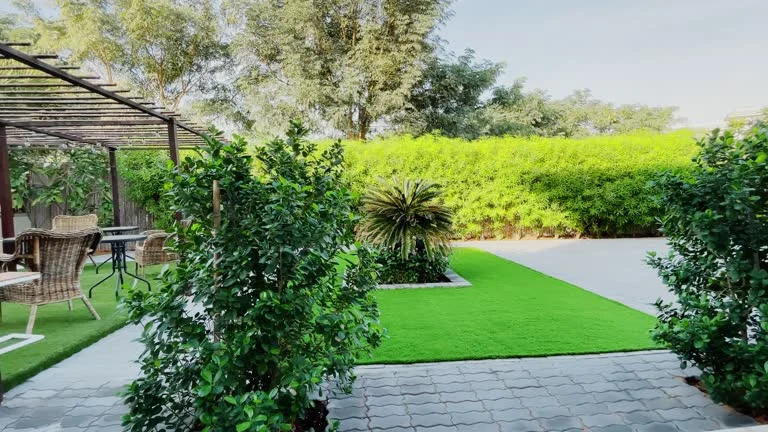
If your yard slopes toward the house, washes out after heavy rain, or has soil that keeps creeping downhill, a retaining wall may be the fix you have been looking for. Choosing the right Retaining wall contractor in Tyler TX makes a big difference in how well that wall holds up over the years. A wall is not just a pile of stacked blocks. It has to hold back tons of soil, handle constant water pressure, and blend in with the rest of your property. This guide walks you through what to know before you hire, so you can make a confident decision and avoid costly repairs down the road.
Why Retaining Walls Matter for Tyler Properties
Tyler sits in the rolling piney woods of East Texas, and many lots have gentle to steep slopes that shift over time. Heavy spring storms can wash soil into driveways, patios, and neighboring yards. A well built retaining wall holds that soil in place, creates level space for gardens or seating areas, and protects your foundation from erosion. Beyond the practical side, walls also add visual structure to a yard. They can turn an awkward hillside into terraced beds, a tidy backyard, or a safe walkway. Many homeowners think of walls as purely decorative, but their main job is to manage the force of soil and water. When that job is done right, the wall quietly protects your property for decades. When it is done poorly, you may notice leaning, cracking, or bulging within just a few seasons.
What to Look for When Hiring a Local Wall Professional
Not every crew that stacks stone has the training to build a wall that lasts. When you search for a Retaining wall contractor in Tyler TX, start by asking how long they have worked in the area and whether they have handled projects similar to yours. Ask to see photos of finished walls, and if possible, drive by a few that are several years old. Older walls tell you far more than brand new ones. A reliable contractor will visit your site, look at the slope, check how water moves across the yard, and explain the plan in plain language. Ask about insurance, written estimates, and warranties on the work. If someone gives you a price without ever seeing the property, treat that as a warning sign.
Popular Retaining Wall Materials and Their Pros and Cons
Segmental concrete block is one of the most popular choices because it is durable, fairly affordable, and available in many colors and textures. Natural stone offers a classic look that blends well with East Texas landscapes, though it takes more skill and time to install. Poured concrete is very strong and works well for tall walls, but it can look plain unless it is stained or faced with stone. Timber walls cost less upfront and suit smaller garden beds, yet wood breaks down faster in humid climates and may need replacing sooner. The best material depends on your budget, the height of the wall, and the style of your home. A good builder will explain the tradeoffs honestly instead of pushing one option.
The Role of Drainage Behind the Wall
Water is the biggest enemy of any wall. Soil that becomes saturated grows much heavier and pushes hard against the structure. That is why a skilled Retaining wall contractor in Tyler TX will always plan for drainage before a single block is set. This usually means a layer of crushed gravel behind the wall, a perforated pipe at the base that carries water away, and filter fabric that keeps soil from clogging the system. Weep holes or outlets allow water to escape safely instead of building up. Tyler receives plenty of rainfall each year, so these details are not optional extras. Skipping them is the most common reason walls lean, crack, or fail early, even when the blocks themselves are high quality.
Planning, Permits, and Site Preparation
Good walls begin with good planning. Before construction starts, the crew should mark utility lines, measure the slope, and decide how tall the wall needs to be. Taller walls often need engineering, and some areas require permits above a certain height, so it helps to work with a Retaining wall contractor in Tyler TX who understands local rules. Site preparation includes digging a trench, compacting a solid base, and setting the first course perfectly level, since every layer above depends on it. The team at Breaking Ground Outdoor Services treats this early stage with the most patience, because mistakes at the base cannot be hidden later. Rushing the foundation is a shortcut that always shows up eventually.
Cost Factors and Maintenance Over Time
Pricing depends on wall height, length, material, access to the site, and how much soil must be moved. Natural stone costs more than segmental block, and taller walls need extra reinforcement. Try to get two or three written quotes from a Retaining wall contractor in Tyler TX and compare what each one includes rather than only looking at the bottom line. Base preparation, drainage, and cleanup should all be listed clearly. Once the wall is finished, upkeep is simple. Keep drain outlets clear of leaves and debris, watch for new cracks or leaning, and avoid piling heavy loads like firewood or soil right at the top edge. A few minutes of attention each season can add many years to the life of your wall.
Final Thoughts on Building a Wall That Lasts
A retaining wall is an investment in the safety, beauty, and value of your property. The right materials matter, but the quality of the base, the drainage, and the craftsmanship matter even more. Take your time when comparing builders, ask direct questions, and look for a team that is happy to explain every step. Breaking Ground Outdoor Services is ready to help homeowners plan walls that handle East Texas weather and still look great for years. If you are dealing with a slope, an erosion problem, or simply want a more usable yard, reach out for a site visit and start the conversation.