Sign up with Google
 Sign in with Zoho

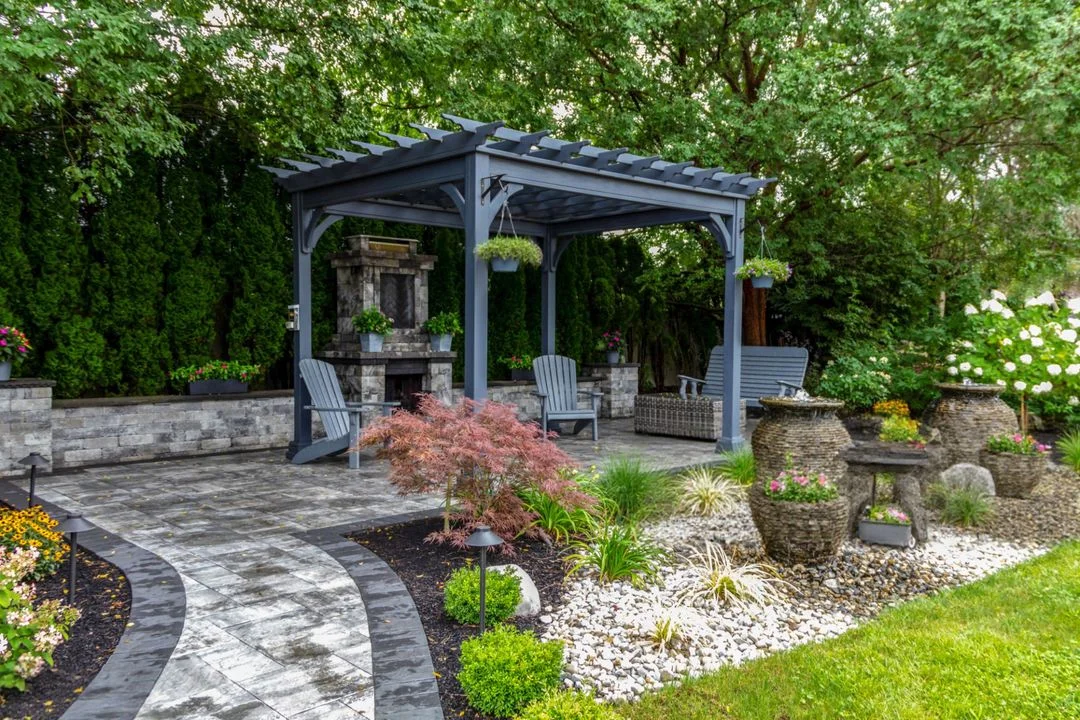
Water runs downhill, and soil goes with it. On a sloped lot in East Texas, a few hard rains can wash out a flower bed, undercut a driveway, or leave a backyard too steep to use. A retaining wall holds that ground in place and can turn a sharp slope into level space you can actually use. Whether you want a low garden wall or a taller structure that supports a patio, picking the right Retaining Wall Contractors in Tyler TX makes a big difference in how long it lasts. This guide covers what the work involves, which materials are common, and what to ask before you sign anything.
Why retaining walls matter in East Texas
Tyler sits in rolling East Texas country, and plenty of lots have some slope to them. Heavy spring storms can dump a lot of water in a short time, and loose soil on a hillside moves easily when it is soaked. Over the years you may notice soil piling up against a fence, a patio that has started to tilt, or bare patches where grass will not hold. A wall breaks a tall slope into steps or holds back the dirt next to a driveway or foundation. It also gives you flat ground for a lawn, a garden, or a seating area. Many homeowners call someone only after the damage has started, but a wall built early often costs less than fixing the damage later. The goal is simple: keep the soil where it belongs and let the water go somewhere safe.
What a contractor handles from start to finish
Good Retaining Wall Contractors in Tyler TX do more than stack blocks. The work starts with a site visit to look at the slope, the soil, and where water collects during a storm. From there the crew marks the wall line, excavates for a base, and sets the first course carefully, because everything above it depends on that layer being level and firm. They add compacted gravel, place the wall material, backfill behind it in layers, and install drainage as they go. At the end they grade the area around the wall so rain flows away from it. Expect them to ask how you plan to use the space too, since a wall that supports a patio is built differently from one that only holds back a flower bed. A contractor who explains each step before starting is usually one who does them properly.
Choosing a wall material
Several materials work in this area, and the best choice depends on height, budget, and how the wall will look next to your home. Segmental concrete blocks are popular because they interlock, come in many colors, and suit most residential walls. Natural stone looks good and blends with a wooded yard, though it usually costs more and takes more labor. Poured concrete handles tall or heavily loaded walls but needs formwork and careful planning. Timber is cheaper up front, but wood in wet Texas ground can rot, so it tends to have a shorter life. Ask your contractor why they recommend one material over another for your specific slope, not just which one they prefer to build.
Drainage and soil behind the wall
Most wall failures come from water, not from weak material. When the soil behind a wall fills with water, it gets heavy and pushes outward, and that pressure can crack or tip a wall that looks solid. Experienced Retaining Wall Contractors in Tyler TX plan for this by placing clean gravel behind the wall and adding a perforated drain pipe at the base that carries water out to a safe spot. A layer of fabric keeps soil from clogging the gravel. East Texas clay holds water longer than sandy ground, so it needs more attention. Even a short wall deserves a drainage plan, because it holds back the same wet, heavy soil as a tall one, just less of it. If your wall has no drainage, expect leaning, bulging, or cracks in a few years.
Permits, height limits, and engineering
Smaller garden walls often go up without much paperwork, but taller walls are a different story. Many cities and counties require an engineer’s design once a wall passes a certain height, and some need a permit, especially when a wall sits near a property line, a road, or a structure. The exact rules depend on where your property is, so check with the City of Tyler or Smith County before work begins. A wall that holds up a driveway, a pool deck, or a house needs more than a rule of thumb. A reliable contractor will tell you when engineering is needed instead of guessing, and will handle the permit process or walk you through it.
Questions to ask before you hire
Before you pick from the Retaining Wall Contractors in Tyler TX you are considering, ask for a written estimate that lists the materials, wall height, and drainage plan. Confirm that the company carries liability insurance, and ask for photos of past walls, ideally ones that have been standing for a few years. Ask who will be on site each day, how long the job should take, and what happens if rain delays the work. Find out whether the price includes removing old material and hauling dirt away. Ask what warranty covers the wall, and get it in writing. Clear answers and a willingness to explain things are good signs. Vague answers are a reason to keep looking.
Conclusion
A retaining wall is a practical fix for a sloped yard, and it works best when the design, base, and drainage are done right the first time. Take your time comparing Retaining Wall Contractors in Tyler TX, and look at how each one handles soil and water, not just the price. Choose a material that suits your site and budget, and find out early whether your wall needs a permit or an engineer. If you want a second opinion on a slope or a wall that is already showing wear, Breaking Ground Outdoor Services can take a look and explain your options. A good wall is one you stop thinking about because it just works.