
 Sign up with Google
 Sign in with Zoho
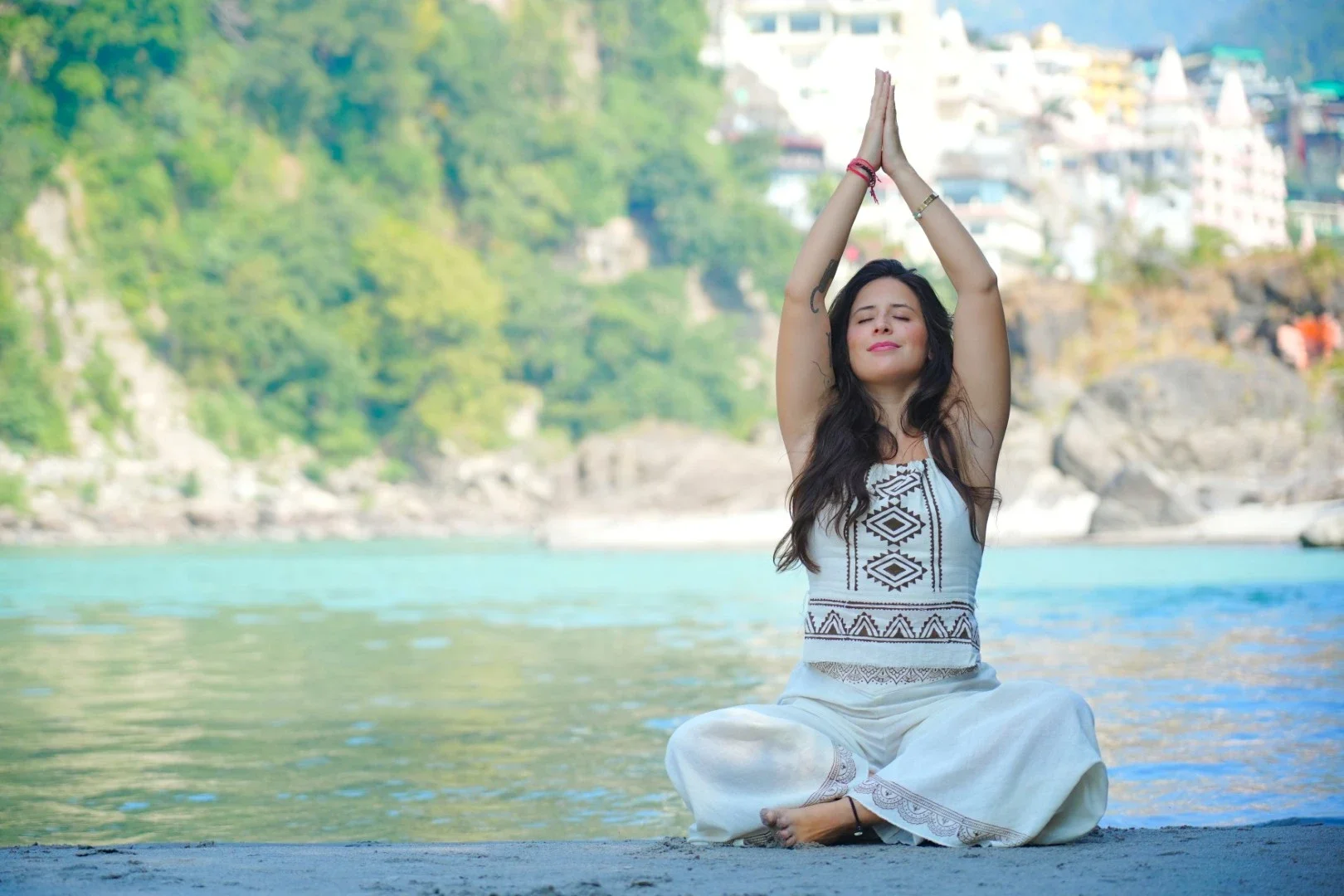

Yoga is not merely physical exercise; it is an effective way to balance the body, mind, and breath. While many people begin yoga to improve flexibility and fitness, others wish to understand yoga philosophy and become professional yoga teachers. Choosing the right training program based on your goals is a crucial step in this journey.
1. Understand Your Goals
Before selecting any training program, decide what you wish to achieve. Do you want to enhance your personal yoga practice, or do you aspire to become a yoga instructor in the future? Having clear goals will help you select the most suitable course.
2. Check the Course Curriculum
A good yoga training program should encompass more than just yoga poses; it should also include *pranayama* (breathwork), meditation, anatomy, teaching methodology, and yoga philosophy. Learning these subjects helps students understand various aspects of yoga and refine their practice.
3. Check the Teachers' Experience
Experienced teachers can significantly enhance your learning journey. Before selecting a program, look into the instructors' experience, teaching style, and qualifications. A supportive teacher can help you master difficult poses, correct your mistakes, and build confidence in your teaching abilities.
4. Consider the Learning Environment
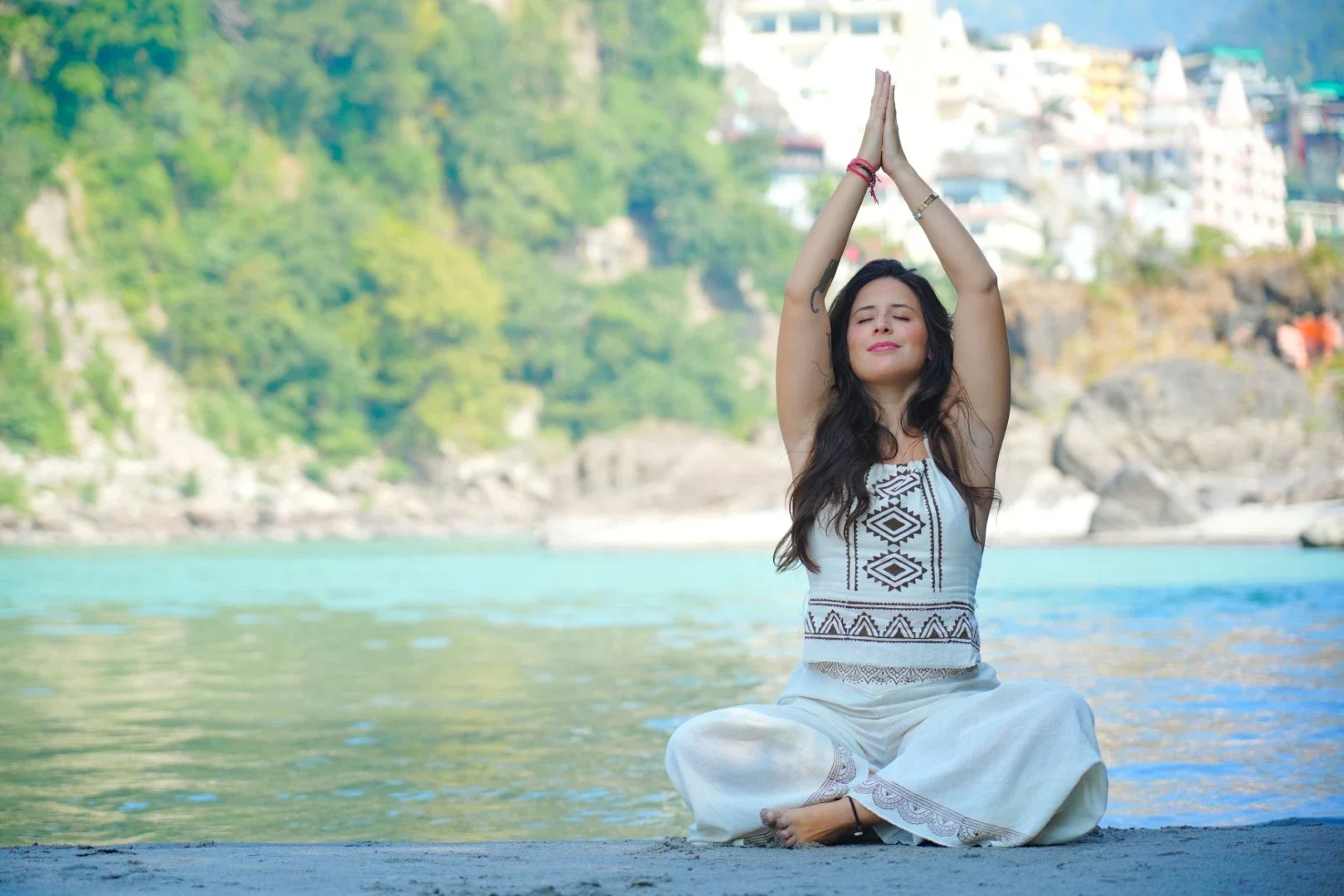
Rishikesh is renowned for its yoga traditions and peaceful, natural surroundings. Many students opt for yoga teacher training in Rishikesh because they wish to learn yoga in a focused and supportive environment.
When choosing a program, be sure to gather information regarding accommodation, meals, class size, the daily schedule, and available facilities. Reading reviews from past students can also be useful.
5. Check the Daily Schedule
Yoga training often involves early morning practice, meditation, theory classes, and teaching sessions. Therefore, it is important to thoroughly understand the daily timetable before enrolling.
Choose a program that allows sufficient time for rest and recovery alongside learning and practice. If you are a beginner, check whether the instructors support students of varying experience levels.
6. Compare Course Fees and Facilities
Fees and facilities vary across different yoga programs. Some courses include accommodation, meals, study materials, and practical classes, while others may require additional payments for certain services.
Before enrolling, inquire about the total fees, payment terms, cancellation policy, certification details, and any extra expenses. This will help you make a better decision based on your budget.
7. Prepare Yourself for Training
You do not need to be an expert to start yoga training. Regular practice, patience, discipline, and a willingness to learn can help you progress on your journey.
You can begin preparing by practicing basic yoga poses, learning breathing techniques, and establishing a consistent routine. Understand your body's limits and avoid forcing yourself into difficult poses.
Conclusion
To choose the right yoga training program, it is essential to carefully evaluate your goals, the course curriculum, the teachers' experience, the daily schedule, and your budget. Prioritize your own needs and expectations rather than making a decision based solely on the course's popularity.
With proper research and consistent practice, you can make your yoga journey meaningful. A suitable training program can provide you with the opportunity to develop a deeper understanding of yoga, improve your personal practice, and build teaching skills for the future.









.webp)

