Sign up with Google
 Sign in with Zoho

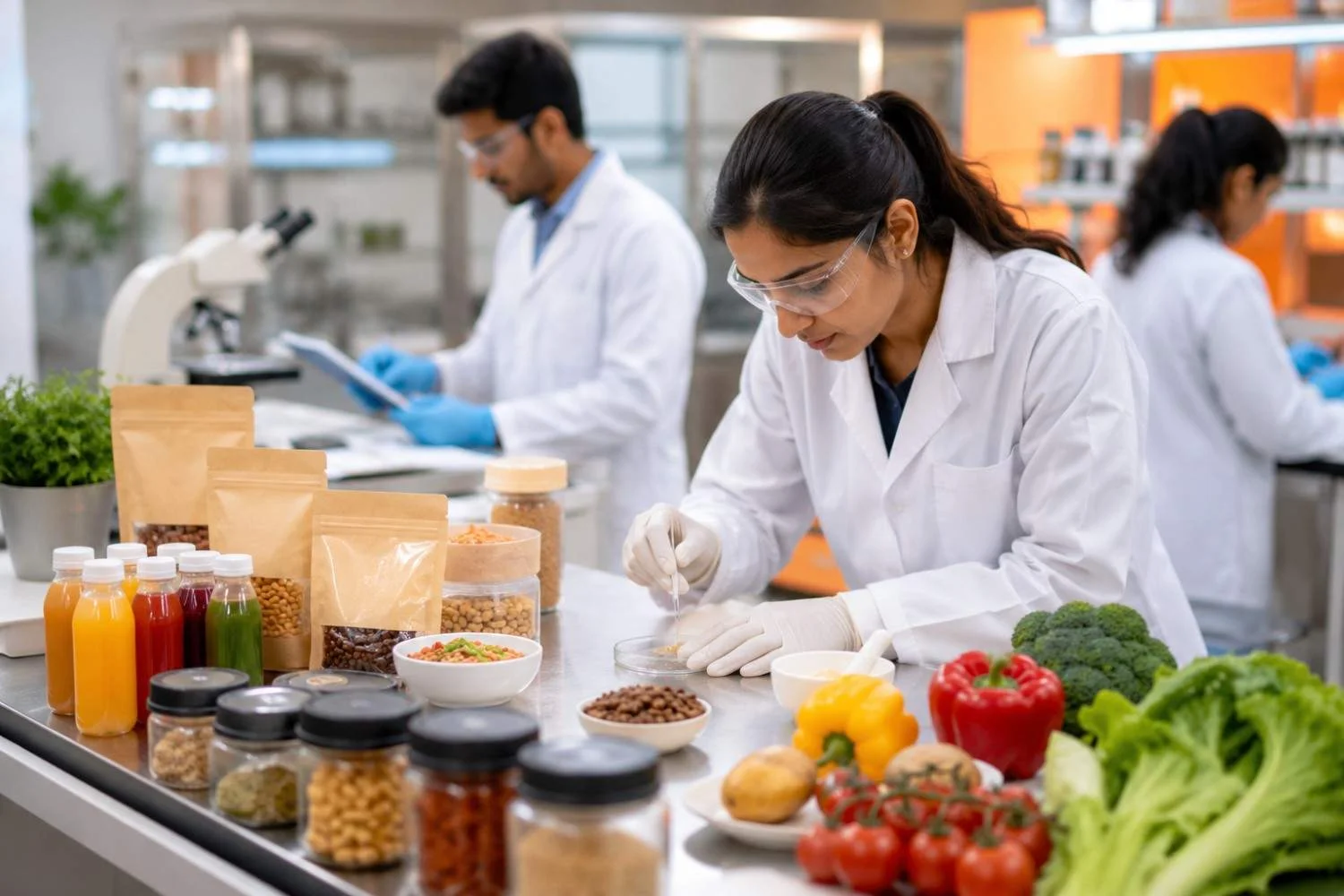
Walk into any store in India today and you will see how crowded the drinks aisle has become. Cold-pressed juices, protein shakes, sparkling teas, electrolyte mixes, adaptogen tonics and low-sugar sodas all compete for attention. Behind each successful product is a long process of testing, tasting and problem-solving that consumers never see. That process is beverage research and development, and it decides whether a drink becomes a repeat purchase or a short-lived experiment.
In this guide, we explain what beverage R&D involves, which areas it covers, how the process works and how brands can use it to build better products.
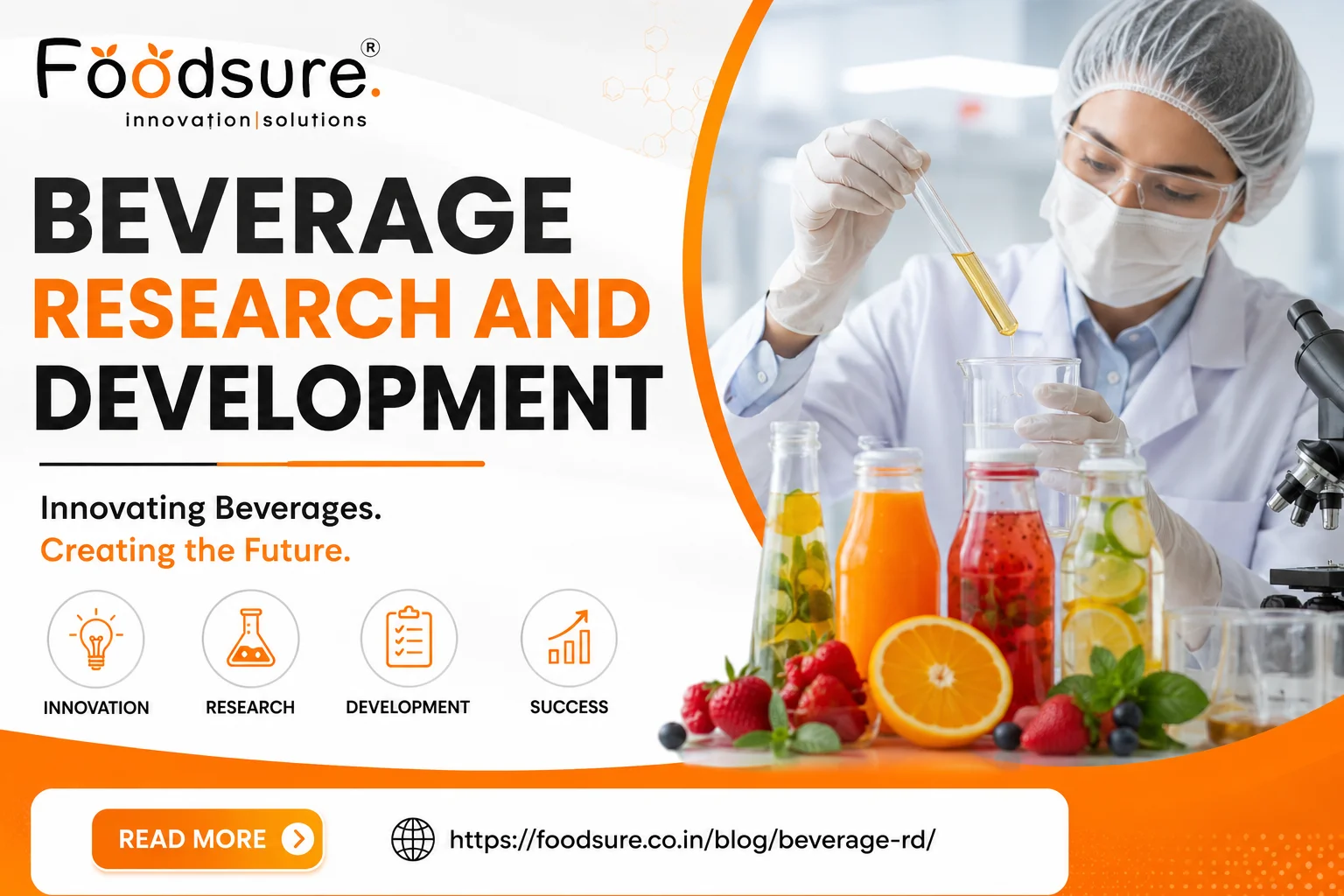
What Is Beverage Research and Development?
Beverage R&D is the scientific and creative work of discovering, designing, testing and improving drinks. It combines food science, sensory analysis, chemistry, microbiology, packaging knowledge and market insight to create beverages that taste good, stay safe and perform well at scale.
R&D is not limited to inventing a new product. It also covers:
- Improving the taste or texture of an existing drink
- Reducing sugar, calories or artificial additives
- Extending shelf life without compromising quality
- Replacing costly or hard-to-source ingredients
- Solving problems such as sedimentation, foaming or colour fade
- Adapting a recipe for a new packaging format or production method
In short, R&D is the technical foundation on which every successful beverage brand is built.
Why R&D Matters More Than Ever
Consumer expectations are rising quickly. Buyers read labels, compare ingredients and expect both great taste and real health benefits. At the same time, regulations are becoming stricter and competition is growing every month.
A strong R&D approach helps brands in several ways:
- Better quality: consistent flavour and appearance in every batch
- Lower risk: problems are found in the lab instead of in the market
- Cost efficiency: smart ingredient and process choices protect your margins
- Faster innovation: a solid knowledge base makes it easier to launch new flavours and variants
- Regulatory confidence: ingredients and claims are checked before launch
Brands that skip this stage often spend far more fixing issues later than they would have spent on proper research at the start.
Key Areas Covered in Beverage R&D
Ingredient Research
Every ingredient has a function. Sweeteners shape taste and calorie content, acids control tartness and preservation, hydrocolloids add body, and flavours define identity. R&D teams study how these ingredients interact so that the final drink is balanced and stable. Natural and clean-label alternatives are also tested to meet growing consumer demand.
Flavour and Sensory Science
Taste is more than sweetness. Aroma, mouthfeel, bitterness, aftertaste and even colour influence how a drink is perceived. Structured sensory panels help refine flavour profiles and match them to the target audience.
Stability and Shelf-Life Studies
A drink can taste perfect on day one and look completely different after two months. Researchers test how the product behaves under heat, light and different storage conditions, checking for separation, colour change, flavour loss and microbial growth.
Processing Technology
Pasteurisation, hot filling, cold filling, carbonation, homogenisation and high-pressure processing each affect the final product. R&D identifies which method protects quality while keeping production practical and affordable.
Packaging Compatibility
Glass, PET, cans and pouches interact differently with a drink. Oxygen, light and temperature can change flavour and colour, so packaging is tested along with the recipe.
Nutrition and Functional Benefits
Many modern drinks promise added value such as immunity support, hydration, gut health or energy. R&D ensures that active ingredients remain effective, taste acceptable and meet regulatory limits.
The Beverage R&D Process Step by Step
Although every project is different, most follow a clear structure.
- Market and consumer research: understand who will buy the drink, what they expect and where the gap in the market lies.
- Concept brief: define flavour direction, price range, positioning and key claims.
- Benchmarking: analyse similar products to understand taste standards, ingredients and pricing.
- Bench-top trials: prepare small samples with different ingredient combinations.
- Sensory evaluation: run tasting rounds and refine the recipe based on feedback.
- Stability and shelf-life testing: confirm that the drink stays safe and consistent over time.
- Regulatory and labelling review: check compliance with FSSAI requirements.
- Pilot trials and scale-up: test the recipe on larger equipment before commercial production.
Each stage reduces uncertainty and builds confidence for the next one.
From Research to Recipe: The Role of Formulation
Research produces knowledge, and formulation turns that knowledge into a working recipe. Beverage formulation involves selecting ingredients, deciding quantities and defining the process so that every batch tastes the same. A good formula balances flavour, stability, safety and cost, and it is designed with scale-up in mind from the very beginning.
Without R&D, formulation becomes guesswork. Without formulation, research never turns into a product. The two work best together.
Beverage R&D Within the Bigger Picture
R&D is one stage of a longer journey. Beverage development covers everything from the first idea to commercial launch. It includes concept creation, recipe design, testing, packaging inputs, regulatory support, pilot trials and production planning.
When brands treat research and development as one connected process, decisions become smarter. For example, knowing your production method early helps researchers design a recipe that runs smoothly on factory equipment, which prevents expensive changes later.
Working with a Beverage Consultant
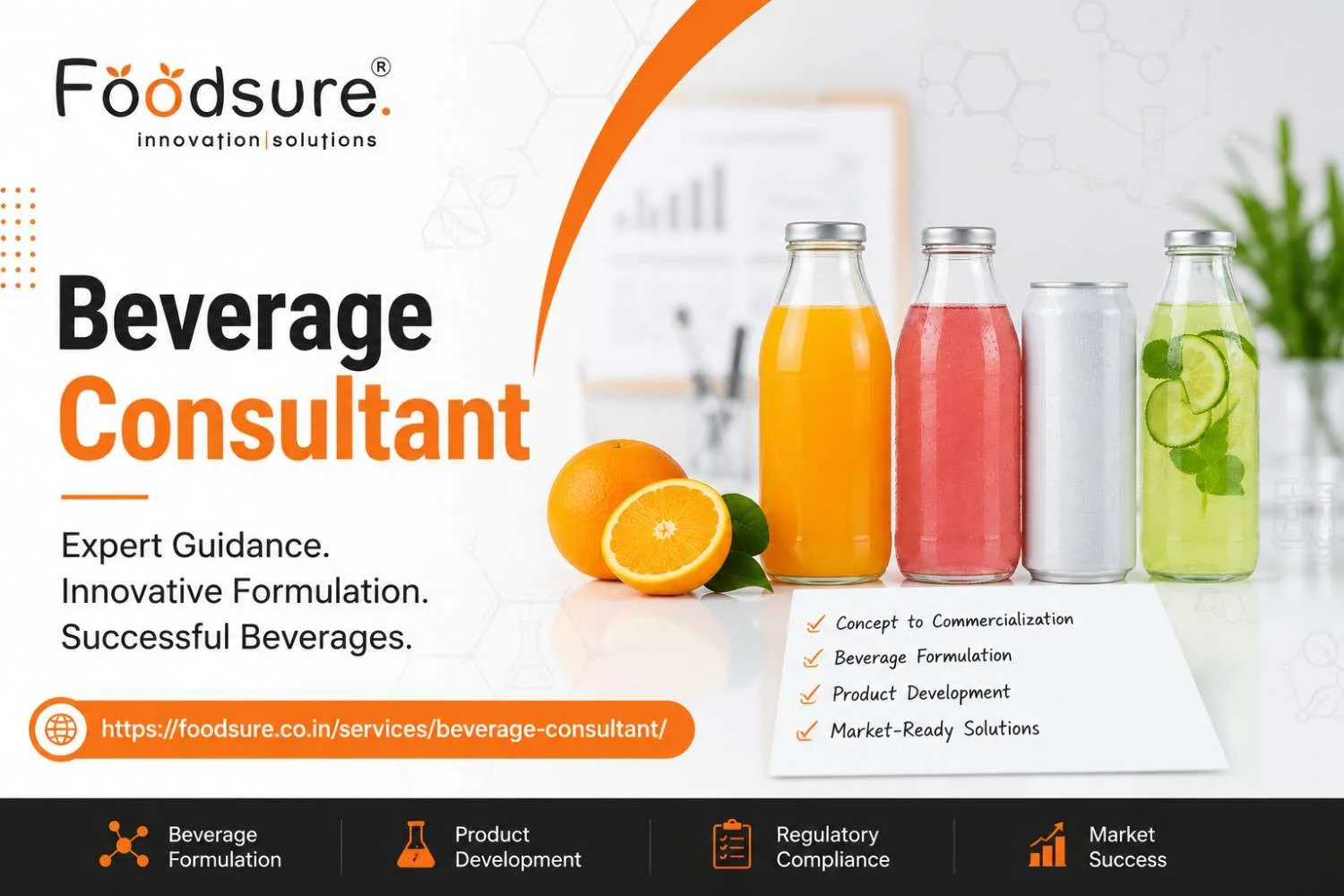
Setting up an in-house R&D lab requires a significant budget, trained food technologists and access to testing equipment. For startups and growing brands, hiring an experienced beverage consultant is usually the faster and more economical choice.
A good consultant can:
- Run trials and refine recipes based on your brief
- Solve technical issues in existing products
- Suggest ingredient alternatives to reduce cost or supply risk
- Guide you on shelf-life planning and labelling
- Support scale-up and production handover
- Help you plan new flavours, variants and product lines
This gives you access to expert knowledge without the heavy fixed costs of building your own research facility.
Connecting R&D with Manufacturing
A recipe that works in the lab must also work in a factory. This is why the link between research and production is so important. Many brands choose a beverage contract manufacturing partner in India instead of building their own plant, which lowers investment and speeds up launch.
To make this transition smooth:
- Involve the manufacturer during the R&D stage, not after it
- Share equipment details so the recipe can be designed around them
- Run pilot batches before full-scale production
- Document ingredient specifications, mixing order, temperatures and filling conditions
- Set clear quality benchmarks for every batch
When research and manufacturing teams communicate early, scale-up problems drop sharply.
Current Trends Shaping Beverage Innovation
R&D teams across the industry are focusing on several fast-growing areas:
- Sugar reduction: lowering sugar while keeping taste and mouthfeel pleasant
- Functional beverages: drinks with vitamins, minerals, proteins, probiotics or herbal extracts
- Clean-label products: shorter ingredient lists with recognisable, natural components
- Plant-based drinks: oat, almond, soy and other dairy-free alternatives
- Ready-to-drink formats: tea, coffee and wellness drinks designed for convenience
- Sustainable packaging: lighter, recyclable and shelf-stable formats
Brands that follow these trends and test ideas through proper R&D are better placed to win customers.
Common Mistakes to Avoid
Even promising brands slip up in a few predictable ways:
- Skipping market research and launching a drink nobody asked for
- Relying on home-kitchen trials, which rarely match factory results
- Ignoring shelf-life studies, leading to spoilage or quality loss
- Chasing trends blindly without checking taste, cost or compliance
- Finalising packaging late, which can force recipe changes
- Underfunding R&D, then paying much more to fix problems after launch
Proper planning and patience at the research stage protect both your budget and your brand reputation.
Frequently Asked Questions (FAQs)
1. What is beverage research and development?
Beverage R&D is the process of creating, testing and improving drinks using food science, sensory evaluation and market insight, so that products are tasty, stable, safe and ready for commercial production.
2. How long does beverage R&D take?
Simple drinks may take a few weeks. Functional or complex beverages often need a few months because of stability studies, trials and compliance checks.
3. What is the difference between beverage formulation and beverage R&D?
R&D is the wider process of research, testing and problem-solving. Formulation is the part that creates the actual recipe based on those findings.
4. Do startups really need R&D support?
Yes, in most cases. Even a small brand benefits from testing taste, stability and shelf life before investing in production. A consultant can provide this support without the cost of a full lab.
5. Can R&D help improve an existing drink?
Absolutely. R&D can fix issues such as separation, short shelf life, off-flavours or high cost, and can also help create new flavours and variants.
6. Why involve a contract manufacturer early?
Early involvement lets researchers design the recipe around the manufacturer's equipment. This reduces rework, speeds up scale-up and lowers the risk of failed batches.
Final Thoughts
Great drinks are never an accident. They come from careful research, repeated testing and a clear understanding of ingredients, processes and consumers. Strong beverage research and development turns an idea into a product that is safe, consistent and ready to compete. Start with clear market insight, invest in proper trials, work with experienced experts and plan for scale from day one. With the right approach, your beverage can grow into a brand that customers trust and return to.