Sign up with Google
 Sign in with Zoho

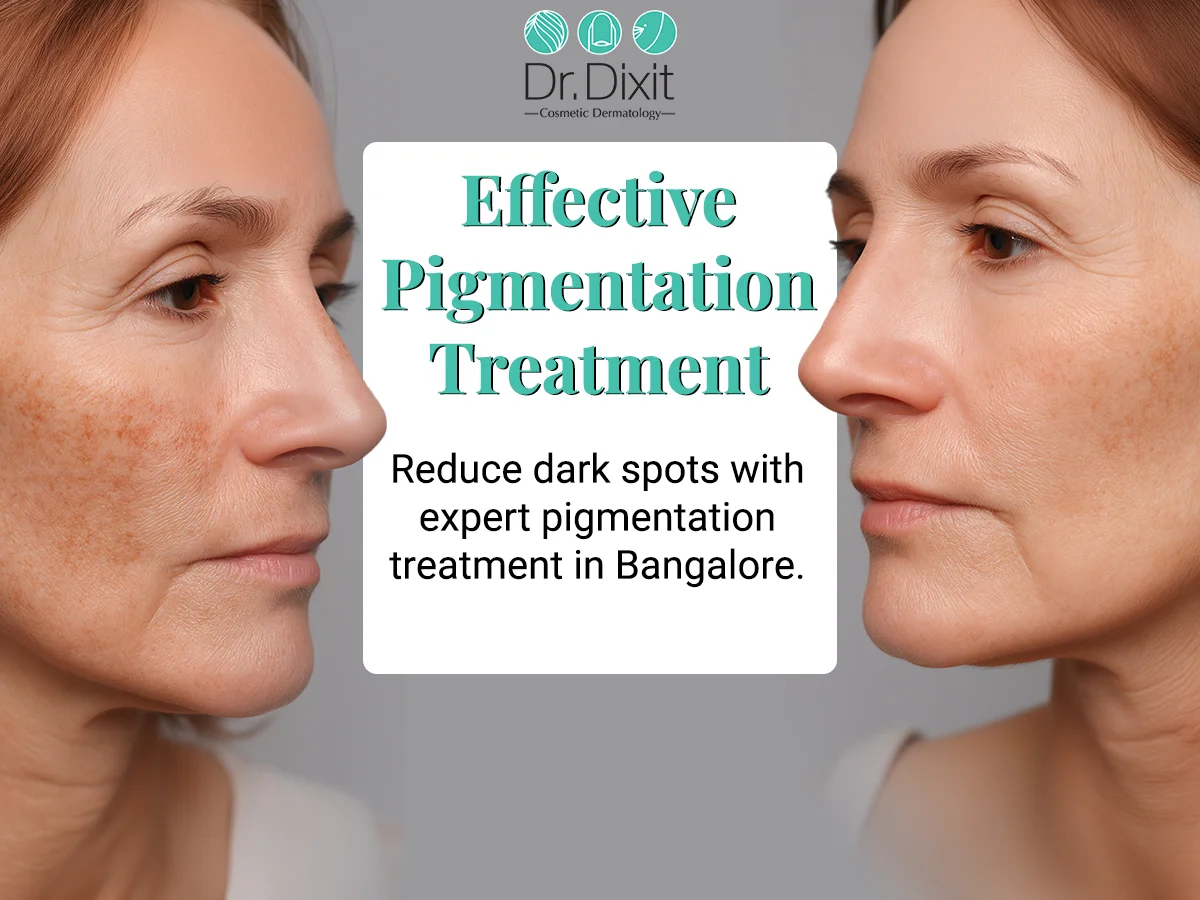
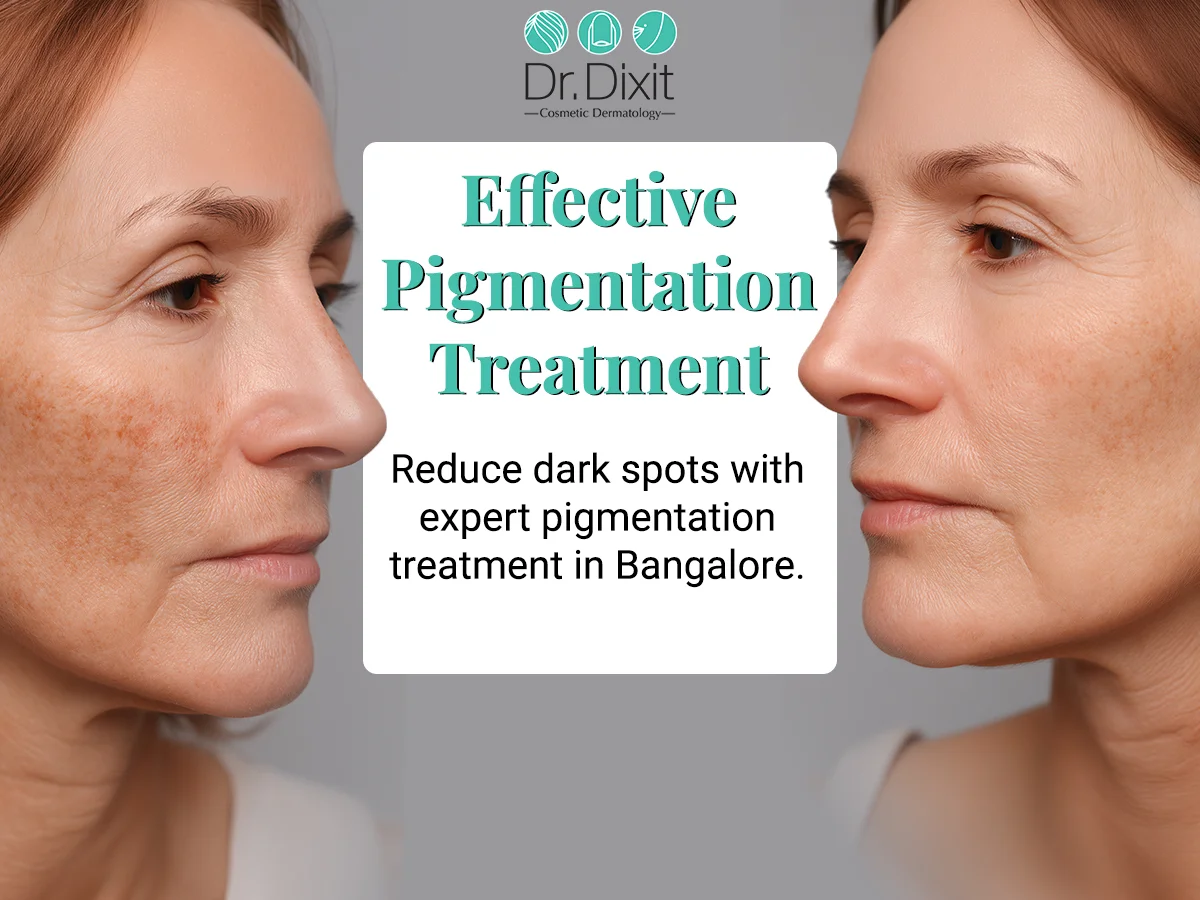
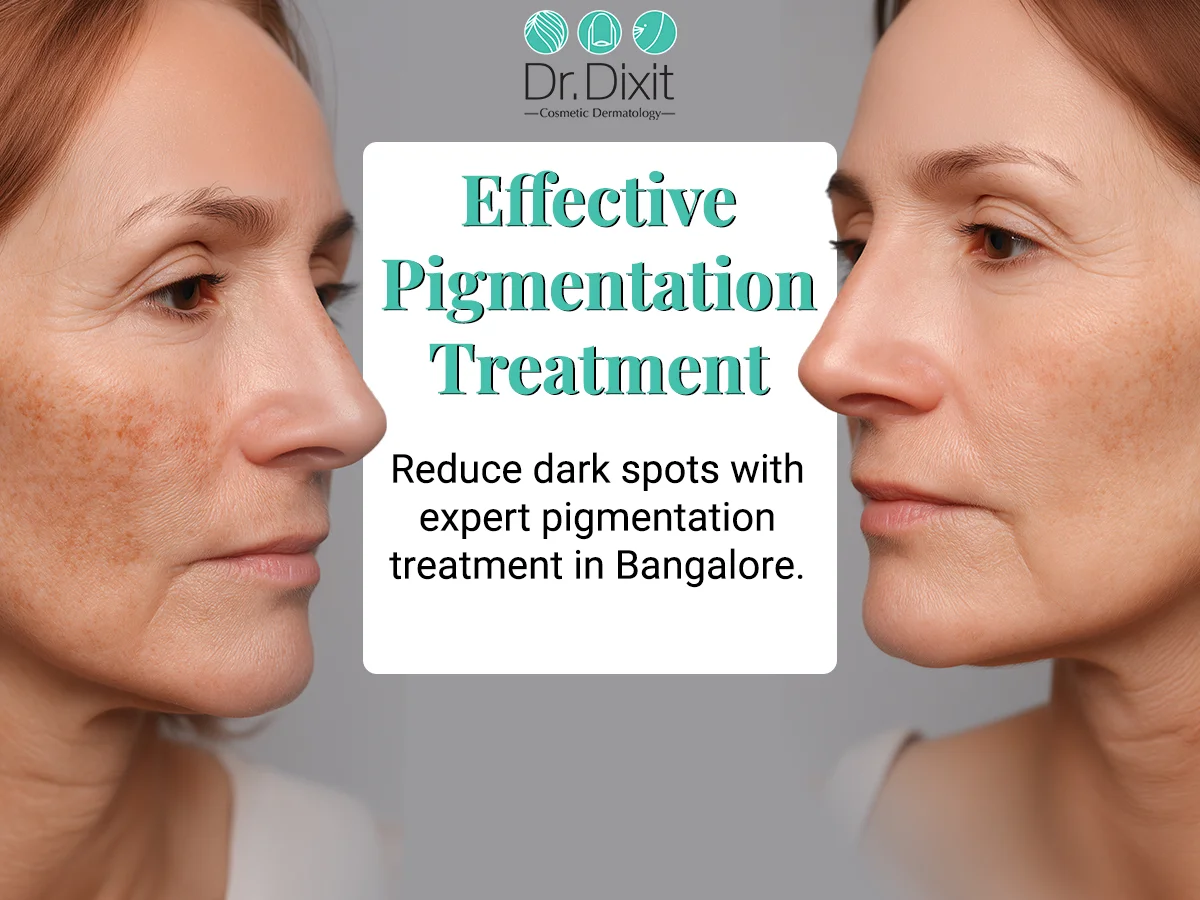
Pregnancy brings hormonal shifts which can affect the skin in many ways. It can lead to brown, greyish-brown, or dark patches on the forehead, cheeks, chin, nose, and upper lip. These are characteristic features of melasma, a type of hyperpigmentation, known to many as “mask of pregnancy”.
Most women who develop melasma patches have their patches fading post-childbirth. But others still struggle with patches that may become more prominent and cause an uneven complexion, shares Dr. Rasya Dixit, the best dermatologist and expert in providing
pigmentation treatment in Bangalore.
If you develop melasma patches, you can make a big mistake by randomly trying skin-lightening creams, natural home remedies, or harsh exfoliating products. Such actions can worsen your pigmentation by irritating the skin.
This is one of the reasons why getting a dermatologist-recommended treatment and customized, professional skincare guidance is a must.
For more details, visit this page, which highlights the importance of consulting a dermatologist for melasma treatment.
Why a Dermatologist is Needed for Post-Pregnancy Melasma?
- To Confirm It's Really Melasma Patches
Not every dark patch on the skin is melasma. Melasma develops when the hormonal fluctuations during and after pregnancy stimulate melanocytes to produce more melanin- the skin coloring pigment. Its triggers could be heat, UV or visible light exposure, genetic predisposition, use of certain skincare ingredients, skin irritation and inflammation, and further pregnancies or hormonal treatments.
A dermatologist can correctly diagnose the type of hyperpigmentation by assessing:
- The pigmentation pattern
- Melanin distribution
- Skin type
- Depth of pigmentation
- Possible triggers.
- To Get the Most Appropriate, Professional Melasma Treatment
Using over-the-counter skin-lightening creams without knowing their ingredients and how to use them can lead to irritated, inflamed skin, thereby worsening pigmentation.
However, a dermatologist will prescribe only suitable treatment and monitor the skin’s response. If needed, they will make necessary adjustments. This way, the treatment response will be as expected.
Dermatologist-guided topical products contain carefully selected ingredients such as Vitamin C, azelaic acid, kojic acid, and other pigment-regulating agents, and, in some cases, hydroquinone or retinoids, which must be used as per a dermatologist’s prescription.
In cases of persistent melasma patches, expert selection of the cosmetic procedure will be necessary, especially for those with melanin-rich skin tones. A dermatologist can determine the best treatment among chemical peels, Cosmelan peel, laser peel, and other advanced treatments, and select the safest parameters.
- Have Personalized Treatment and Care
Post-pregnancy melasma may not be of the same level for everyone. Some may experience mild melasma while others may have deeper melasma or mixed pigmentation. So, a dermatologist can help determine the best treatment approach based on:
- melasma depth
- previously tried treatments
- skin type, tone, and sensitivity
- level of UV protection
- breastfeeding status
- future family plans
- A tailored treatment can help avoid unnecessary effects and yield optimal results.
- Receive Detailed Guidance on Skincare and a Proper Maintenance Plan
A dermatologist will provide a detailed consultation and recommend an appropriate skincare plan.
As melasma is a chronic and recurring skin condition, even after significant fading of patches, some actions still need to be continued. So, consulting a dermatologist will lead to a long-term maintenance strategy for melasma.
The maintenance plan may include:
- Consistent photoprotection with suitable sunscreen and proper sun-protective clothing
- Identification and management of triggers
- Maintenance treatment sessions
- Regular monitoring of the treated area to assess treatment response.
When to See a Dermatologist?
Don’t just wait for the pigmentation patches to go away on their own; promptly consult a dermatologist if:
- Pigmentation stays for months after childbirth
- Patches are getting darker, spreading, or returning often
- Home remedies or over-the-counter products are not safe and effective
- Breastfeeding and requiring safe treatment guidance
- Considering cosmetic procedures.
An early consultation can help your melasma patches disappear sooner and even avoid their recurrence or worsening.
Conclusion
Post-pregnancy melasma may persist and bother some women. If you are developing pigmented patches on your face after pregnancy, go for a carefully planned treatment approach.
Consult a highly experienced dermatologist to confirm your skin concern, identify its triggers, receive the most appropriate, timely treatment, receive guidance on safe treatment, and develop a long-term maintenance plan.If you are looking for the best melasma treatment, consult our expert, Dr. Rasya Dixit, the best dermatologist in Bangalore, at Dr. Dixit Cosmetic Dermatology Clinic today.
Go through a personalized assessment and receive a tailored, affordable treatment plan for safe and effective management of your melasma.