Sign up with Google
 Sign in with Zoho

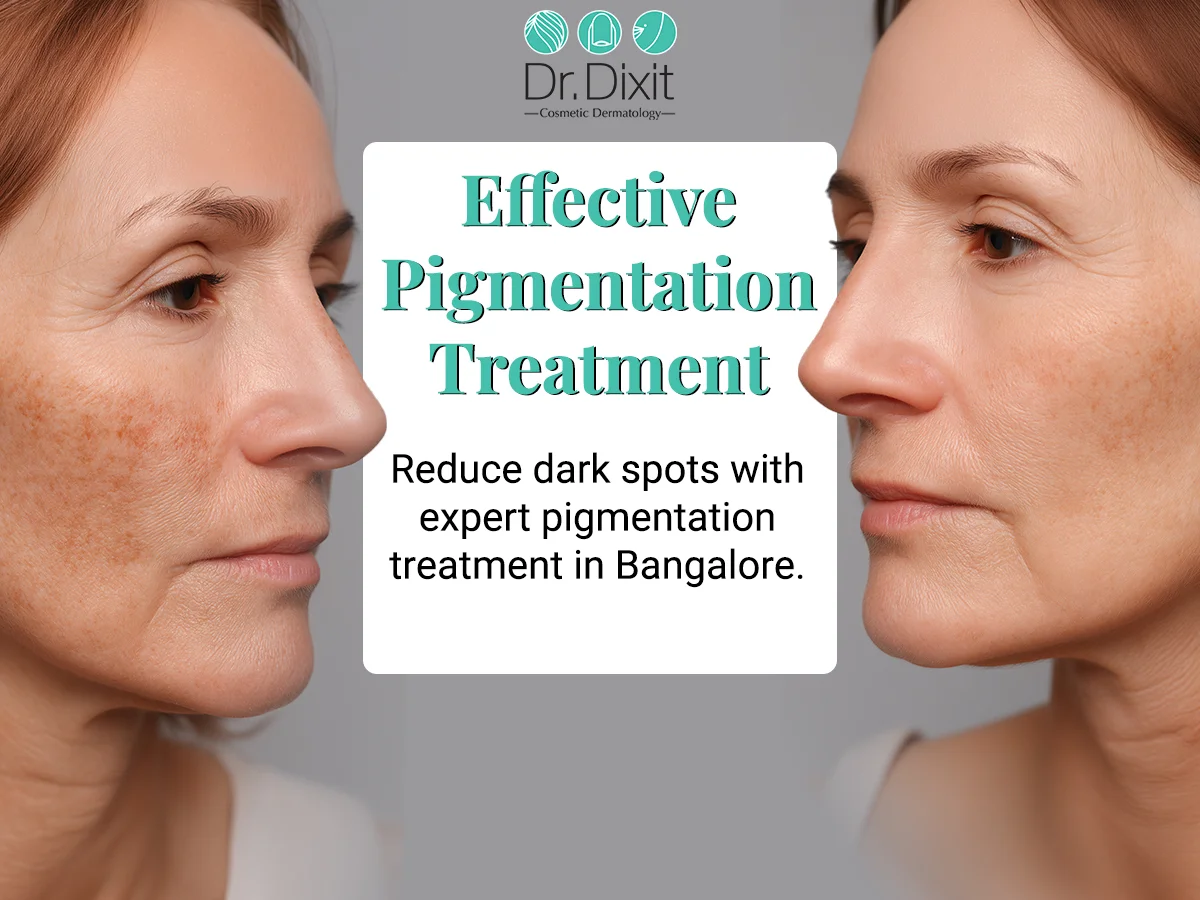
When people search for pigmentation treatment in Bangalore, they often expect a single answer: one cream, one laser, one peel. The reality is more nuanced. Pigmentation covers several very different types of discolouration, each with its own cause, depth, and treatment requirement. What works for one type can actually worsen another. This is precisely why a dermatologist's assessment before any treatment is the starting point, not an optional step.
Why Pigmentation Varies So Much
Pigmentation refers to any condition where melanin, the pigment that gives skin its colour, is produced unevenly or in excess. But melanin can be triggered for different reasons, and those reasons determine where the pigmentation sits in the skin and how it responds to treatment.
A dermatologist identifies the type first, then selects the appropriate tool. Applying the same treatment to all pigmentation types is one of the most common reasons people cycle through products and procedures without seeing lasting results.
The Main Types of Pigmentation and How They Differ
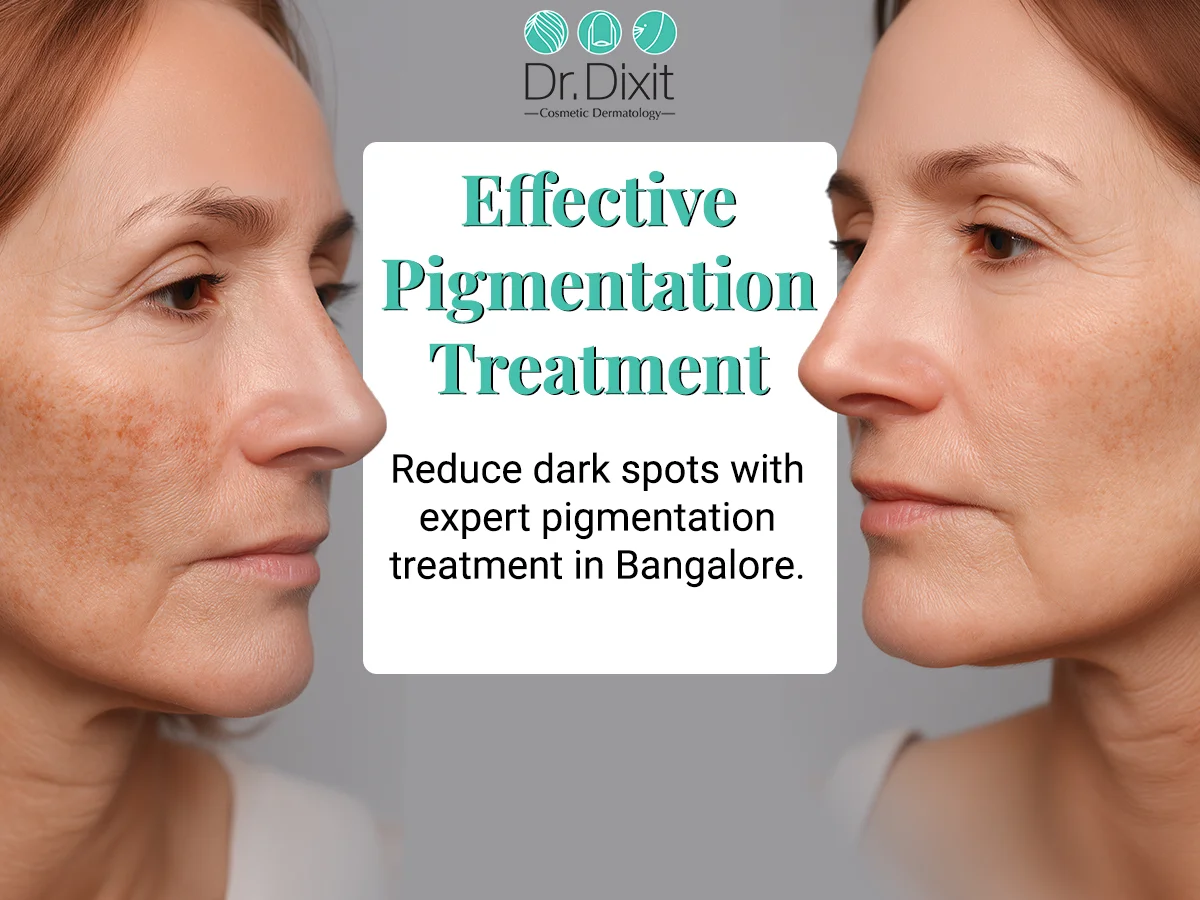
1. Melasma is one of the most common and most challenging types. It appears as grey-brown patches on the cheeks, forehead, or upper lip and is strongly linked to hormonal changes. It sits in the deeper layers of the skin (dermis), which makes it resistant to surface treatments. Melasma often worsens with sun exposure, aggressive procedures, and heat. It requires a careful, gradual approach.
2. Sun spots and solar lentigines are caused by cumulative UV damage. They appear as flat, well-defined brown spots on areas regularly exposed to the sun. These respond well to laser toning and targeted treatments when approached correctly.
3. Post-inflammatory hyperpigmentation (PIH) develops after any skin trauma or inflammation, including acne, cuts, or even harsh skincare. It can be superficial or deep depending on how severe the original inflammation was. Superficial PIH generally responds better and faster than deeper PIH.
4. Freckles are small brown spots, often genetic, that darken with sun exposure. They are generally superficial and respond well to targeted treatment.
5. Periorbital pigmentation (dark circles) has multiple causes including genetics, vascular issues, and skin laxity. Because the cause varies, it is treated differently from patch-type pigmentation on the cheeks.
How a Dermatologist Evaluates Your Pigmentation
Before recommending any treatment, a dermatologist assesses:
- The type and depth of pigmentation using tools such as dermatoscopy or Wood's lamp examination
- The cause: hormonal, UV-related, inflammatory, or genetic
- The patient's skin type on the Fitzpatrick scale, which affects how aggressively the skin can be treated
- Current skincare habits and any products that may be contributing to the problem
- History of prior treatments and any reactions
This evaluation takes time but determines everything about the treatment plan that follows.
Why Treating Melasma Requires Extra Caution
Melasma is one of the most frequently mismanaged pigmentation conditions. Many people try aggressive laser settings or strong chemical peels expecting faster results. But melasma is heat-sensitive and inflammation-sensitive. Aggressive treatment can trigger a rebound effect, making it darker than before.
Low-intensity laser toning, gradual peel protocols, and strict sun protection form the foundation of any melasma treatment plan. Patience produces better outcomes than speed.
The Treatments Used at Dr. Dixit Cosmetic Dermatology
At Dr. Dixit Cosmetic Dermatology in Koramangala, Bangalore, treatment is matched to the specific type and depth of pigmentation. The clinic uses the Chrome Quanta laser system from Italy, powered by a Q-switched 1064/532 nm Nd:YAG laser for targeted precision on Indian skin.
Treatments include:
- Q-switched Nd:YAG laser: Breaks down melanin deposits at different skin depths. Particularly effective for freckles, sun spots, and post-inflammatory marks
- Laser toning: Uses low-intensity laser passes to gradually reduce melasma and overall uneven tone without aggravating the skin
- Chemical peels: Glycolic, salicylic, or combination peels to resurface the skin and improve tone; the strength is carefully chosen based on skin type and concern
- Topical prescription agents: Kojic acid, arbutin, niacinamide, or azelaic acid used in combination with in-clinic treatments for maintained results
Pigmentation treatment cost in Bangalore at Dr. Dixit Cosmetic Dermatology depends on various factors. Most patients require 3 to 5 sessions for visible and lasting improvement.
Conclusion
Effective pigmentation treatment starts with understanding what type of pigmentation you are dealing with. The right diagnosis determines the right treatment. Getting it wrong means wasted time, wasted money, and sometimes a worse result than you started with.
If you are looking for the best dermatologist in Bangalore with over 20 years of experience in treating Indian skin and complex pigmentation concerns, Dr. Rasya Dixit at Dr. Dixit Cosmetic Dermatology offers personalised, evidence-based care. Visit the clinic to book your consultation today.