Sign up with Google
 Sign in with Zoho

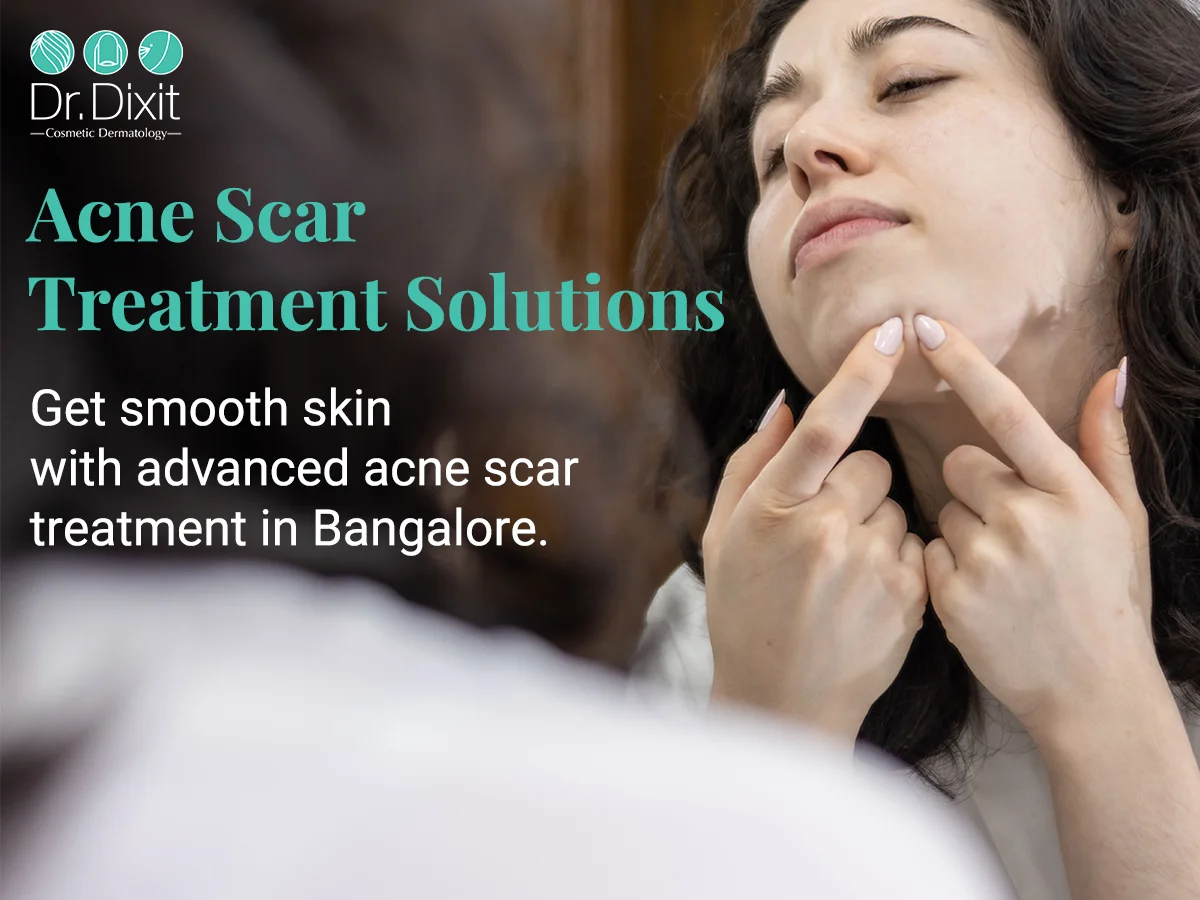
You have tried a product, maybe even a professional session or two, yet your acne scars look almost the same as before. This is one of the most common frustrations patients bring up, and more often than not, the issue is not a lack of effort. It is that the treatment was never designed for the specific type of scar you actually have. Before starting another round of acne scar treatment in Bangalore, it helps to understand why matching the treatment to the correct scar type matters so much.
Not All Acne Scars Are the Same
Acne scars are often talked about as one single category, but they actually fall into distinct types, each with a different underlying structure. Treating them all with the same approach is a bit like using one key for several different locks. It might work occasionally, but mostly it does not, which is one of the most common reasons Acne Scar Treatment In Bangalore does not deliver the results a patient was expecting.
Ice Pick Scars Need a Specific Approach
Ice pick scars are narrow, deep, and go far into the skin, resembling small puncture marks. Because of their depth, surface-level treatments often barely touch them. These scars typically respond better to techniques that address deeper tissue, and using a mild resurfacing treatment alone often leaves them largely unchanged.
Boxcar Scars Behave Differently
Boxcar scars are wider with sharply defined edges, creating a somewhat pitted appearance. These often respond well to a combination of resurfacing and volume-restoring techniques, since the issue involves both texture and a loss of underlying support in that specific area.
Rolling Scars Involve Tethering Beneath the Skin
Rolling scars create a wavy, uneven texture and are often caused by fibrous bands pulling the skin down from beneath. Treating only the surface, without addressing this underlying tethering, usually results in minimal improvement, since the actual cause of the unevenness remains untouched.
Post-Inflammatory Marks Are Not True Scars
Flat, discoloured marks left behind after acne heals are often mistaken for textured scarring, but they are actually a pigmentation concern rather than structural scarring. These respond to a completely different category of treatment, and using scar resurfacing techniques on them is unlikely to help much.
Why Mismatched Treatment Feels Like No Progress at All
When the wrong treatment is used, it is not that nothing happens. Skin may look slightly smoother or feel different temporarily, but the core structural issue causing the scar remains unresolved. This often leaves patients feeling like their scars are simply untreatable, when the real issue was a mismatch between the scar type and the chosen treatment.
Why a Visual Assessment Alone Is Often Not Enough
Scars can sometimes look visually similar from a distance while being structurally very different underneath. A proper evaluation, often involving close examination under good lighting and sometimes gentle stretching of the skin, helps identify the actual scar type, something that is difficult to assess accurately through self-examination alone or by comparing your skin to photos found online.
Common Signs You May Be Treating the Wrong Scar Type
A few signs suggest that your current treatment approach may not be suited to your specific scars:
- Little to no visible change after several consistent sessions
- Improvement in skin texture generally, but the deep scars remain unchanged
- Products or treatments marketed for general scarring rather than your specific type
- No professional evaluation was done before starting treatment
Why Combination Treatments Often Work Better
Since many patients have more than one type of scar present at once, a single technique often cannot address everything effectively. Combining approaches, such as resurfacing alongside volume restoration or techniques targeting tethering, tends to produce more noticeable improvement than relying on one method alone.
Getting the Right Diagnosis Before Trying Again
Since acne scars vary so significantly in structure and cause, identifying the exact type present is the essential first step before choosing any treatment. Dr. Rasya Dixit, who holds MBBS and MD in Dermatology, examines scar type and depth carefully at Dr Dixit Cosmetic Dermatology before recommending a treatment plan suited to your specific case.
If your scars have not improved despite previous attempts, it is worth consulting a skin specialist in Bangalore for a proper evaluation, since the right diagnosis often makes far more of a difference than switching to yet another generic product.