Sign up with Google
 Sign in with Zoho


A home should evolve with the people who live in it. Design trends for 2026 reflect that idea more than ever. Instead of chasing flashy styles that fade within a season, homeowners are leaning toward thoughtful spaces that balance comfort, efficiency, and personality. The focus has shifted from decorating rooms to creating environments that feel adaptable, welcoming, and practical for everyday life. This approach doesn't reject creativity. It simply values choices that remain enjoyable for years rather than months.
Design preferences are also becoming more intentional. People are paying closer attention to how materials feel, how lighting changes the mood of a room, and how furniture supports daily routines. The result is a fresh direction that celebrates quality over quantity and encourages homes to become more personal without feeling overcrowded.
Warm Natural Materials Take Center Stage
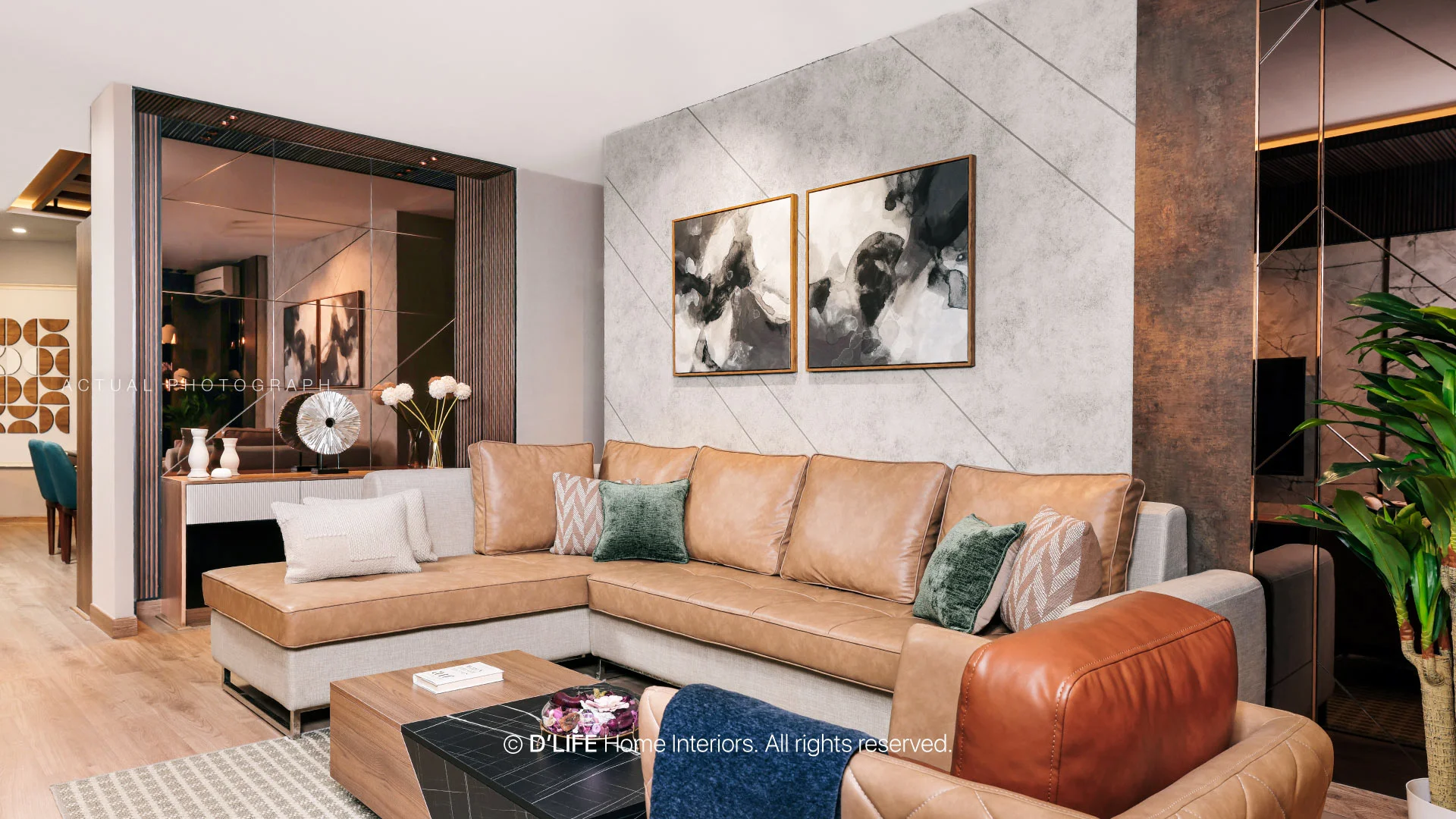
Natural finishes continue to gain popularity because they create spaces that feel calm and inviting. Wood, stone, clay, and textured fabrics introduce warmth without overwhelming a room. Instead of perfectly polished surfaces, homeowners are embracing subtle imperfections that give interiors genuine character.
These materials also age gracefully. Rather than looking outdated after a few years, they often become more attractive as they develop texture and depth.
- Light and medium-toned wood creates a welcoming atmosphere.
- Natural stone adds timeless visual interest.
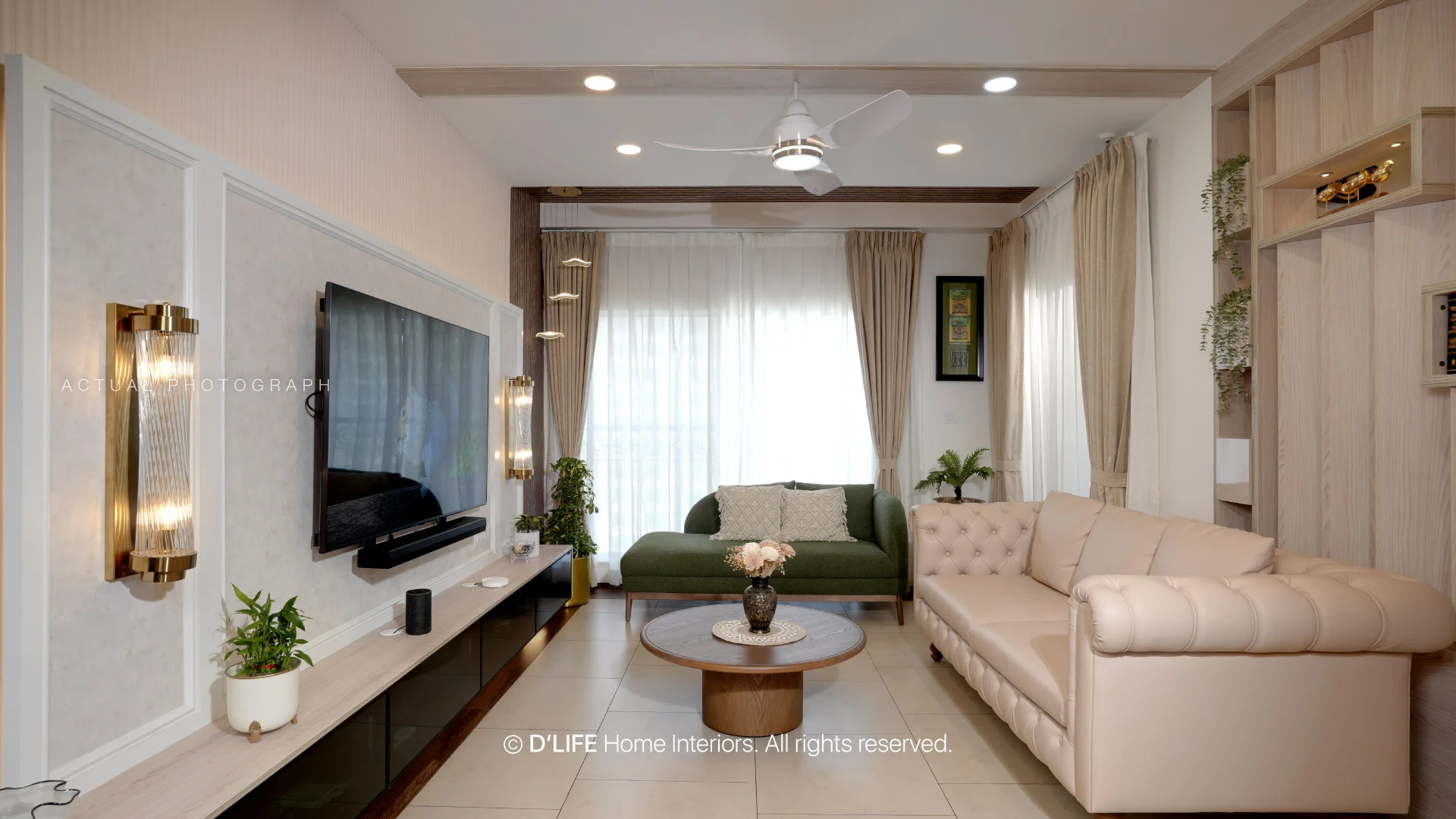
- Linen and cotton fabrics improve comfort while maintaining elegance.
- Handmade ceramic décor introduces individuality.
- Matte finishes replace overly glossy surfaces for a softer appearance.
Flexible Spaces Shape Everyday Living
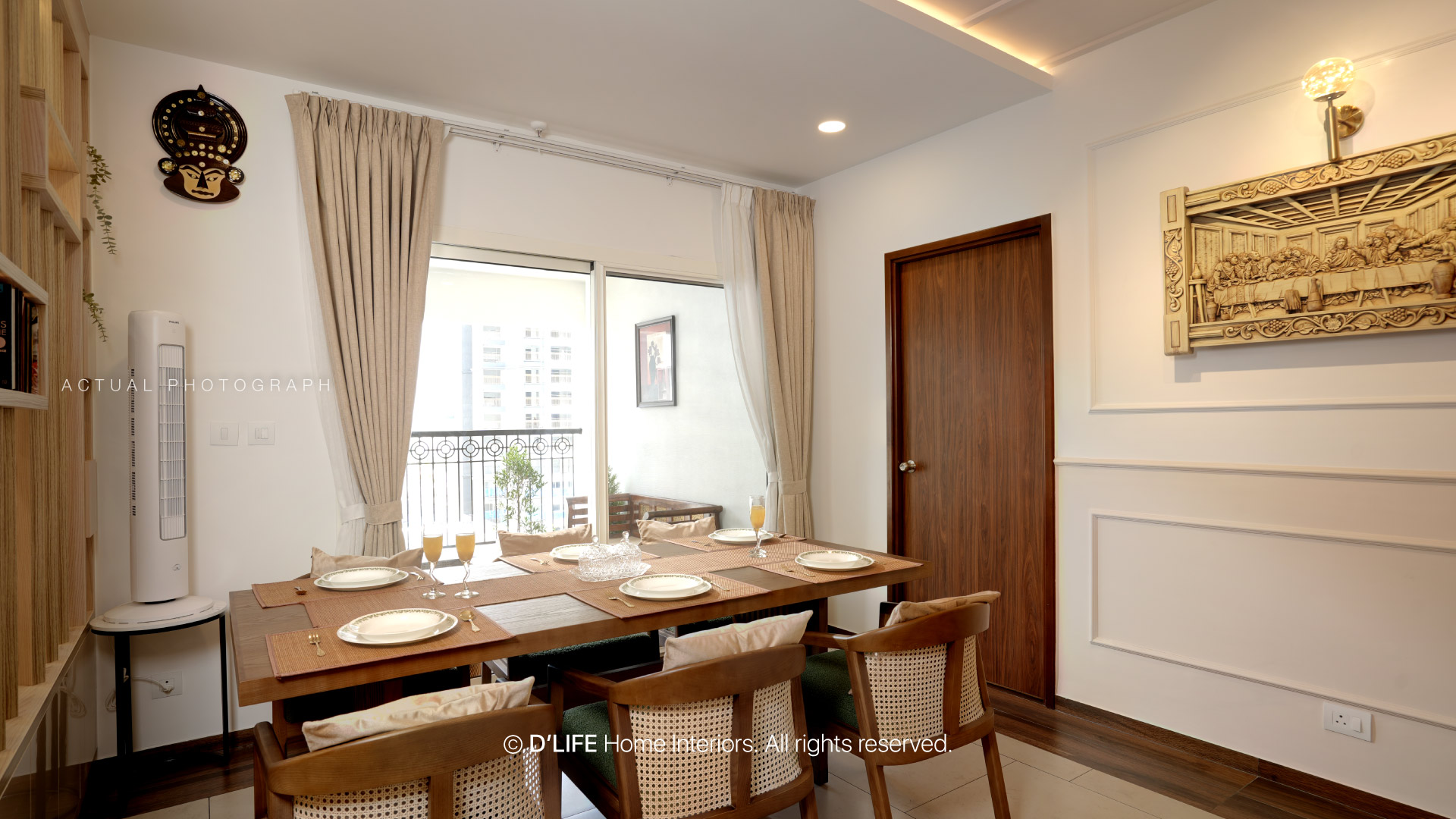
Modern homes rarely serve a single purpose. A dining area may become a workspace during the day, while a guest room can double as a hobby studio. Designers are responding by creating layouts that adapt without sacrificing style.
Flexible interiors reduce the need for constant renovations. Instead of rebuilding spaces, homeowners can simply rearrange furniture or adjust storage to suit changing lifestyles.
- Modular furniture offers multiple seating and storage options.
- Foldable tables maximize available floor space.
- Sliding partitions create privacy when needed.
- Built-in storage keeps frequently used items organized.
- Multipurpose rooms support work, relaxation, and entertainment.
Rich Colors Replace Plain Minimalism
Neutral interiors aren't disappearing, but they're becoming more expressive. Instead of relying entirely on white and gray, homeowners are introducing deeper colors that bring warmth and personality. Earth-inspired shades remain popular, while jewel tones appear as striking accents throughout the home.
Color is now used with greater confidence. Rather than covering every wall, many people highlight selected areas to create visual balance.
- Forest green complements natural materials beautifully.
- Terracotta adds warmth without feeling overpowering.
- Deep navy creates sophisticated contrast.
- Soft olive works well across different design styles.
- Muted burgundy introduces richness to furniture and accessories.
Smart Features Blend Into the Background
Technology continues to improve modern living, but visible gadgets no longer define a stylish home. Instead, smart systems are becoming discreet, allowing convenience without disrupting the overall design.
Hidden technology supports comfort while preserving clean interiors. Lighting, climate control, and security systems now work quietly in the background, making everyday routines simpler.
- Automated lighting adjusts to different times of day.
- Smart thermostats improve energy efficiency.
- Concealed charging stations reduce cable clutter.
- Voice-controlled systems simplify daily tasks.
- Integrated security features provide peace of mind.
What's Losing Popularity in 2026
Every design trend has a lifecycle. Several once-popular choices are gradually disappearing because they no longer match today's priorities. Homeowners now prefer spaces that feel balanced and authentic instead of overly themed or excessively decorative.
Large collections of matching furniture are giving way to carefully selected individual pieces. Overly shiny finishes are becoming less desirable because they often create a cold atmosphere. Excessive open shelving is also losing appeal as people recognize the importance of concealed storage for maintaining a tidy home.
- Oversized decorative elements that dominate small rooms.
- All-white interiors lacking warmth and texture.
- Furniture sets with identical designs throughout the house.
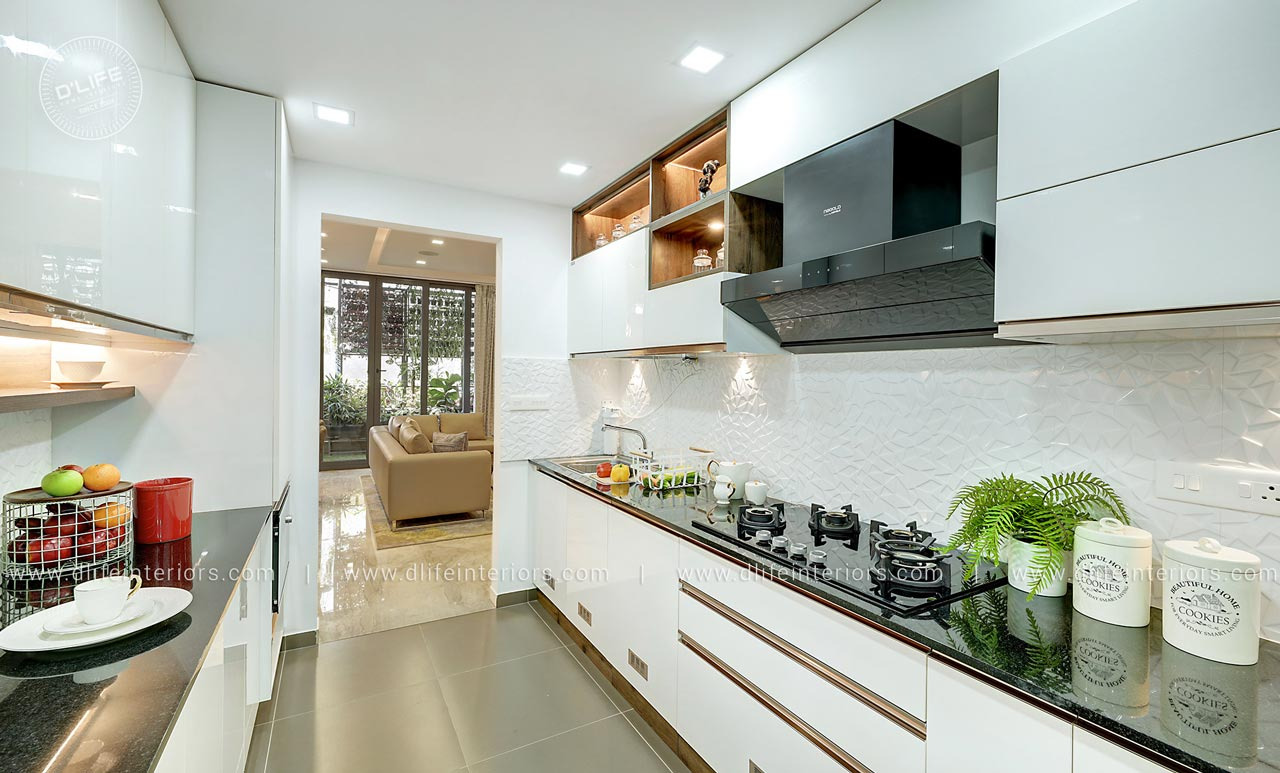
- Excessive glossy finishes on walls and cabinets.
- Decorative items purchased only to follow temporary trends.
Creating a Home That Lasts Beyond Trends
Following design trends doesn't mean changing everything each year. The strongest interiors combine timeless foundations with carefinterior ully selected updates that reflect current preferences. Choosing durable materials, comfortable furniture, thoughtful lighting, and adaptable layouts creates spaces that continue to feel fresh long after trends evolve.
Small improvements often make the biggest difference. Replacing outdated lighting, introducing natural textures, refreshing color palettes, or improving storage can transform an interior without requiring a complete renovation. A well-designed home supports everyday living while expressing personal taste in a balanced way. For homeowners planning future renovations, consulting experienced interior designers in chennai can help translate emerging design ideas into practical spaces that remain functional, elegant, and relevant well beyond 2026.