Sign up with Google
 Sign in with Zoho

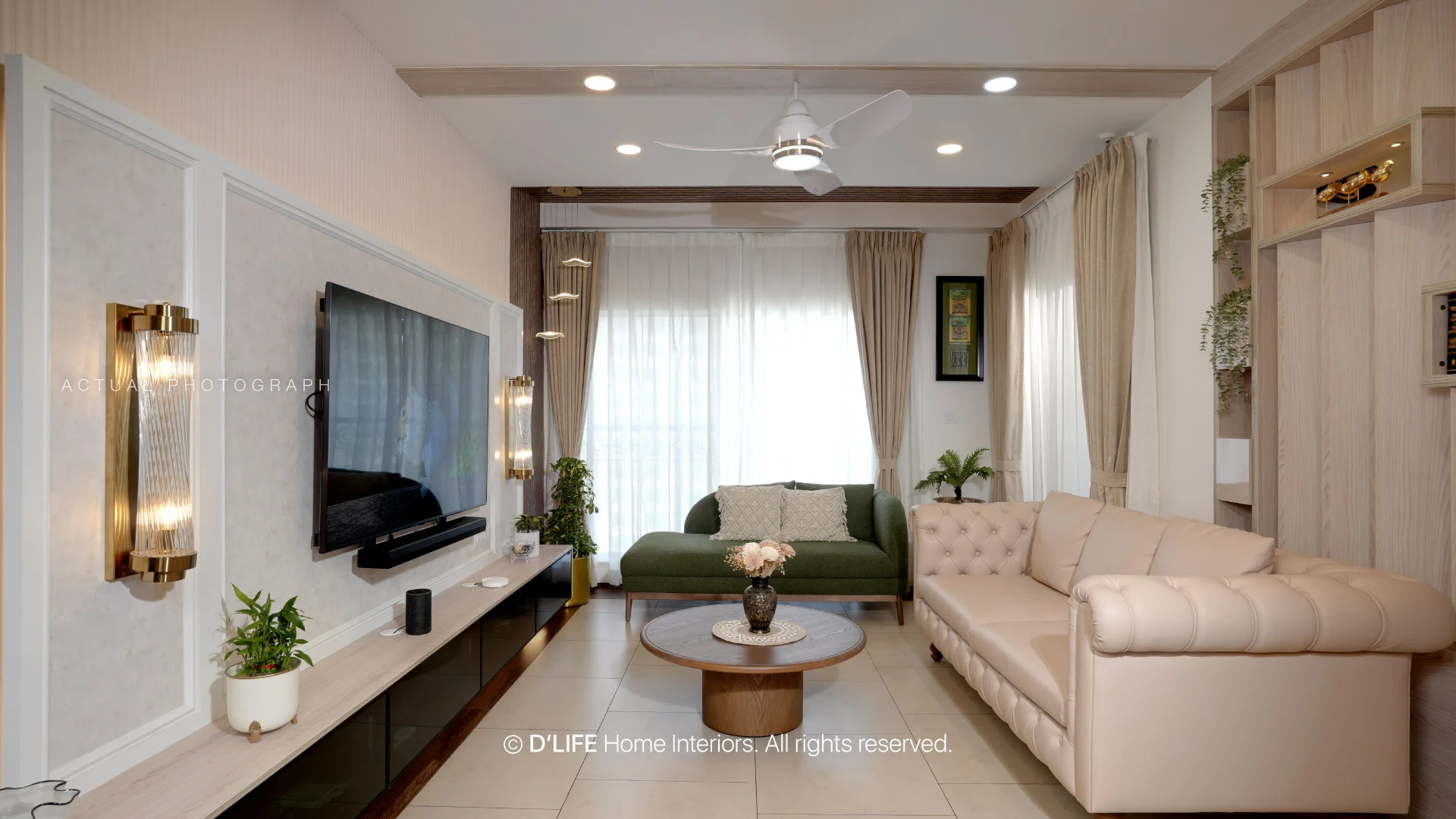
A contemporary home doesn't need to follow one strict design formula. The strongest spaces usually combine clean proportions, practical layouts, thoughtful materials, and a clear sense of personality. Modern interior design gives homeowners plenty of room to experiment while keeping the overall space comfortable and visually balanced.
Choosing the right style becomes easier when you understand how each approach affects lighting, furniture, colours, storage, and everyday movement. Some styles create a calm retreat, while others bring warmth, character, or a more dramatic visual identity. Here are seven modern interior styles compiled by our interior designers in Coimbatore you can consider for a contemporary home.
1. Minimalist Interior Design
Minimalism works especially well when you want your home to feel open, calm, and uncluttered. The focus isn't simply on owning fewer things. Good minimalist design gives every visible element a reason to exist.
A restrained palette and simple furniture allow architectural details to stand out without making the rooms feel empty.
- Choose furniture with clean silhouettes and limited ornamentation.
- Use concealed storage to keep everyday items out of sight.
- Combine subtle textures so neutral rooms don't appear flat.
- Leave enough open space around major furniture pieces.
2. Scandinavian Interior Design
Scandinavian interiors bring together simplicity and warmth. Instead of creating a stark environment, this style uses natural materials, soft colours, comfortable furniture, and generous daylight to make rooms feel welcoming.
It's particularly useful for contemporary homes where functionality matters as much as appearance.
- Use pale woods, warm whites, beige, and muted earthy shades.
- Select practical furniture with soft, uncomplicated forms.
- Add woven fabrics, rugs, and cushions for visual warmth.
- Keep windows relatively unobstructed to maximise natural light.
3. Japandi Interior Design
Japandi combines Japanese restraint with Scandinavian comfort. The result feels refined without becoming overly formal. Natural textures, low visual clutter, and carefully selected furniture create an atmosphere that feels peaceful and intentional.
The style works best when materials and proportions receive more attention than decoration.
- Pair timber finishes with stone, linen, ceramic, or other tactile materials.
- Choose low-profile furniture with simple geometric shapes.
- Keep decorative objects limited and purposeful.
- Use warm neutral colours rather than excessive contrast.
4. Industrial Interior Design
Industrial interiors take inspiration from workshops, warehouses, and urban architecture. Exposed materials become part of the visual character instead of being hidden behind decorative finishes.
A contemporary interpretation can soften the harder elements with comfortable furniture, layered lighting, and warmer textures.
- Combine metal, concrete, timber, and glass thoughtfully.
- Introduce softer fabrics to balance harder surfaces.
- Use statement lighting to reinforce the architectural character.
- Avoid filling the room with industrial accessories that add little function.
5. Modern Luxury Interior Design
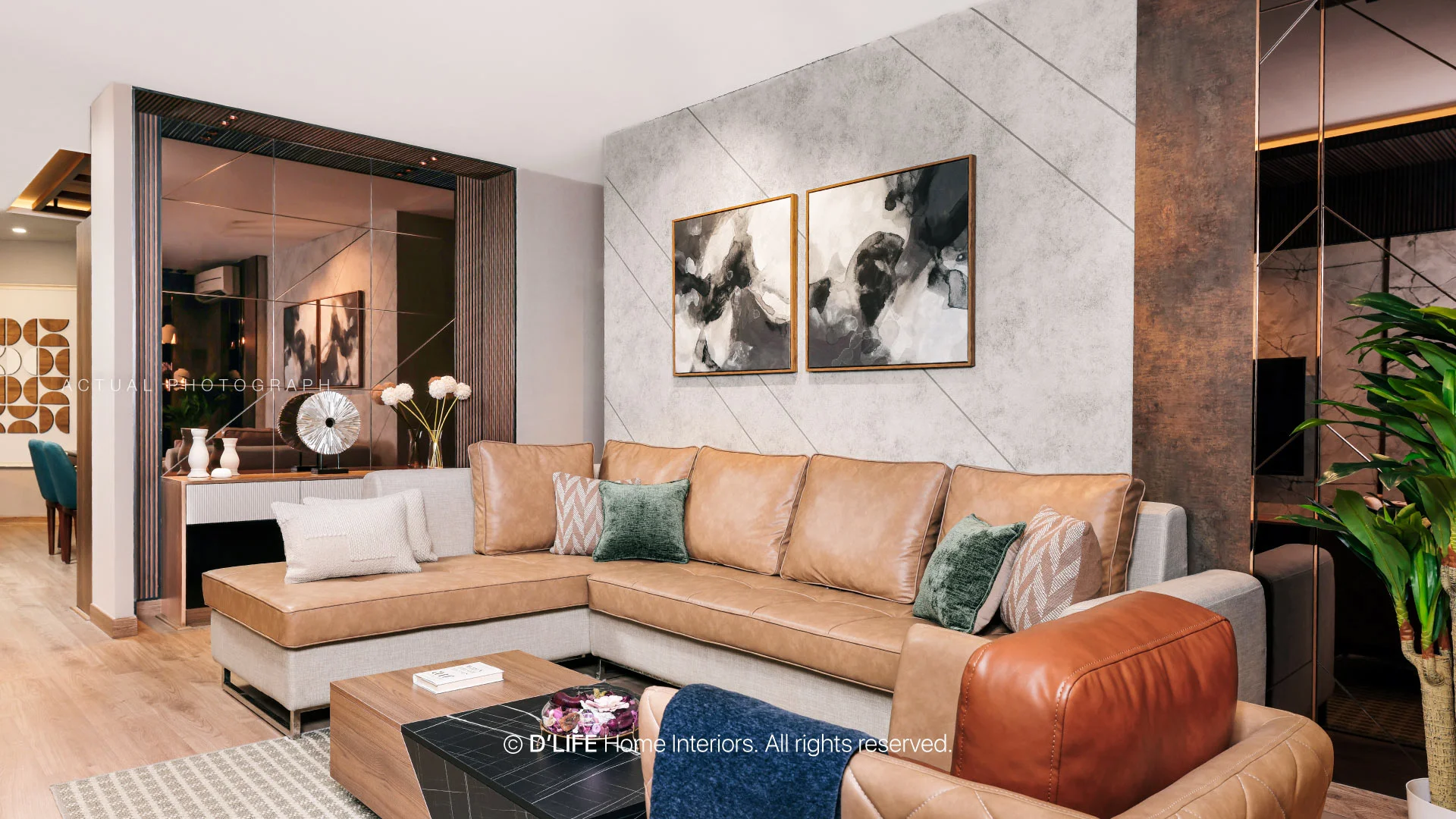
Modern luxury doesn't depend on excessive decoration or expensive-looking objects. It comes from proportion, craftsmanship, material quality, lighting, and visual consistency.
A well-designed luxury interior can feel sophisticated while remaining comfortable enough for everyday living.
- Choose a controlled palette with one or two stronger accents.
- Use layered lighting instead of relying on a single ceiling fixture.
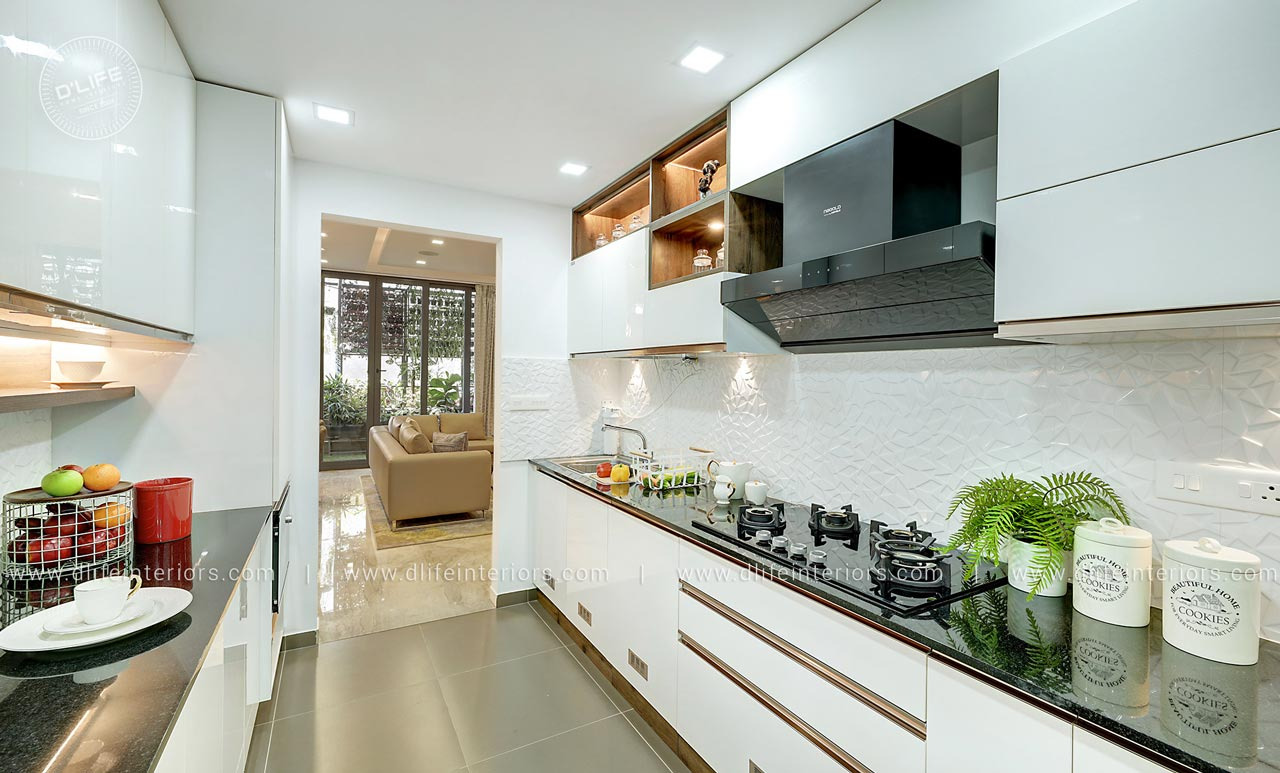
- Select high-quality finishes for focal areas such as kitchens and living rooms.
- Keep decorative elements selective so premium materials remain noticeable.
6. Contemporary Biophilic Interior Design
Biophilic design brings natural influences into modern interiors. Plants are only one part of the approach. Daylight, timber, natural textures, earthy colours, and connections between indoor and outdoor areas can all contribute to the feeling.
This style can make highly modern homes feel softer and more connected to nature.
- Add indoor plants suited to the available light and maintenance routine.
- Introduce natural wood and stone where practical.
- Use earthy greens, browns, creams, and muted neutrals.
- Prioritise daylight through thoughtful window treatments and layouts.
7. Modern Transitional Interior Design
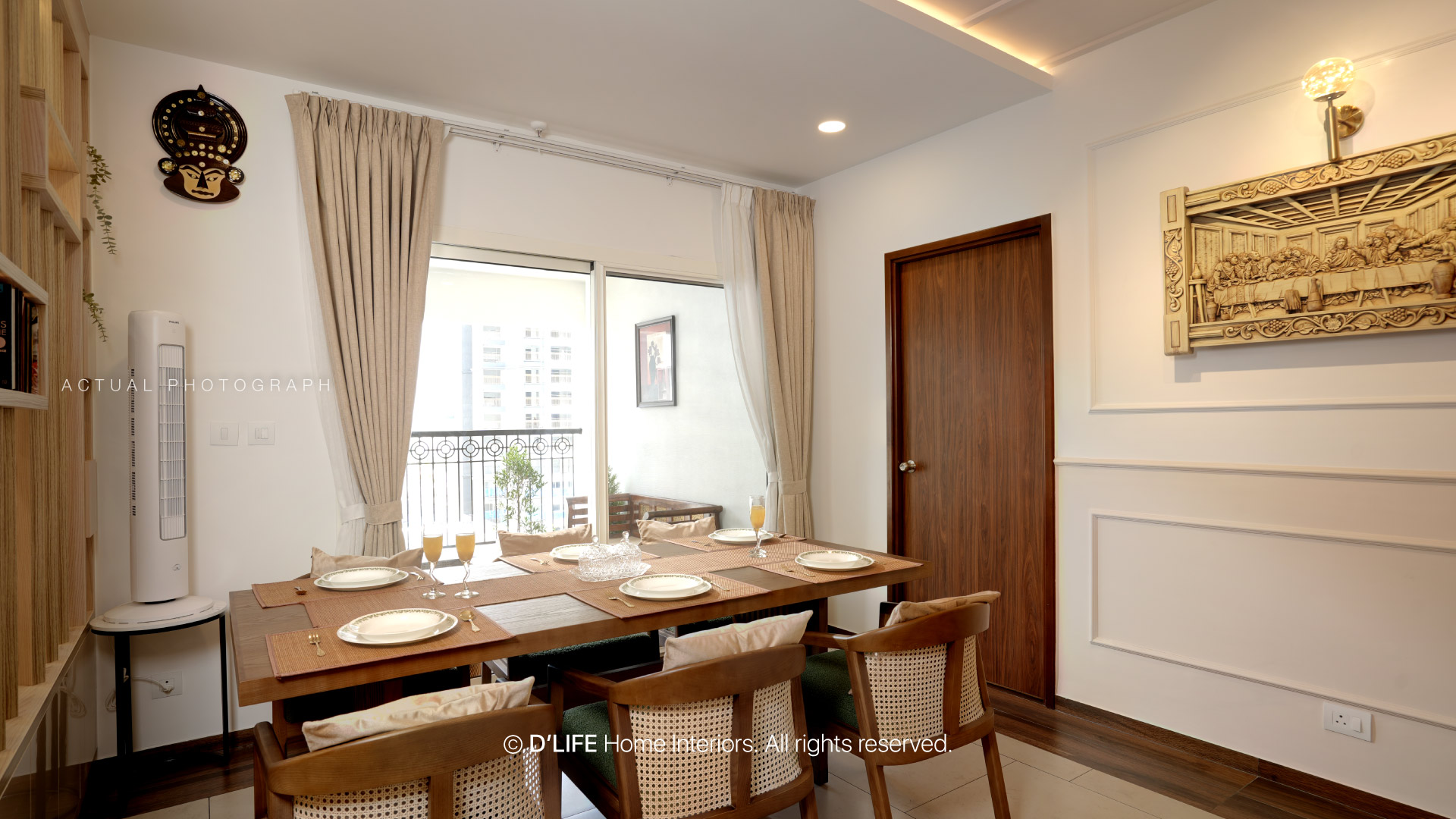
Transitional design sits between traditional comfort and modern simplicity. It suits homeowners who appreciate contemporary spaces but don't want their interiors to feel overly stark or trend-driven.
The key is balance. Classic shapes can work alongside modern finishes when the colours, proportions, and materials remain coordinated.
- Mix streamlined furniture with a few timeless design details.
- Keep patterns restrained and use them as controlled accents.
- Combine contemporary lighting with traditional-inspired furniture forms.
- Repeat selected materials or colours to create visual continuity.
Choosing the Right Modern Style
The best interior style should support the way you actually live. A visually impressive room can quickly become frustrating if its storage, lighting, furniture arrangement, or maintenance demands don't match your routine.
Before selecting finishes, consider how your household uses each space and which features need to perform harder than others. Families may benefit from durable surfaces and hidden storage, while smaller homes often gain more from visual simplicity and multifunctional furniture.
For homeowners planning a professionally designed space, working with Interior designers in Coimbatore can also help translate a preferred style into practical layouts, material choices, and room-specific solutions.
Final Thoughts
Modern interior design works best when style follows function rather than competing with it. Minimalist, Scandinavian, Japandi, industrial, luxury, biophilic, and transitional approaches each offer a different way to shape a contemporary home.
You don't have to reproduce one style perfectly. Select the principles that suit your lifestyle, combine them thoughtfully with guidance from a team of professional interior designers in India to create rooms that still feel relevant after passing trends have faded.