Sign up with Google
 Sign in with Zoho

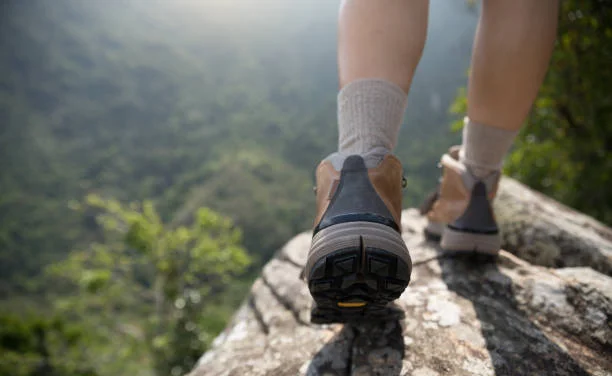
Long days on the trail test more than just your willpower. Your feet usually take the biggest beating of all. Every single step means pressure, friction, and impact, over and over again, for hours on end.
Put in eight hours of walking with the wrong boots, the wrong socks, or a pace that's just a bit too aggressive, and things can go downhill fast. What starts as a minor rub can turn into a genuinely painful injury before you even realize what's happening.
This matters even more on something like the K2 Base Camp Trek, where the terrain doesn't cut you any slack and your feet end up carrying a lot of the load. A little preparation goes a long way toward avoiding problems you really don't want to deal with halfway up a mountain.
The good news? Looking after your feet isn't complicated or gear-heavy. It really comes down to the basics: decent footwear, staying dry, catching problems early, and pacing yourself sensibly.
Get Your Footwear Right First
Everything else builds on this. Pick your boots or shoes based on the terrain you'll actually be walking, the weather, how much weight you're carrying, and, most importantly, how they fit your feet.
And whatever you do, don't show up to a long trek in brand-new boots. Untested footwear tends to create pressure points before your feet get a chance to adjust to them.
Get the Fit Right
Your toes need room to wiggle, but your heel shouldn't be sliding around, especially on the ups and downs. Always try boots on with the same socks you plan to trek in, and ideally later in the day, since feet tend to swell a bit as the day goes on, so morning-fit boots can feel different by evening.
Walk around on a few different surfaces before you commit. Pay close attention to any rubbing near the heel, toes, or sides, since that's usually where trouble starts.
Think About the Terrain
Rocky, technical trails call for sturdy boots with real grip. Wet or uneven ground often means you need extra protection and better traction underfoot.
If the trail's relatively easy, lighter hiking shoes might do the job just fine. But heavier packs and rougher ground usually call for more support than you'd think.
Bottom line: choose your footwear for the route you're actually doing, not because a pair of boots looks tough on the shelf.
Don't Skimp on Socks
Socks do more work than people give them credit for. Moisture, friction, warmth, comfort, it's all riding on them. They deserve just as much thought as your boots.
Skip the cotton. It soaks up sweat and takes forever to dry, which is basically a recipe for blisters on a long trek.
Go for synthetic or wool-blend trekking socks instead, since they manage moisture far better. And pick the thickness based on your boots and the conditions you're expecting.
Always Pack a Spare Pair
Bring at least one extra pair for longer days. The moment your socks feel damp or heavily sweaty, swap them out.
Fresh, dry socks can make an almost immediate difference to how your feet feel, and they cut down on the prolonged moisture exposure that leads to blisters and skin irritation.
Keep your spares in a waterproof bag so they stay dry no matter what the weather throws at you.
Break Your Boots In Before You Go
Breaking in your footwear ahead of time lets you catch problems while the stakes are still low. Start with shorter walks, then gradually build up the distance and duration.
Test the Whole Setup, Not Just the Boots
Wear the socks you'll actually trek in, and carry a backpack similar to what you'll be hauling on the trip. Boots often feel noticeably different once there's real weight on your back.
Testing everything together, boots, socks, and pack, surfaces pressure points you'd otherwise only discover the hard way.
Pay extra attention to downhill stretches during your test walks. That's when your toes tend to push forward inside the boot, which is exactly where blisters and black toenails come from.
Stop Blisters Before They Happen
Blisters are basically the product of repeated friction plus moisture. And honestly, preventing one is a lot easier than dealing with one that's already formed.
Figure out which spots on your feet tend to get irritated. Heels, toes, and the sides of the feet are the usual suspects.
Use Protection Where It Counts
Blister-prevention tape or protective patches can cut down friction significantly on known trouble spots. Just make sure you test any adhesive product beforehand, since some skin reacts badly to tape it's never worn before.
If you notice unusual rubbing during a break, don't just push through it. Adjust your socks or laces right then, before it turns into something painful.
Keep Moisture Under Control
Wet feet are far more prone to friction damage and skin breakdown, so managing moisture should be a constant, not an afterthought.
Take advantage of longer breaks to air your feet out. Pull off damp socks and let everything dry before you lace back up.
Keep Your Boots as Dry as Possible
Protect your boots from rain and snow when you can, and use a waterproofing method suited to your specific footwear material.
Even so, waterproof boots can still get damp from the inside. Sweat builds up during long climbs regardless of how well-sealed the outside is.
Dry out wet boots overnight using safe methods, and never set them right up against intense heat. That can warp or damage the materials.
Lace Up According to the Terrain
Good lacing technique genuinely improves comfort and cuts down on unwanted foot movement inside the boot. Different parts of the trek might call for small lacing adjustments.
Keep your heel locked in place on descents, since it limits forward sliding and protects your toes from repeated impact. On climbs, though, avoid tying things too tight, since your feet will likely swell a bit during long stretches of activity.
Check Your Laces at Every Break
Laces loosen naturally as you walk, so give them a check whenever you stop. Retighten if needed. Your feet should feel supported, not squeezed.
While you're at it, shake out any stones or debris that snuck into your boots. Even something tiny can turn into a genuinely painful problem over several hours of walking.
Trim Your Toenails Ahead of Time
Long toenails cause real problems on downhill sections. They push against the front of your boot and can rub painfully with every step down.
Trim them a few days before your trek starts, not the night before. Cut straight across, and don't go too short, since that invites its own set of problems.
Also, don't do any major foot care right before a demanding trek. Small nicks and cuts can turn genuinely uncomfortable after hours of walking on them.
Pace Yourself Over Long Days
Your walking speed has a direct effect on how tired your feet get. Charge out too fast at the start, and you'll pay for it later, before your body's had a chance to settle into a rhythm it can sustain.
Ease into the first hour or two, and save your energy for the tougher sections further along.
Take Breaks Strategically
Regular stops give you a chance to adjust your footwear and check on your feet, small pauses that can stop minor issues from turning into serious ones.
That said, try not to sit for too long during every single break. Too much downtime can make getting moving again surprisingly uncomfortable.
Use your breaks to hydrate and check your socks. Catching a problem early can save the rest of your day.
Use Your Trekking Poles and Watch Your Technique
Poles take real pressure off your lower body and can noticeably improve your balance on rough ground.
They're especially useful on descents and tricky terrain. Good technique helps spread the effort across your whole body instead of dumping it all on your feet and knees.
On steep downhills, shorten your stride. It reduces the braking force and eases the pressure on your toes. And try to lift your feet deliberately over rocky ground rather than dragging them. It helps with balance and cuts down on stumbles.
Carry a Small Foot-Care Kit
A lightweight kit can solve small problems before they turn into big ones. Pack it around your own needs, but blister patches, medical tape, a spare pair of socks, and basic cleaning supplies cover most situations.
Deal With Hot Spots Immediately
A hot spot usually feels warm, irritated, or just off. Pay attention to it, because it can escalate quickly if ignored.
Stop at your next safe break and take a look. Remove whatever's causing the friction and get some protection on it.
Don't wait for a full blister to form. Catching it early almost always means less hassle down the line.
Look After Your Feet Once You're Off the Trail
Foot care doesn't stop when you reach camp. Recovery matters just as much, especially if you've got another long day ahead.
Get your boots and socks off as soon as you reasonably can, and let your feet air out and dry.
Check your heels, toes, nails, and soles for redness, swelling, broken skin, or blisters that might be starting.
Elevate When You Can
Propping your feet up for a bit can feel genuinely good after a long day, and it helps you unwind after carrying a heavy pack.
Gentle movement helps prevent stiffness, but skip anything aggressive if your feet already feel sore or injured. Rest matters even more when you're facing back-to-back trekking days with limited recovery time.
Know When Enough Is Enough
Persistent pain isn't something to just grit your teeth through. Push past it, and a small issue can turn into a real injury fast.
Stop and get things checked if you notice significant swelling, bleeding, severe blisters, or sharp pain, and don't hesitate to get professional medical help if anything feels serious.
Don't pop blisters just because you can. If a blister genuinely needs draining, use clean technique and proper medical guidance.
At the end of the day, your schedule matters a lot less than your health does.
Final Thoughts
Getting through consecutive long trekking days without foot problems comes down to preparation and consistent care. Start with boots that actually fit and socks that manage moisture well.
Break your footwear in properly, stay ahead of friction, adjust your laces as needed, and check your feet regularly. Pace yourself, and actually use your breaks instead of powering through.
Above all, treat small problems the moment you notice them. Feet that are looked after properly let you walk comfortably, recover faster, and take on demanding trails with a lot more confidence.