Sign up with Google
 Sign in with Zoho

Why Layering Compression Under Gym Shorts Is the Most Practical Indian Approach
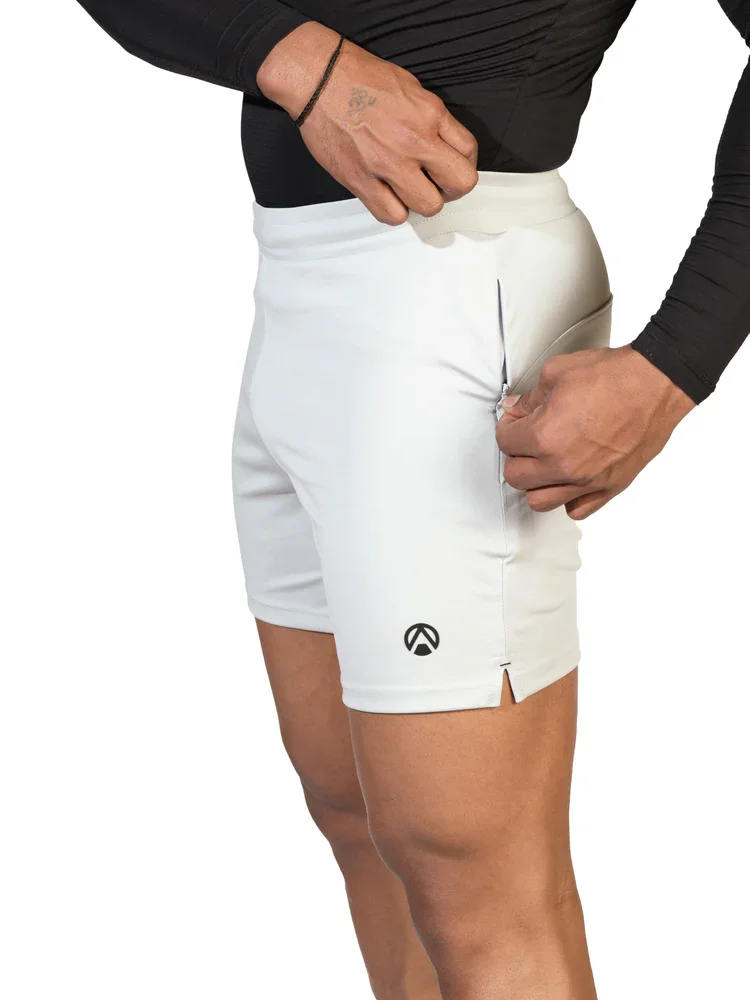
Layer smartly — compression shorts under regular gym shorts offer support without sacrificing coverage or pockets. This setup combines the close-fitting feel of compression wear with the familiar appearance and practicality of standard workout shorts. The inner layer stays close to the skin, while the outer layer provides coverage, pockets, and easier movement around a busy gym floor.
For many Indian gym-goers, that distinction matters. A neighbourhood gym in Delhi or Pune may have different clothing expectations from a premium fitness chain, while a hostel gym may have limited changing space. Wearing one layered combination from the start means you can train without needing to change clothes halfway through the session.
Compression wear can also reduce friction between the thighs during repeated movements. That becomes useful during squats, lunges, cycling, treadmill work, and high-volume leg sessions. It is not mandatory, though. If ordinary workout shorts already feel secure and comfortable, there is no physiological requirement to add another layer.
How the Layered Approach Works in Practice
Layer correctly — wear compression shorts directly against the skin and regular shorts over them. The inner layer should remain smooth rather than bunching around the groin or upper thigh. The outer shorts should have enough room to move independently without squeezing the compression layer against the body.
A useful pairing is a 5-inch or shorter compression short beneath a 7-inch outer short. The shorter inner layer normally stays hidden while the outer garment maintains a conventional training silhouette. Longer compression tights can work underneath track pants during outdoor training, but they generally add more warmth than necessary for an indoor Indian gym.
Fit matters more than the number of layers. A waistband that digs into the abdomen or leg openings that pinch during deep squats can turn a theoretically useful setup into a distraction. Walk, squat, hinge, and sit before deciding that a layered combination fits properly.
The Standard Indian Gym Layering Setup That Actually Works
Start simple — a 5-inch compression short under a 7-inch gym short suits most Indian training environments. The inner garment stays concealed, the outer layer retains usable pockets, and the two pieces can move without competing for space. This setup works particularly well for weight training because the outer short provides coverage while the inner layer stays stable during deep squats and deadlifts.
In a Mumbai commercial gym, a Bengaluru premium chain, or a Pune neighbourhood facility, the same basic combination can cover most indoor sessions. For a budget-conscious trainee, two pairs of compression shorts and two outer workout shorts can be enough to establish a rotation without buying an entire technical wardrobe.
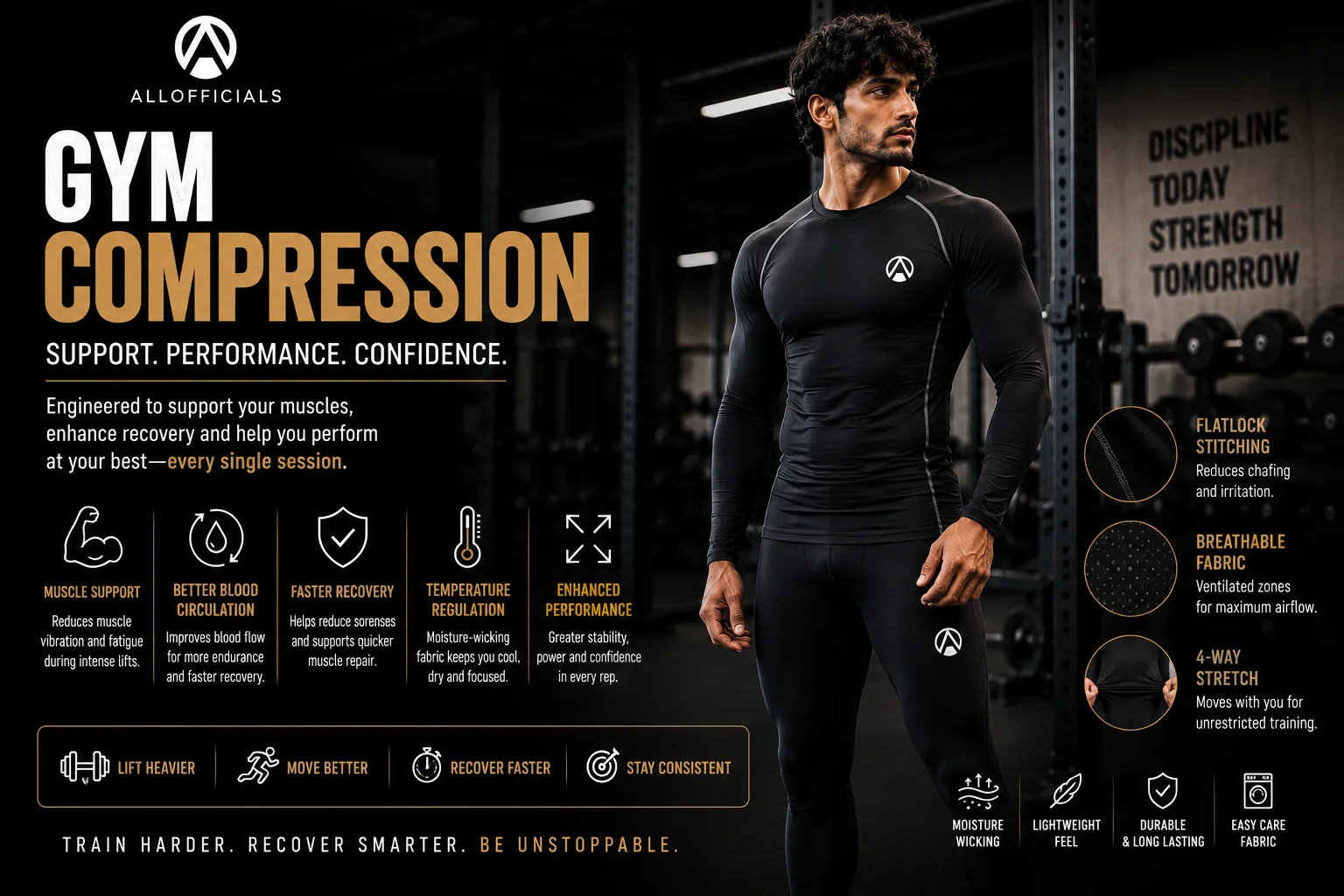
gym compression
Look for flat seams, a waistband that stays level during movement, and enough elastane for unrestricted hip flexion. A compression layer should feel supportive rather than painfully tight. If you notice numbness, tingling, chafing, or restricted movement, the fit is wrong regardless of the advertised compression level.
When to Skip the Layer in Indian Summer Conditions
Skip extra layers — extreme heat can make compression less comfortable than it is useful. During May and June, non-AC gyms in Ahmedabad, Nagpur, and Lucknow can become exceptionally warm, with outdoor temperatures exceeding 40°C during heatwaves. Indoor temperatures can also rise substantially where ventilation and cooling are limited.
Adding a close-fitting base layer under workout shorts increases the amount of fabric touching the skin. In a very hot, humid room, that can make sweat feel trapped even when the material itself dries quickly. For short, intense sessions, ordinary lightweight performance shorts may therefore be the more practical choice.
gym compression
Humidity changes the calculation further. Mumbai's monsoon conditions can make sweat evaporation feel slow even at lower temperatures, while Chennai can combine high heat with substantial humidity. On those days, reducing layers can matter more than adding support.
A simple rule works well: use the layered setup in an AC gym, during cooler months, or for demanding sessions where you genuinely prefer compression support. In a poorly ventilated room above roughly 35–38°C, test the single-layer option first.
The Post-Training Layer: When Compression Matters Most
Recover separately — compression tights can be useful after training when active exercise has stopped. Once the lifting or cardio session ends, the need for maximum ventilation decreases. Some athletes prefer changing into compression tights or another close-fitting recovery layer while travelling home or relaxing after demanding training.
That approach can be particularly practical after heavy lower-body sessions. A person leaving a gym in Bengaluru for an auto ride home, or travelling across Mumbai after a late workout, may prefer changing into a clean recovery layer rather than sitting for an extended journey in sweat-soaked training clothes.
Post-training comfort should remain the priority. Compression is not a replacement for hydration, adequate nutrition, sleep, or sensible programming. Evidence for recovery benefits exists, but effects vary between individuals and training situations.
A clean change of clothes may actually make a bigger practical difference than wearing compression for another two hours. If the original layer is saturated with sweat, changing it is the sensible move.
Building a Complete Layered Gym Kit for Indian Conditions
Build gradually — two compression shorts, two outer workout shorts, and one pair of compression tights cover most weekly needs. Five pieces provide enough rotation for someone training four to six days a week while accounting for washing and India's varied seasonal conditions.
A practical weekly kit could include two lightweight compression shorts for heavy leg or cardio sessions, two 7-inch outer shorts for general training, and one pair of compression tights for cooler outdoor sessions or post-training use. Someone who trains in a hostel gym may need fewer pieces, while a person combining gym sessions with outdoor park workouts may benefit from the additional coverage.
There is no need to spend heavily at the beginning. In India, a sensible compression pair around ₹500–₹1,200 can provide a useful starting point, provided the fabric, seams, waistband, and fit are suitable. More expensive gear may offer better construction or specialised fabrics, but price alone does not establish better performance.
Season should determine the rotation. Lightweight layers make more sense through hot summers and humid monsoons, while compression tights become more useful for winter morning runs in northern cities. A person training in an outdoor park in Delhi in January has a fundamentally different layering problem from someone lifting in an AC gym in Chennai in June.
Frequently Asked Questions
Should compression shorts be worn under regular gym shorts in India?
Yes, for most indoor training settings, this is a practical combination. The inner layer provides close-fitting coverage and support while the outer shorts maintain pockets, ventilation, and a conventional gym appearance.
How should I choose the right compression shorts inseam for layering?
Choose a 5-inch or shorter inner layer for a 7-inch outer short. The shorter inseam normally remains hidden while still covering the upper thigh and hip areas involved heavily in squats, lunges, and deadlifts.
Is layering compression under shorts too warm for Indian summer?
It can be, particularly in non-AC gyms during peak summer. In cities where indoor conditions approach or exceed 35–38°C, removing the extra layer may improve comfort more than keeping it on, while AC environments generally make layering easier.
Can compression tights replace workout shorts?
Compression tights can work for running, outdoor training, and cooler conditions, but they are not necessary for every gym session. Personal comfort, gym dress expectations, temperature, and the type of exercise should determine whether full-leg coverage makes sense.
How many compression pieces does a regular gym-goer need?
Two compression shorts are enough for most regular trainees to start a practical rotation. Add tights only if you run outdoors, train in cooler conditions, or specifically prefer them for post-training use.
Final Thoughts
A layered setup works best when each garment has a clear job. Compression wear provides the close fit and reduced friction, while outer workout shorts provide coverage, pockets, and easier adaptation between exercises and everyday movement.
Indian conditions make flexibility especially useful. Use the extra layer for demanding sessions, cooler weather, and AC gyms; remove it when extreme heat and humidity make additional fabric uncomfortable. Before buying more equipment, test one pair through a full squat session, a sweaty commute, and a wash cycle. That practical test will tell you more than a product label.