Sign up with Google
 Sign in with Zoho

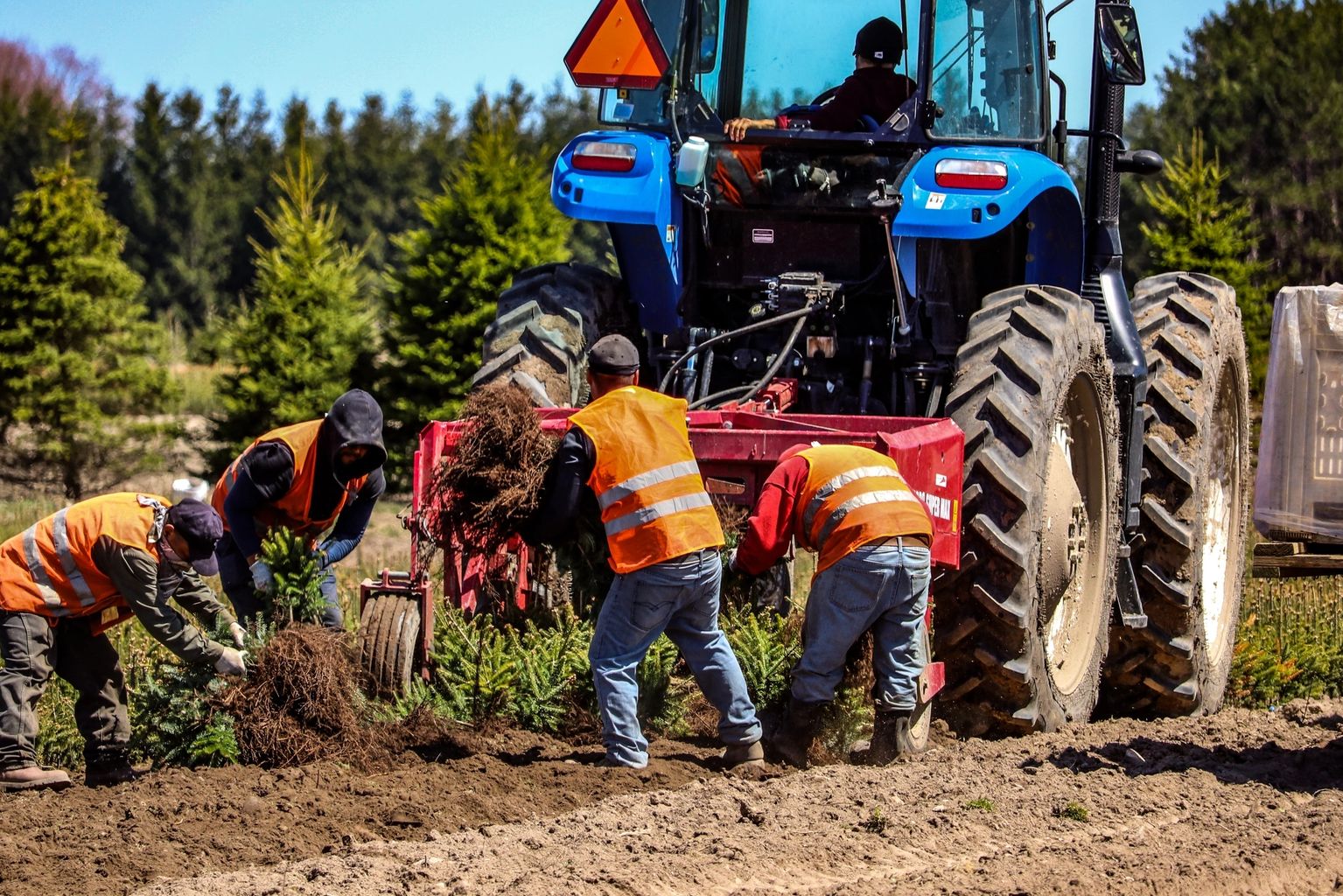
Modern agriculture depends on precise timing. Weather patterns, soil conditions, and crop maturity determine when planting and harvesting must occur. When the right number of workers is not available at those critical moments, crops stay in the field longer than they should. Quality begins to decline, and market value drops quickly.
Structured agricultural workforce programs have become an operational necessity. These programs help farms recruit dependable seasonal labor while handling the regulatory responsibilities that come with agricultural employment. What once felt like a seasonal staffing task has now become a central part of farm management strategy.
Labor Planning Shapes Farm Productivity
Farm productivity depends on many factors. Equipment, irrigation systems, and crop selection all influence results. Yet labor availability remains one of the most decisive factors in determining whether crops move efficiently from field to market.
Professional H-2A workforce management services help farms avoid these disruptions. By planning seasonal labor, agricultural employers can align workforce availability with the natural cycles of crop production.
Seasonal Labor Programs Support Agricultural Operations
A structured workforce management service typically begins with recruitment. Experienced agricultural workers are identified and matched with farms based on crop type and seasonal needs. Many workers return year after year, bringing valuable field experience that improves harvest efficiency and reduces training time.
Housing preparation forms another important component of workforce coordination. Seasonal agricultural workers must be provided with approved housing that meets safety and sanitation standards. H-2A workforce management services help farms prepare housing facilities and coordinate inspections to ensure compliance.
Travel logistics also play a critical role. Workers must arrive at the right time to support planting or harvesting schedules. Coordinated transportation planning ensures that workers reach farms when labor demand begins, preventing delays that could disrupt crop operations.
Workforce Stability Protects Harvest Results
Reliable labor availability directly influences harvest outcomes. Farms that maintain a full seasonal workforce typically complete harvest tasks on schedule. Crops reach buyers in optimal condition, which helps maintain product quality and consistent revenue.
When only part of the workforce arrives, harvest operations slow down. Crops may remain in the field longer than planned, and product quality begins to decline. This delay can reduce the price buyers are willing to pay.
Structured workforce programs help farms avoid these risks. By securing trained seasonal workers before the season begins, agricultural operations gain the stability needed to protect harvest schedules and maintain crop quality.
Technology Improves Workforce Coordination
Agricultural workforce programs now rely on digital systems that help farms manage seasonal labor more efficiently. These tools organize workforce scheduling, documentation tracking, and operational communication across the entire farming season.
Technology also helps farms plan labor distribution across multiple fields. Managers can allocate crews to planting, harvesting, or packing tasks based on crop maturity and daily production goals.
These systems reduce administrative pressure on farm managers. Instead of handling complex documentation and logistics manually, farms gain organized support that keeps workforce operations running smoothly during busy harvest periods.
Agricultural Sectors That Depend on Seasonal Labor
Certain agricultural industries depend heavily on skilled seasonal labor because mechanical harvesting cannot replace human precision.
Vegetable farms also rely on manual labor for planting, thinning, and harvesting crops that require careful handling. Greenhouse operations depend on daily plant care that includes pruning, transplanting, and packaging plants for delivery.
Nurseries and ornamental plant growers face similar challenges. Many plants require individual handling, shaping, and preparation before they reach retail markets. Skilled seasonal workers provide the attention needed to maintain product quality.
For these industries, dependable labor access determines whether crops reach the market in good condition. H-2A workforce management services help ensure that farms maintain the staffing levels needed to protect crop value.
What Farms Should Expect From Workforce Support Services?
Agricultural employers benefit from workforce partners that provide structured and reliable support across every stage of seasonal labor planning.
Strong workforce management services typically maintain large recruitment networks that connect experienced agricultural workers with farms that need seasonal support. This network allows farms to access trained workers who understand field operations.
Compliance expertise forms another critical component. Agricultural employment programs involve complex labor regulations, documentation requirements, and strict filing deadlines. Workforce coordinators help farms navigate these responsibilities with confidence.
Some workforce services also provide field supervision and ongoing workforce coordination during the harvest season. This additional support helps farms maintain productivity while ensuring that workers receive proper guidance and oversight.
The Future of Farming Depends on Workforce Stability
Agriculture continues to evolve as technology, climate patterns, and global demand reshape food production. Despite these changes, crops still require skilled human labor during critical stages of growth and harvest.
Reliable workforce systems allow farms to adapt to these changing conditions. With proper labor planning, agricultural operations maintain production schedules even during challenging seasons.
Seasonal workforce programs give farms access to trained workers who understand agricultural tasks and field environments. These workers contribute to consistent harvest performance and support long-term farm sustainability. As farms adopt new technology and improve production systems, H-2A workforce management remains one of the most important operational foundations for successful agriculture.
Workforce Strategy Protects Long-Term Farm Productivity
Successful farms prepare for labor needs well before the growing season begins. Workforce planning helps agricultural employers reduce risk and maintain reliable harvest operations.
Structured agricultural workforce services support several essential elements of farm productivity. These include recruiting seasonal workers, managing employment documentation, preparing housing facilities, and coordinating worker transportation.
When these elements work together, farms gain a stable labor system that supports efficient production. Managers can focus on crop health, equipment operation, and market planning rather than worrying about last-minute labor shortages.
Conclusion
Future farming depends on preparation, timing, and reliable labor. Crops still require skilled hands at the right moment, even as technology improves planning and monitoring. Farms that organize recruitment, housing, documentation, and worker arrival early reduce the risk of harvest delays and crop loss.
H-2A workforce management now stands as a core operational strategy rather than a seasonal task. Structured programs provide trained workers who understand field conditions and production demands. This stability helps farms maintain harvest schedules, protect crop quality, and support long-term productivity. As agriculture continues to evolve, farms that invest in organized workforce systems place themselves in a stronger position to sustain consistent and profitable harvest operations.