Sign up with Google
 Sign in with Zoho

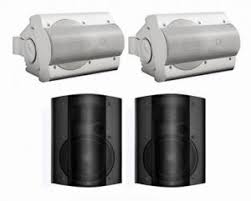
Commercial audio systems fail long before installation begins. Most issues start with limited planning and unclear performance goals. A space may require paging clarity, background music balance, or full coverage across multiple zones.
Skipping early planning leads to uneven sound, dead spots, and unnecessary rework. Strong setups begin with a clear understanding of how the system will be used every day. This includes identifying traffic flow, ceiling height, and ambient noise levels.
A well-defined plan ensures that each component supports a specific function. That approach prevents system overload and avoids mismatched equipment later in the process.
Ignoring Acoustic Conditions Inside the Space
Sound behaves differently in every environment. Hard surfaces like glass and concrete reflect sound, while soft materials absorb it. Without addressing these factors, even high-quality speakers deliver poor clarity.
Echo and reverberation reduce speech intelligibility. This becomes a serious issue in retail stores, offices, and public venues where announcements must remain clear. Many installations overlook this and rely only on volume adjustments.
Using wide-dispersion ceiling speakers and properly angled surface-mounted units helps control sound reflection. Proper placement reduces echo and keeps sound consistent across the entire space.
Using the Wrong Speaker Type for the Environment
Not every speaker fits every application. A common mistake is installing the same speaker type across different areas without considering function or layout. This creates uneven audio coverage and inconsistent performance.
Ceiling-mounted speakers work well for distributed sound in open indoor areas. Surface-mounted speakers provide directional audio for focused zones like entrances and hallways. Horn-loaded speakers handle high-output needs in outdoor or industrial spaces. Selecting the correct speaker design improves clarity and reduces the need for constant adjustments. It also ensures that the system performs reliably under daily use.
Inconsistent Speaker Placement Reduces Coverage
Speaker placement directly affects how sound travels through a space. Poor spacing creates areas that sound too loud and others that feel silent. This imbalance frustrates both staff and customers.
Even spacing ensures consistent sound pressure levels. The goal is not maximum volume but balanced coverage. Proper layout avoids overlap that causes distortion and prevents gaps that reduce clarity. Commercial ceiling speakers with controlled dispersion patterns simplify this process. Adjustable tap settings allow fine-tuning based on ceiling height and room size.
Mismatched Amplification Causes System Failure
Amplifiers must match the total speaker load. When they do not, the system struggles to deliver stable audio output. Low power leads to weak sound, while excessive load causes distortion and equipment stress.
Large commercial spaces require a distributed audio systems commercial. These systems use 70V or 100V configurations to support multiple speakers across long distances without signal loss. Using amplifiers designed for commercial use ensures consistent performance. Built-in protection features help prevent overheating and extend system life.
Using Non-Commercial Equipment Reduces Reliability
Residential audio equipment does not perform well in commercial settings. It cannot handle long operating hours or environmental changes such as heat, dust, and humidity.
Commercial-grade products are built for continuous use. They include reinforced enclosures, thermal protection, and stable output under demanding conditions. Outdoor-rated speakers feature sealed construction and weather-resistant materials. These features protect performance and reduce maintenance over time.
Weak Installation Practices Impact Long-Term Performance
Even the best equipment fails with poor installation. Loose wiring, incorrect impedance matching, and unstable mounting reduce system efficiency and reliability.
Clean cable routing and secure connections improve signal flow and prevent interference. Installers must follow technical specifications for each component.
Modern mounting systems and simplified wiring options reduce installation errors. These features also speed up setup and improve consistency across projects.
Skipping Testing Leads to Immediate Issues
A system should never go live without proper testing. Many setups fail because they are not evaluated under real conditions. Background noise, crowd levels, and daily usage patterns affect performance.
Testing helps identify uneven volume, feedback, and distortion. Calibration ensures that each zone delivers balanced sound.
Digital signal processing tools improve accuracy during this phase. Equalization and delay adjustments fine-tune the system for consistent output.
How Commercial Audio Products Improve System Performance?
Modern commercial audio products integrate performance, durability, and control. Ceiling speakers now include wide-angle drivers that distribute sound evenly without requiring excessive volume. Surface-mounted speakers provide flexible installation and maintain clarity in focused areas.
Amplifiers support distributed audio systems commercial with consistent voltage output. This ensures reliable performance across multiple zones without signal loss. Control systems allow precise adjustments for volume, tone, and zone management. These features make daily operation simple while maintaining consistent sound quality.
Modular designs also support future expansion. Additional zones or speakers can be added without replacing the entire system. This flexibility supports long-term growth and changing operational needs.
Conclusion
Audio systems' commercial installations require careful planning and accurate execution. Each decision affects how sound performs across the space.
Avoiding common mistakes improves clarity, reduces maintenance, and supports daily operations. The right combination of speakers, amplifiers, and control systems creates a stable and efficient setup.
Strong systems rely on proper design, not trial and error. Attention to detail during planning and installation ensures long-term performance and consistent results.