Sign up with Google
 Sign in with Zoho

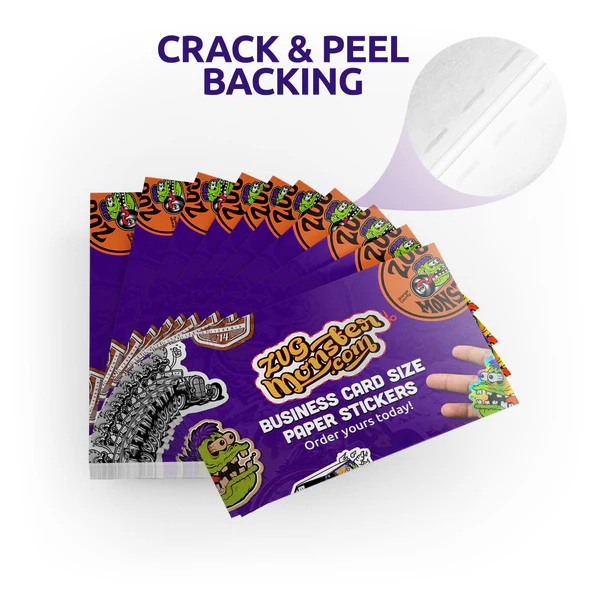
Your brand design works hard. It appears on packaging, laptops, product boxes, storefront windows, and sometimes even vehicles. But here’s a common problem: standard stickers fade, scratch, or peel quickly.
When that happens, your branding loses impact. That’s exactly why laminated stickers have become a preferred choice for businesses that care about durability and presentation.
In this post, you’ll learn how protective laminates extend sticker lifespan, preserve design quality, and help brands maintain a polished image across different environments.
Why Sticker Durability Matters for Brand Identity
Brand consistency doesn’t just live online. It appears everywhere customers interact with your products. That includes packaging labels, promotional decals, laptop stickers, and storefront signage.
When stickers degrade quickly, the brand message weakens. Faded colors and scratched surfaces create an impression of poor quality, even if the product itself is excellent.
Durable sticker materials solve this issue by preserving visual clarity. A protective coating acts as a shield against everyday wear. This means your artwork, typography, and color palette remain crisp and readable longer.
For businesses, this matters more than it might seem. Every sticker placed in the real world becomes a small brand ambassador. When those ambassadors stay vibrant and intact, they continue representing your brand positively.
What Makes Laminated Stickers Different From Standard Stickers
At first glance, all stickers might look similar. However, construction makes a major difference.
Laminated stickers include an additional protective film layered over the printed design. This film creates a barrier that protects the ink and surface underneath.
Here’s how the structure usually works:
- A base vinyl or paper material holds the printed artwork.
- High-quality inks create the design.
- A clear laminate layer seals the surface.
That top layer may appear thin, but it plays an important role. It prevents scratches, moisture damage, and fading caused by sunlight exposure.
Without that protective layer, printed graphics remain vulnerable to environmental conditions. Over time, normal handling can cause edges to peel or designs to dull.
Lamination significantly slows that deterioration process.
How Stickers Protect Your Brand Design
Surface Protection Against Scratches
Products travel through many environments. Packaging moves through shipping systems. Promotional decals get touched repeatedly. Laptop stickers rub against bags and desks.
A laminated surface creates a tougher outer layer. This reduces visible scratches and scuffs that would otherwise damage printed graphics. For brands using stickers as marketing tools, this durability keeps designs looking intentional rather than worn.
Resistance to Moisture and Weather
Water exposure is one of the most common causes of sticker failure. Rain, condensation, spills, or humidity can damage untreated materials. The protective coating in these stickers acts as a moisture barrier. It helps prevent ink bleeding and material weakening.
Because of this, laminated designs often work well for:
- Outdoor branding decals
- Water bottle graphics
- Product packaging labels
- Vehicle branding
Even in indoor environments, moisture protection matters. Kitchens, warehouses, and shipping areas often contain humidity that can shorten sticker lifespan.
UV Protection Preserves Color Accuracy
Sunlight slowly breaks down printed ink pigments. Over time, bright colors fade into dull shades.
Laminate coatings often include UV-resistant properties. These coatings reduce the impact of sunlight exposure.
For brands that rely on color consistency, this protection matters. A faded logo or washed-out design weakens brand recognition. Maintaining vibrant color helps reinforce brand identity wherever the sticker appears.
Types of Laminated Finishes and Their Benefits
Different finishes create different visual effects and performance characteristics.
Gloss Laminate
Gloss laminate adds shine and enhances color vibrancy. It reflects light and makes graphics appear bold.
Best for:
- Promotional stickers
- Retail packaging
- Eye-catching brand designs
However, high-gloss finishes may show fingerprints more easily.
Matte Laminate
Matte laminate provides a softer appearance with minimal glare. It also hides fingerprints better than glossy surfaces.
Best for:
- Minimalist brand aesthetics
- Premium product packaging
- Laptop or notebook decals
Matte finishes often feel more refined while still providing strong protection.
Textured Laminate
Some stickers use textured coatings for additional durability and tactile appeal.
Best for:
- Outdoor decals
- Industrial labels
- High-contact environments
These finishes help reduce scuff visibility and extend lifespan.
Where Laminated Stickers Deliver the Most Value
Not every sticker needs lamination. But for many use cases, the added protection dramatically improves results.
Product Packaging
Packaging stickers often face handling, shipping, and temperature changes. Laminated surfaces keep labels clean and readable throughout the process.
Promotional Giveaways
Marketing stickers frequently travel onto laptops, water bottles, and vehicles. A protective coating ensures the brand artwork remains visible even after heavy use.
Outdoor Branding
Outdoor conditions introduce sunlight, moisture, and dirt. Laminated materials help designs withstand these elements longer.
Equipment and Inventory Labels
Businesses sometimes use stickers for equipment identification or product tracking. Durability becomes critical in these situations.
In each case, laminated protection extends functional lifespan while preserving visual quality.
Design Tips to Maximize Sticker Longevity
Protection matters, but design decisions also influence durability.
Use High-Contrast Colors
Clear contrast improves readability even as minor wear appears over time.
Avoid Ultra-Thin Details
Extremely fine lines may fade or wear faster than thicker graphic elements.
Choose Strong Adhesive Backing
A durable sticker surface won’t help if the adhesive fails. Strong adhesive ensures the sticker stays attached where intended.
Consider Shape and Placement
Rounded corners often last longer than sharp edges because they resist peeling better.
These small design choices work together with lamination to create longer-lasting branding assets.
Final Thoughts
Brand visuals represent more than decoration. They communicate identity, professionalism, and trust. When stickers fade, scratch, or peel quickly, that visual message weakens.
That’s why laminated stickers have become an essential choice for businesses that rely on durable branding materials. The protective layer preserves colors, protects surfaces, and extends sticker lifespan across many environments.
Whether used for product packaging, promotional giveaways, or outdoor decals, laminated designs ensure your branding remains clear, professional, and recognizable for longer. Investing in durability isn’t just about protecting a sticker. It’s about protecting the image your brand presents to the world.