Sign up with Google
 Sign in with Zoho

India's climate shifts dramatically across the year, from monsoon humidity to scorching summers and dry winters, and each season places different demands on ostomy equipment. Sourcing dependable ileostomy supplies in India means planning for how heat, sweat, and moisture affect pouch adhesion and wear time. This guide walks through practical, season-specific adjustments that help pouching systems perform better, wherever you live in the country.
Why Climate Matters for Ostomy Care
Most people assume ostomy care is the same everywhere, but India's geography tells a different story. A person managing their routine in Chennai's humidity faces very different challenges than someone in Shimla's dry winter air. Adhesive barriers that work perfectly in air-conditioned rooms can behave unpredictably outdoors, especially during peak summer months when body temperature and perspiration rise together.
Humidity and Adhesive Performance
High humidity softens the skin barrier faster than usual, which shortens the time a pouch stays securely attached. This is particularly true during monsoon season, when moisture in the air combines with body sweat to create a challenging environment for any adhesive. Reliable ileostomy supplies in India need to account for this, which is why many users look for barriers designed with extended wear time in mind.
Heat and Skin Irritation
Peristomal skin is sensitive, and heat rash or minor irritation can complicate pouch changes. Sweat accumulation under the wafer sometimes causes itching before any visible leakage occurs. Recognizing this early, rather than waiting for a full seal failure, saves both discomfort and unplanned changes during the day.
Seasonal Adjustments for Better Pouch Wear Time
Adapting your routine to the season isn't complicated once you know what to watch for. Small changes in timing, fabric choice, and skin preparation make a noticeable difference in how long a pouch lasts comfortably.
Monsoon Months
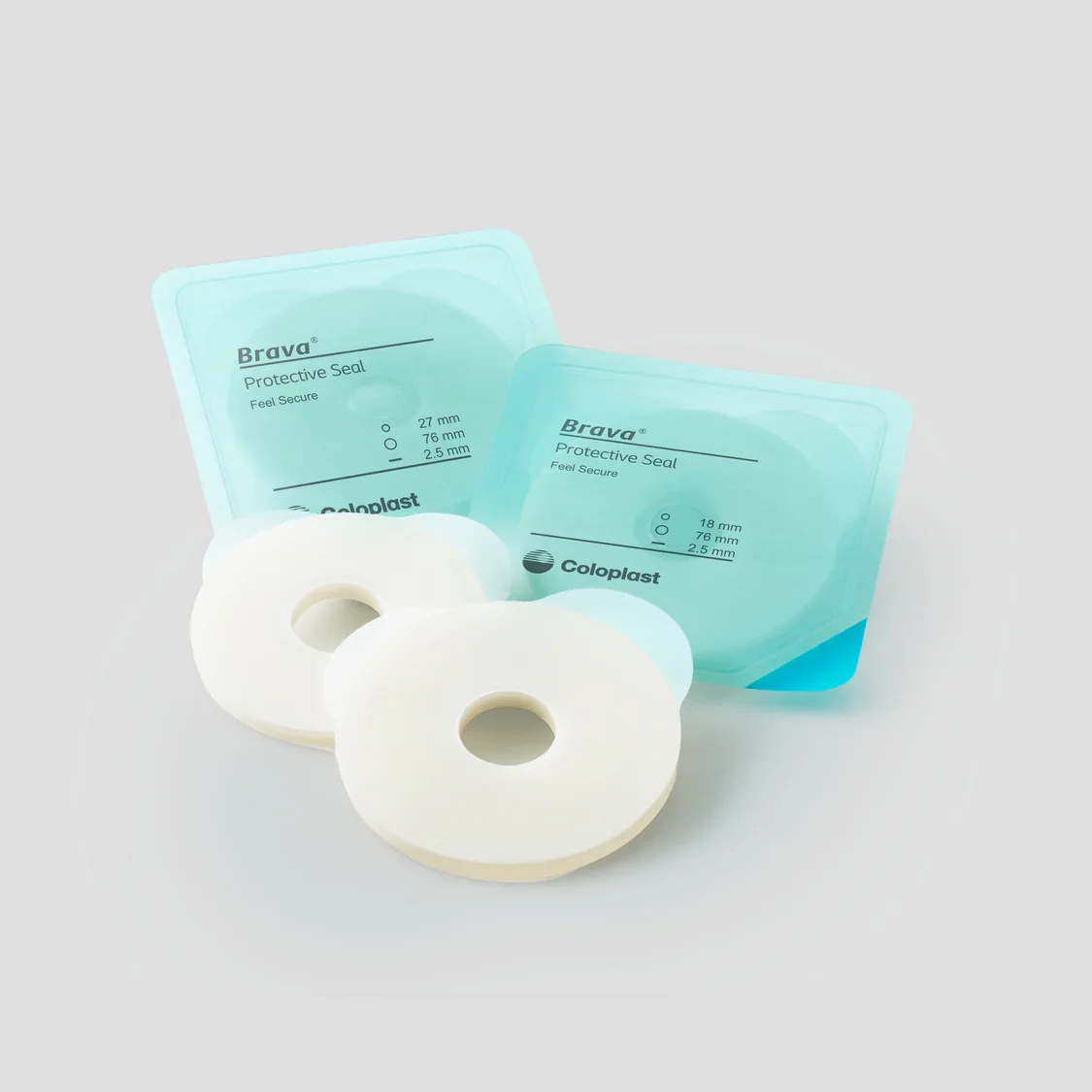
During June through September, plan pouch changes for cooler parts of the day, typically early morning, when humidity is comparatively lower indoors. Pat the skin completely dry before applying a new barrier since even slight dampness reduces adhesion. Many people managing ileostomy supplies in India during the monsoon season find that a barrier engineered specifically for moisture resistance, such as a Brava Protective Seal, holds up noticeably better than standard options when conditions turn humid.
Summer Heat
From April to June, especially in northern and central India, temperatures often cross 40 degrees Celsius. Loose, breathable clothing over the pouch reduces trapped heat and sweat. Carrying a small towel to blot perspiration before it reaches the adhesive edge is a simple habit that extends wear time considerably.
Winter Considerations
Winter brings its own issue: dry skin. Cracked or flaky skin around the stoma doesn't hold adhesive well either. A light, ostomy-safe moisturizer applied the night before a scheduled change, never right before applying a new pouch, keeps skin supple without interfering with adhesion.
Building a Season-Ready Supply Kit
Rather than restocking the same items year-round, it helps to think seasonally. Keep barrier rings or paste on hand for humid months when extra sealing support matters most. A Brava Protective Seal works well as part of this kit for anyone whose skin tends to react to sweat or friction, since it's built to maintain contact even under challenging conditions.
Stock slightly more supplies during monsoon travel, since access to a pharmacy may not always be immediate in smaller towns. Keeping a spare pouching system in a waterproof pouch within your bag is a habit worth building before the season starts, not after a leak catches you off guard.
Diet and Hydration Across Seasons
Output consistency often shifts with the weather. Summer heat increases fluid loss through sweat, which can thicken or thin stoma output depending on hydration levels. Drinking oral rehydration solutions during peak summer, rather than plain water alone, helps maintain electrolyte balance, something many people overlook until they feel fatigued.
Monsoon season often brings dietary changes too, as fried and street food temptations rise. Sticking to familiar, well-tolerated foods during this period reduces the chance of unexpected output changes that could complicate an already humidity-stressed pouching system.
When to Consult Your Stoma Care Nurse
Persistent leakage despite seasonal adjustments is a signal worth discussing with a stoma care nurse rather than working around it indefinitely. They can recommend barrier types suited to your specific skin and climate exposure, and may suggest a different combination of ileostomy supplies in India based on your city's typical weather patterns. A short consultation once a season, especially before summer or monsoon peaks, often prevents weeks of trial and error.
The Takeaway
Weather isn't just background noise in ostomy management; it directly shapes how well equipment performs day to day. Paying attention to India's seasonal shifts and adjusting supplies and habits accordingly turns a reactive routine into a confident, well-planned one. The goal isn't just managing symptoms as they appear, but staying a step ahead of them through every season the year brings.