Sign up with Google
 Sign in with Zoho

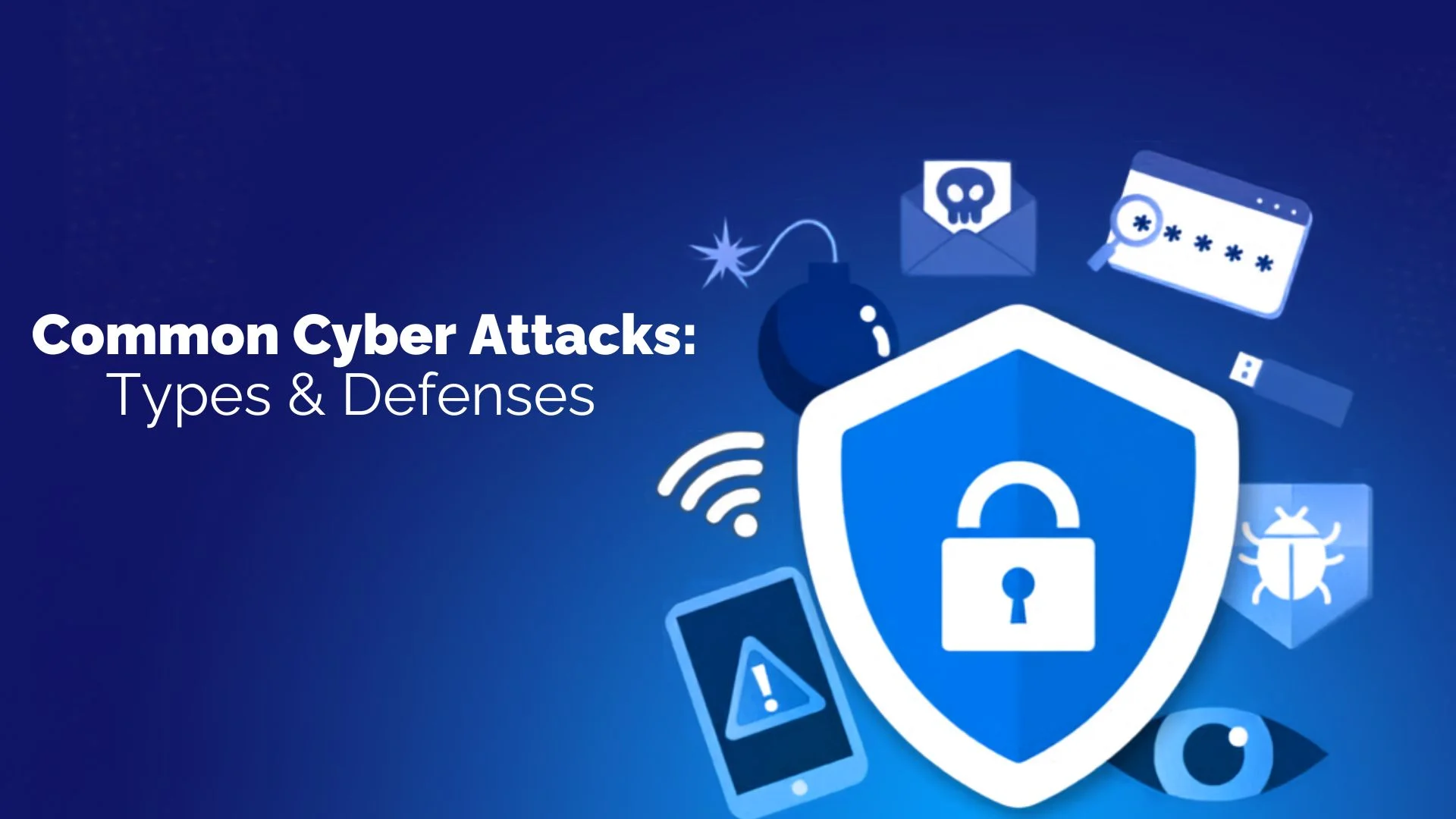
Common Cyber Threats Facing Educational Institutions Today
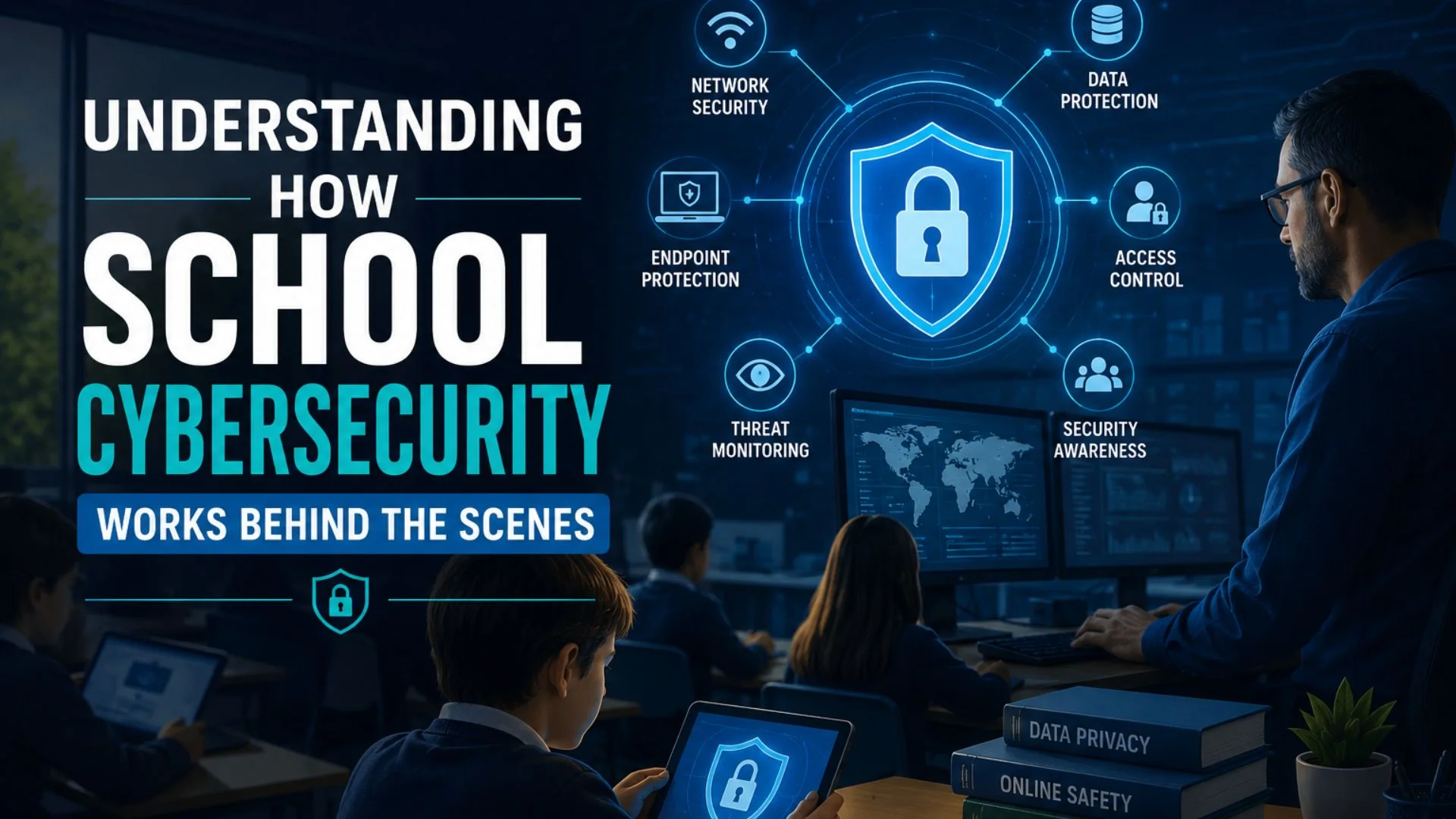
Schools have become increasingly dependent on technology for learning, communication, administration, and student engagement. From cloud based learning platforms to online assessments and digital records, technology now plays a central role in education. While these advancements offer significant benefits, they also create new opportunities for cybercriminals.
Educational institutions store large amounts of sensitive information, including student records, financial data, staff details, and academic information. This makes schools attractive targets for cyberattacks. As cyber threats continue to evolve, schools must understand the risks they face and take proactive measures to strengthen their security.
This is why many institutions are turning to experienced school cybersecurity providers to safeguard their digital environments and ensure uninterrupted learning.
Why Schools Are Prime Targets for Cybercriminals
Many schools operate with limited IT resources and stretched budgets. At the same time, they manage extensive networks that include staff devices, student laptops, mobile phones, cloud applications, and internet connected systems.
Cybercriminals often view schools as vulnerable targets because they may lack the advanced security infrastructure found in larger enterprises. A successful attack can provide access to valuable personal data, financial information, and even intellectual property.
Understanding the most common cyber threats is the first step toward building a stronger security posture.
1. Phishing Attacks
Phishing remains one of the most widespread cyber threats affecting schools today. In a phishing attack, cybercriminals send fraudulent emails, messages, or links designed to trick users into revealing passwords, financial details, or other sensitive information.
School staff, teachers, and students may unknowingly click on malicious links that appear legitimate. Once credentials are compromised, attackers can gain access to email accounts, cloud storage, and school systems.
Regular security awareness training and email filtering solutions can significantly reduce the risk of phishing attacks.
2. Ransomware Attacks
Ransomware has become a major concern for educational institutions worldwide. This type of malware encrypts files and systems, preventing access until a ransom payment is made.
For schools, a ransomware attack can disrupt classroom activities, administrative operations, and online learning platforms. Recovery can be costly and time consuming, particularly if backups are unavailable or outdated.
Many school cybersecurity providers help institutions implement backup strategies, endpoint protection, and threat detection systems to minimize ransomware risks.
3. Data Breaches
Educational institutions collect and store sensitive personal information about students, parents, teachers, and staff members. This data can include addresses, contact details, academic records, medical information, and financial information.
A data breach occurs when unauthorized individuals gain access to this information. Such incidents can lead to identity theft, reputational damage, and legal consequences.
Strong access controls, encryption, and regular security audits help protect sensitive educational data from unauthorized access.
4. Weak Password Security
Weak or reused passwords remain a significant cybersecurity challenge in schools. Students and staff often use simple passwords that are easy to remember but also easy for attackers to guess.
Cybercriminals frequently use automated tools to test commonly used passwords across multiple accounts. Once an account is compromised, attackers may gain access to additional systems and resources.
Implementing multi factor authentication and enforcing strong password policies can greatly improve security.
5. Malware Infections
Malware refers to malicious software designed to damage systems, steal information, or disrupt operations. Malware can enter school networks through infected downloads, email attachments, compromised websites, or removable devices.
Once installed, malware can spread across the network, affecting multiple devices and users.
Keeping software updated, deploying antivirus solutions, and educating users about safe browsing practices can help reduce malware infections.
6. Insider Threats
Not all cyber threats come from outside the organization. Insider threats can involve current or former employees, contractors, or students who intentionally or accidentally compromise security.
Examples include sharing confidential information, mishandling sensitive data, or failing to follow security policies.
Clear security guidelines, user monitoring, and access management practices can help schools reduce insider risks.
7. Vulnerable Cloud Applications
Cloud based learning platforms have become essential for modern education. However, poorly configured cloud applications can expose sensitive information and create security vulnerabilities.
Schools should regularly review cloud security settings, manage user permissions carefully, and ensure third party vendors meet cybersecurity standards.
Trusted school cybersecurity providers often assist educational institutions in securing cloud environments and maintaining compliance requirements.
How Schools Can Strengthen Cybersecurity
Protecting educational institutions requires a combination of technology, policies, and user awareness. Schools can improve their cybersecurity posture by:
- Conducting regular cybersecurity assessments
- Implementing multi factor authentication
- Training staff and students on cyber awareness
- Maintaining secure backups
- Updating software and systems regularly
- Monitoring network activity
- Partnering with experienced school cybersecurity providers
A proactive approach helps schools identify vulnerabilities before attackers can exploit them.
Conclusion
Cyber threats targeting educational institutions continue to increase in frequency and sophistication. From phishing attacks and ransomware to data breaches and cloud security risks, schools face a wide range of cybersecurity challenges.
Protecting students, staff, and sensitive information requires ongoing vigilance and strategic planning. By investing in strong security practices and working with reliable school cybersecurity providers, educational institutions can create a safer digital learning environment and reduce the risk of costly cyber incidents.
Frequently Asked Questions
What are the most common cyber threats facing schools?
The most common cyber threats include phishing attacks, ransomware, malware infections, data breaches, weak passwords, insider threats, and cloud security vulnerabilities.
Why are schools targeted by cybercriminals?
Schools store valuable personal and financial information and often have large networks with limited cybersecurity resources, making them attractive targets for attackers.
How can schools protect themselves from ransomware?
Schools can reduce ransomware risks through regular backups, security monitoring, employee training, software updates, and support from experienced school cybersecurity providers.
What role do school cybersecurity providers play?
School cybersecurity providers help educational institutions implement security solutions, monitor threats, manage compliance, and respond to cyber incidents.
Why is cybersecurity training important in schools?
Cybersecurity training helps staff and students recognize phishing attempts, avoid risky online behavior, and follow security best practices that reduce the likelihood of successful cyberattacks.