Sign up with Google
 Sign in with Zoho

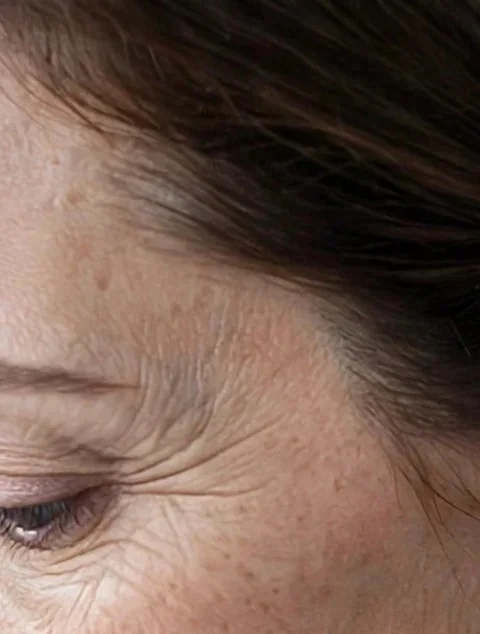
You might first notice a few lines around your eyes when applying make-up. Later, your lower face may look less defined, even though those lines have barely changed. It is easy to group both observations under “ageing skin”, but they can involve different structures and respond differently to treatment.
If you are exploring anti-ageing treatments in Melbourne, understanding that distinction is a useful starting point. Fine lines describe creases in the skin, while skin laxity refers to reduced firmness and recoil. They often occur together, but improving one does not automatically produce the same improvement in the other.
What Is the Difference Between Fine Lines and Skin Laxity?
Fine lines are small creases that may appear around the eyes, mouth or across the cheeks. Some become more noticeable with facial movement. Others remain visible when your face is relaxed. Their appearance can reflect several factors, including repeated expression, sun exposure and changes within the skin.
Skin laxity is a reduction in how firmly the skin holds its shape. You may notice looseness beneath the chin, folding around the neck or less definition along the jawline. The surface can still look relatively smooth, which explains why someone may notice reduced firmness without having many wrinkles.
Neither observation tells the whole story. Changes in facial fat, muscle activity and underlying support can also affect what you see. A consultation should distinguish between these contributing factors before a treatment is recommended.
Why Do They Develop Differently?
Collagen helps give skin strength, while elastin supports its ability to stretch and return towards its original shape. These structures change with age. Accumulated ultraviolet exposure also contributes to skin ageing, alongside factors such as smoking and individual genetics.
Fine lines may become more noticeable as the skin’s surface and supporting framework change. Dryness can make existing creases look more obvious, although dryness and established wrinkling are different concerns. A moisturiser may soften their appearance without addressing every underlying cause.
Laxity involves a broader question of support. The skin itself may be less resilient, while changes beneath it alter facial contours. This is why applying more moisturiser may improve comfort and surface appearance without restoring a previous jawline.
Are the Lines Visible at Rest or Mainly With Expression?
A useful observation is whether a line appears when you smile, squint or raise your eyebrows, then softens when your face relaxes. Lines associated with movement are often described as dynamic. Lines that remain visible at rest are commonly called static.
This distinction helps guide the consultation, but it is not a diagnosis you need to make yourself. A crease may have both movement-related and structural components. Its depth, location and surrounding skin quality also influence the available options.
For example, fine creases across the cheeks may require a different discussion from lines that appear mainly when frowning. Treating every line as the same concern can lead to an approach that does not match what you hoped to improve.
Could Volume Changes Be Mistaken for Loose Skin?
Reduced cheek fullness or a deeper fold beside the mouth can be interpreted as skin that needs tightening. However, a change in facial volume may contribute to the appearance. Skin quality, tissue position and underlying support can overlap.
Consider someone who notices a more hollow appearance after substantial weight loss. Their concern may involve reduced facial volume as well as laxity. A treatment directed only at the skin surface may have limited influence on that hollowing.
This does not mean that every visible change requires several procedures. It means the explanation should be specific. Understanding what is contributing allows you to decide whether the likely benefit of a proposed treatment is worthwhile.
What Can Skincare Realistically Improve?
A consistent routine can support skin comfort, hydration and protection. Moisturisers may make dryness-related fine lines less obvious. Some topical treatments can help improve aspects of sun-damaged skin over time, although suitability and tolerance need consideration.
Starting several strong products at once can create irritation rather than useful improvement. If your skin becomes persistently red, sore or flaky, increasing the strength is unlikely to be the most helpful next step. A simpler routine may make clinical assessment and treatment easier.
Skincare also has limits. A cream should not be expected to remove significant excess skin or reposition deeper facial tissues. Recognising those limits helps you evaluate product claims without dismissing the useful role of everyday care.
How Do Resurfacing and Tightening Treatments Differ?
Resurfacing treatments generally focus on skin texture and selected surface concerns. Depending on the procedure, they may help improve fine wrinkles, uneven pigmentation or scars. Some also influence the deeper skin through a controlled healing response.
Treatments described as skin tightening aim to address selected aspects of reduced firmness. Different technologies deliver energy in different ways and at different depths. Their potential benefit depends on the degree of laxity, treatment area and individual anatomy.
The categories can overlap, so the name alone is not enough. Ask what the proposed procedure is expected to improve in your case. A useful explanation connects the treatment’s function with a visible concern, rather than simply describing it as collagen stimulating.
Can One Treatment Address Both Concerns?
Some procedures may improve more than one aspect of skin quality, including texture and mild laxity. However, a modest improvement in firmness should not be interpreted as the same outcome as substantial lifting. The degree of change matters as much as the number of concerns listed.
The Australian Society of Plastic Surgeons notes that rejuvenation results vary and that deeper wrinkles may become less obvious without disappearing. These procedures also cannot stop the ageing process.
Where more than one approach is considered, each should have a defined purpose. You should understand why treatments are being combined, whether they need to be separated and how the response to the first procedure will influence the next recommendation.
Why Does Melbourne’s Climate Matter?
Melbourne’s cooler days can make sun protection feel less pressing, particularly when the morning starts overcast. However, temperature does not tell you the ultraviolet level. Checking the UV forecast is more useful than deciding based on how warm the day feels.
Australian guidance recommends sun protection when the UV Index reaches three or above. This involves protective clothing, shade, a hat, sunglasses and suitable sunscreen. Consistent protection supports skin health whether or not you decide to have a cosmetic procedure.
Your routine matters too. Outdoor work, weekend sport and an upcoming coastal holiday may affect treatment scheduling and recovery advice. Mention these details rather than assuming they are unrelated to a facial treatment.
What Should a Consultation Establish?
A consultation should begin with what you have noticed and what you would like to improve. “My skin looks different” becomes more useful when you can explain whether you mean fine creases, rough texture, reduced cheek fullness or looseness beneath the chin.
An assessment at a skin clinic in Melbourne should also consider your medical history, medicines, previous procedures and tendency towards pigment changes or scarring. The clinician should examine the relevant anatomy and explain which findings support the recommendation.
Before proceeding, ask about risks, recovery, total costs and the expected review period. Redness, swelling, burns, pigmentation changes and scarring are among the possible complications of certain procedures. The discussion should relate to the specific treatment, rather than offering a broad assurance of safety.
A Clearer Understanding Leads to Better Decisions
You do not need to arrive knowing whether your concern is fine lines, laxity or volume loss. That distinction is part of the assessment. What matters is leaving with an explanation that makes sense and expectations that match the likely outcome.
A smoother surface and improved firmness are different goals, even when they form part of the same plan. Identifying which one matters most to you helps keep treatment focused, proportionate and connected to the concern that brought you to the consultation.













.webp)