Sign up with Google
 Sign in with Zoho
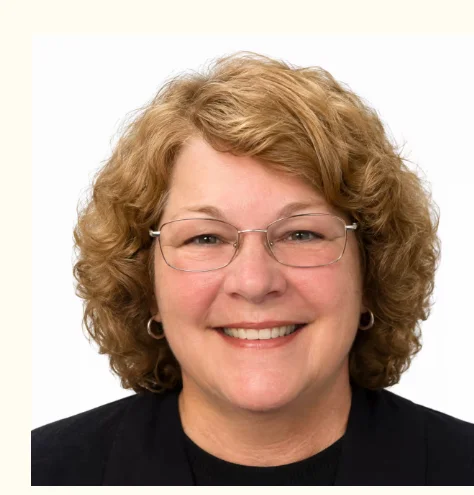
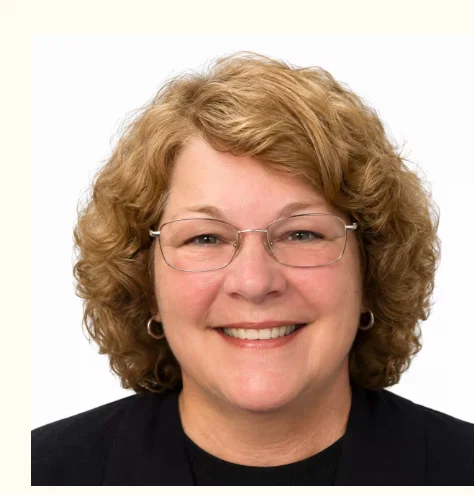
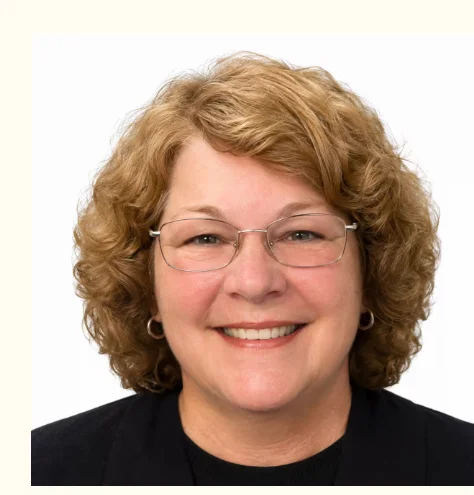
Nobody feels ready for a funeral. Paperwork, crowds, black clothes, and questions about the future all land at once, and grief makes every task heavier. Barbara Repczynski knows this ground. Her non-fiction title, Anatomy of Grief, appears on her list of books, and her novel Goodbye My Sweet Edward: Amanda’s Next Chapter opens with a widow whose knees shake while her shoulders stay square.
The book is fiction, not a manual. Still, Amanda’s first days after loss show practical habits that real readers can borrow. Here are five of them, each one simple enough to use this week.
1. Do the hard parts your way
Amanda would rather be anywhere else than the funeral home. She says so out loud. Then she brings her own copies of the paperwork, checks each arrangement against her list, and signs only when she feels satisfied.
That small act matters. Grief takes away control, and a checklist gives some of it back. If you must sit through meetings with a funeral director, bring a folder, ask questions, and take your time.
Try this: Write down the three decisions that worry you most, then handle the easiest one first.
2. Keep your hands busy
Amanda sorts closets, fills boxes, and sets aside clothes for a charity that helps people start new lives. Her hands work while her mind drifts back to childhood. She also catches herself rushing, reminds herself nothing is urgent, and slows down.
She settles another worry early. She picks three black outfits, one for each event, so she never faces a tearful closet on the morning of a service.
Try this: Lay out your clothes the night before. One decision fewer means a little more energy tomorrow.
3. Let your people carry some of the weight
Her brother Junior steadies her arm. Her sister Lucy flies in. Junior makes her favorite childhood lunch, and the meal reminds her who she is. Lucy and Inga plan an evening spa treatment for her, and the promise of a warm foot soak helps carry her through a long afternoon on aching feet.
Amanda also knows her limits. At one point she tells Lucy she needs to walk in alone, and her family stays close behind, ready to help.
That balance teaches a lot. Say what you need, whether that means company, space, or a sandwich. Then give your helpers a clear job.
Question for you: Who in your life would feel honored if you asked for help today?
4. Make room for every kind of grief
Amanda never forces one way of mourning on the group. She invites Thomas, the household’s longtime cook, to the private viewing and defends his place when someone questions it. The family waits in silence while he says goodbye. When Inga chooses to remember Edward as she last saw him, Amanda simply says that is all right.
Grief wears different faces. One person wants to see the casket, another wants to stay away, and both love deeply. Respect both choices.
5. Plan for crowds, cameras, and a finish line
The public viewing grows far larger than Amanda expects. Her answer is teamwork. Richard’s wife, Paulene, guides the line and moves people along, while Amanda greets those she once helped. She also asks her niece, Kit, to speak with young guests who look uneasy, giving Kit a purpose and the guests a warm welcome.
Amanda sets one more boundary. She tells reporters she will make a statement on a specific day, and the crowd outside begins to thin. Choose a helper to manage the room, decide in advance how long you will stay, and let people know when you will speak.
Try this: Pick one trusted person to be your “line manager” at the viewing.
Why this book earns your attention
Repczynski writes grief with plain honesty. Amanda shakes, cries, jokes with her siblings, and still finds the nerve to stand up and thank her guests. Humor helps too. In the limo, Junior teases her into a small smile, and she teases him right back. Laughter does not betray grief. It lets you breathe through it. Readers see a strong woman who does not pretend to feel strong, and that message comforts anyone facing a similar week.
The story also moves beyond the funeral. Memories of Amanda’s childhood sit beside the present, showing how loss and resilience grow from the same roots. The book never rushes her, and it never lectures the reader.
Your turn
Which of these five lessons would help you most right now? Share it in the comments, or pass this article to a friend who is planning a farewell.
If you want a story that treats loss with respect and gives you real-feeling ideas for tough days, pick up Goodbye My Sweet Edward: Amanda’s Next Chapter by Barbara Repczynski and meet a heroine who keeps standing.