Sign up with Google
 Sign in with Zoho
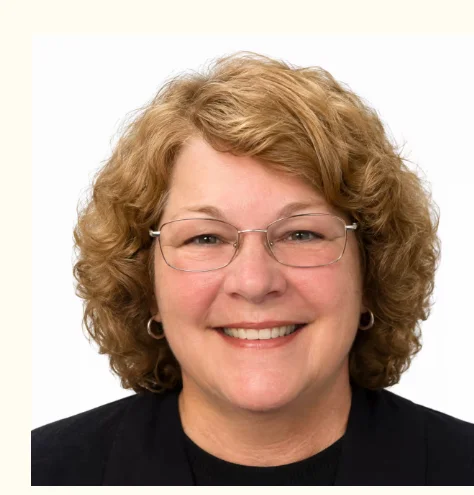
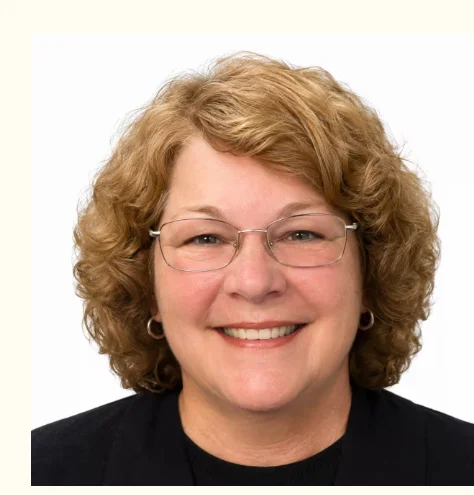
Phone calls, paperwork, and visitors fill the days, while the quiet underneath grows louder. Barbara Repczynski puts that tension on the page in Goodbye My Sweet Edward: Amanda’s Next Chapter. The novel follows Amanda Smith, a confident woman who suddenly feels unsure of everything after losing the husband she adored. Her story answers a question many widows ask: how do I get through this?
When Reality Returns Before Breakfast
Grief rarely arrives as one giant wave. Often it sneaks in through a habit. In the novel, Amanda wakes to the alarm and reaches over to nudge Edward, the way she always did. His side of the bed sits empty, and the truth lands all over again.
Many widows know this moment. The mind keeps running the old routine for weeks. Repczynski never treats it as weakness. She shows it as the natural echo of years of love.
Takeaway: Expect ambush moments, and permit yourself to feel them.
Plan the Hard Days Ahead of Time
Edward arranged and paid for his own funeral. Amanda still walks into the funeral home, reviews his choices, and signs the papers. She checks each detail against her list, and she signs only when she knows his wishes will be honored. Then she slumps in the car and wonders what that strength costs her.
She also prepares in practical ways. She picks three black outfits, one each for the private viewing, the public viewing, and the funeral. Fewer decisions on the hardest mornings leave more energy for feeling.
Takeaway: Strength and sorrow can share the same day. Handle the logistics early, and save your energy for the moments that matter.
Let Small Tasks Tell Their Stories
Amanda cleans out Edward’s closet because she needs to keep her hands busy. She sorts suits, checks every pocket, and finds a pair of earrings he tucked away for her at a gala. Her brother Junior holds them up, and a warm memory fills the room.
Then comes a quiet detail. Junior and Thomas, the longtime household cook, each set aside bib overalls, a flannel shirt, and boots. Amanda calls that her fondest memory of Edward too. The people who loved him remember the man, not the wardrobe.
Takeaway: Go slowly through his belongings. Each object may hand you a story you forgot you owned.
Let Your People Show Up
Amanda jokes about selling everything and hiding in a cabin in the woods. Her family does not argue. They stay close instead. Junior makes grilled peanut butter and jelly sandwiches, her favorite lunch. Lucy flies in and teases her, partly to coax out some fire in place of pain. Thomas serves shepherd’s pie, and Amanda invites him to the table as family.
Notice what these helpers skip: speeches. They feed her, make her laugh, and sit nearby. Anyone supporting a grieving friend can borrow that playbook. Amanda gives back too. She steers Lucy toward navy and grey, reminds her she is not the widow, and opens her closet, a small kindness that shows how love adjusts to each person.
Learn From Someone Further Down the Road
Amanda asks Babs, a fellow widow, how she stays in such a happy place. Babs answers honestly. She has had years to practice; she still misses her husband every day, and she talks to him even though he never replies. Healing, she says, takes time and a will to go on.
Babs offers hope without false promises. Amanda carries the same truth herself. She admits she will miss Edward every day for the rest of her life, and her full schedule still feels hollow.
Busy Is Not the Same as Healed
Amanda keeps moving. She tackles closets, meetings, and plans. Eventually she recognizes that a packed calendar can hide loneliness instead of easing it. What she does with that insight is a discovery the book keeps for its readers.
Keeping busy helps. Hiding in busyness does not. Repczynski lets her heroine learn the difference at her own pace, and that patience makes the lesson believable.
Try This: A Five-Minute Self-Check
Pause and answer honestly:
- Which small daily habit hits you hardest?
- Who is your Junior, Lucy, or Thomas, the person you can call without explaining?
- Who stands further down the road and could share what helped them?
- Does your schedule help you heal, or help you hide?
Write your answers down, then share one with a trusted friend this week.
Why This Novel Deserves a Spot on Your Shelf
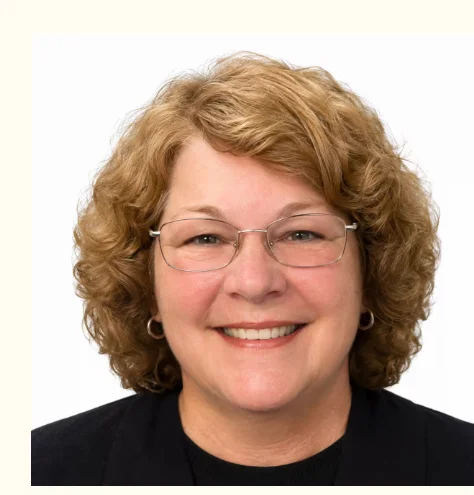
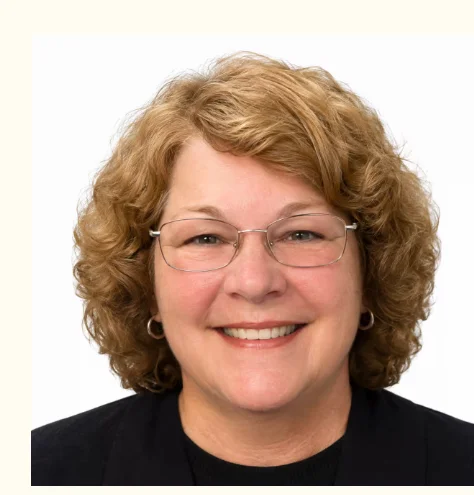
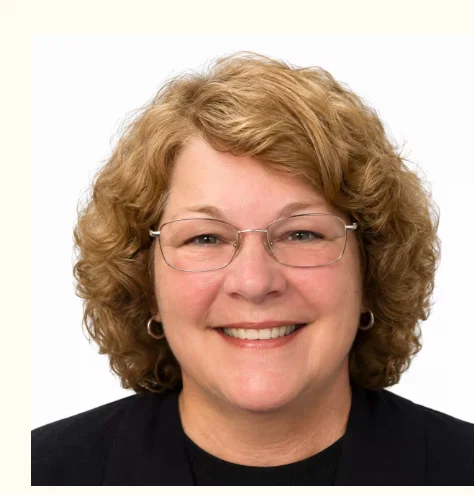
Repczynski writes with real authority on the subject. She lists a nonfiction title, Anatomy of Grief, among her works, and her fiction shows the same attention to how loss feels. The story is a novel, so it cannot replace a counselor, but it can keep you company. Amanda cries, jokes, eats comfort food, and keeps going.
If you are grieving a husband you adored, start with Amanda’s Next Chapter. It reminds you that you are not alone, and that a next chapter is possible.







.webp)