
 Sign up with Google
 Sign in with Zoho

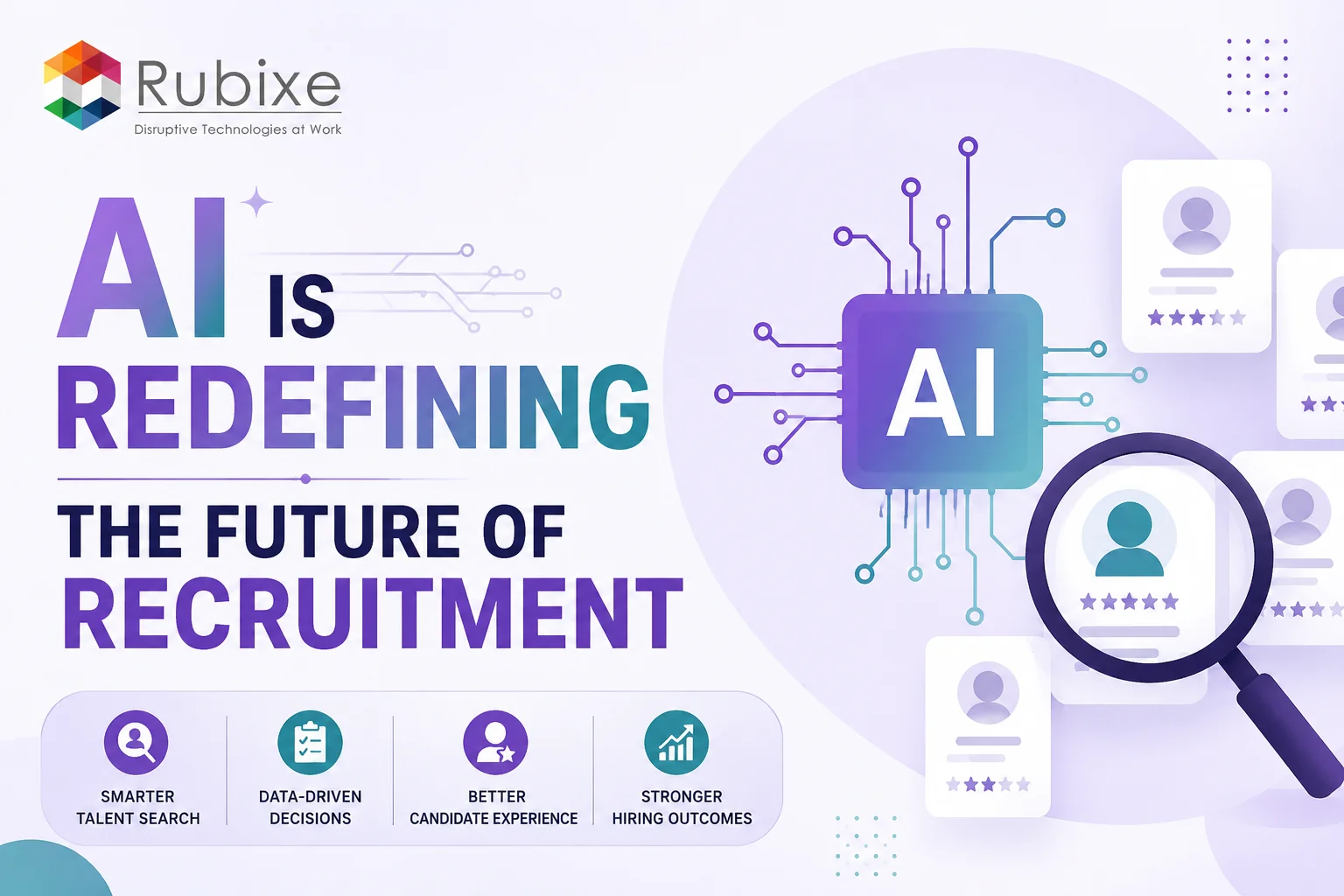
Finding the right employees has always been one of the biggest challenges for businesses. Recruiters often manage hundreds of applications for a single role while balancing interviews, communication, and hiring timelines. As organizations grow, traditional recruitment methods struggle to keep pace with increasing hiring demands. Companies are now looking for faster and more structured ways to identify qualified candidates without compromising hiring quality.
This growing demand has increased interest in artificial intelligence recruitment across industries. Businesses are using AI to simplify repetitive hiring tasks, improve candidate evaluation, and support better hiring decisions. Rather than replacing recruiters, AI helps hiring teams spend more time building relationships with candidates and making informed decisions based on reliable insights.
Why Recruitment Is Changing
Hiring has become more competitive than ever. Candidates expect faster communication, personalized experiences, and transparent hiring processes. Employers, meanwhile, want shorter hiring cycles and stronger employee retention.
Many organizations face challenges such as:
- Large volumes of resumes.
- Delayed interview scheduling.
- Manual candidate comparisons.
- Longer hiring cycles.
- Difficulty identifying qualified applicants.
Technology helps address these challenges by organizing recruitment activities and providing hiring teams with better information throughout the recruitment process.
Where AI Makes the Biggest Difference
AI supports recruitment by assisting with repetitive activities while allowing recruiters to focus on conversations and final hiring decisions.
These improvements help businesses organize recruitment activities more efficiently while maintaining consistency across hiring campaigns.
Better Hiring Starts With Better Data
Recruitment decisions are strongest when supported by reliable information rather than assumptions.
Modern AI recruitment software can organize applicant data, compare qualifications against job requirements, identify relevant experience, and highlight candidates who closely match hiring criteria.
Recruiters still make the final hiring decision, but AI helps reduce the time spent reviewing large numbers of applications manually.
Businesses that combine technology with experienced recruitment teams often improve both hiring speed and candidate quality.
Supporting Recruiters Instead of Replacing Them
One common concern is whether AI will replace recruiters. In practice, AI supports recruiters by reducing administrative work rather than replacing human judgment.
Recruiters continue to manage important responsibilities such as:
- Understanding hiring requirements.
- Conducting interviews.
- Assessing communication skills.
- Evaluating cultural fit.
- Making final hiring recommendations.
AI contributes by organizing information and presenting relevant insights, allowing recruiters to focus on conversations that require experience, empathy, and business understanding.
Improving Candidate Experience
Candidates value recruitment processes that are clear, responsive, and efficient.
Long response times and limited communication often discourage qualified professionals from continuing with an application.
Organizations using AI hiring tools can improve several parts of the hiring journey, including:
- Faster application acknowledgements.
- Timely interview scheduling.
- Consistent communication.
- Better status updates.
- Reduced waiting periods.
A smoother recruitment experience benefits both employers and applicants by reducing delays and improving engagement throughout the hiring process.
AI Helps Businesses Scale Recruitment
Growing companies often recruit for multiple positions simultaneously. Managing these hiring campaigns manually can place significant pressure on HR teams.
AI supports recruitment growth by helping organizations:
- Process larger application volumes.
- Organize candidate information.
- Maintain consistent evaluation standards.
- Reduce repetitive administrative work.
- Improve recruitment reporting.
These improvements allow HR departments to maintain quality while expanding hiring operations across different business functions.
Why Strategy Matters More Than Technology
Technology alone cannot solve recruitment challenges.
Successful hiring begins with clear job descriptions, realistic hiring expectations, structured interview processes, and collaboration between recruiters and business leaders.
AI performs best when integrated into an organized recruitment strategy rather than operating independently.
Many organizations adopting artificial intelligence recruitment first review their existing hiring processes before introducing AI into day-to-day recruitment activities.
The Role of AI in Long-Term Talent Acquisition
Hiring is no longer limited to filling immediate vacancies. Many organizations focus on building a strong pipeline of qualified professionals who can support future business growth. A structured talent acquisition strategy helps companies identify potential candidates early and maintain engagement before new positions become available.
AI contributes by organizing candidate profiles, tracking previous applications, and identifying individuals whose skills match future hiring requirements. Recruiters gain faster access to relevant information while maintaining control over the final hiring decision. This approach supports workforce planning without reducing the importance of human judgment.
Responsible AI Creates Better Hiring Outcomes
Technology should support fair and transparent recruitment practices. Businesses should review how AI evaluates applications, verify that hiring criteria remain relevant, and monitor recruitment outcomes regularly.
Organizations adopting AI should focus on:
- Defining objective hiring criteria.
- Reviewing AI recommendations before making decisions.
- Protecting candidate data throughout the recruitment process.
- Updating hiring workflows as business needs change.
- Measuring recruitment performance using meaningful metrics.
These practices help organizations build trust while maintaining consistency across hiring activities.
Choosing the Right Recruitment Technology
Every business has different hiring priorities. Some recruit throughout the year, while others hire only during expansion or seasonal demand. The right technology should reflect those requirements rather than offering unnecessary complexity.
When evaluating AI recruitment software, businesses should consider factors such as ease of use, reporting capabilities, integration with existing HR systems, data protection, and scalability. The objective is to improve recruitment efficiency while keeping the hiring process organized and practical.
Experienced technology partners can also support implementation. Companies such as help businesses evaluate AI adoption strategies and integrate recruitment technologies that align with operational goals and workforce planning.
Preparing Recruitment Teams for the Future
AI continues to influence how organizations attract and evaluate candidates, but successful hiring will always depend on collaboration between technology and people.
Recruitment teams that combine AI with structured hiring practices often gain several advantages:
- Better visibility into recruitment performance.
- Faster identification of qualified candidates.
- More consistent hiring workflows.
- Improved communication throughout the recruitment journey.
- Stronger alignment between hiring goals and business objectives.
Technology supports these improvements, while recruiters continue to provide the experience, judgment, and interpersonal skills required for successful hiring.
Frequently Asked Questions
1. What is artificial intelligence recruitment?
Artificial intelligence recruitment refers to the use of AI technologies to support hiring activities such as resume analysis, candidate matching, interview scheduling, and recruitment analytics while helping recruiters make informed hiring decisions.
2. How does AI recruitment software improve hiring?
AI recruitment software helps organize candidate information, automate repetitive tasks, improve application management, and provide insights that support faster and more consistent hiring decisions.
3. Are AI hiring tools replacing recruiters?
No. AI hiring tools assist recruiters by handling repetitive administrative work, while hiring professionals continue to manage interviews, assess candidate suitability, and make final recruitment decisions.
4. Why is candidate screening important in AI recruitment?
Effective candidate screening helps recruiters identify applicants whose qualifications and experience match job requirements, reducing manual effort and improving hiring efficiency.
5. How does AI support talent acquisition?
AI supports talent acquisition by organizing candidate databases, identifying potential future hires, improving recruitment planning, and helping organizations maintain a structured approach to long-term workforce growth.
The future of hiring is becoming more data-driven, efficient, and candidate-focused. Businesses are using artificial intelligence recruitment to improve hiring workflows, reduce administrative effort, and identify qualified candidates more effectively. AI strengthens recruitment by supporting recruiters with timely insights while allowing them to focus on interviews, relationship building, and final hiring decisions.
Organizations that combine structured hiring practices with reliable AI hiring tools, effective candidate screening, and a long-term talent acquisition strategy are better prepared to meet changing workforce demands. As recruitment continues to evolve, artificial intelligence recruitment will remain an important part of building stronger teams and supporting sustainable business growth.












.webp)