Sign up with Google
 Sign in with Zoho

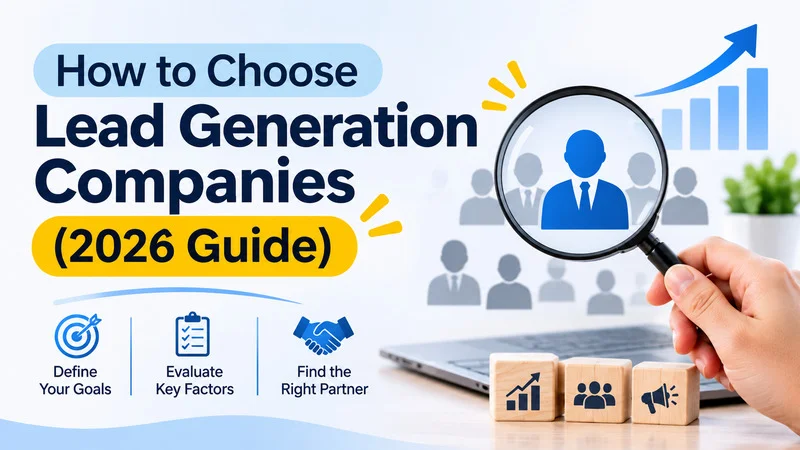
Hiring a lead generation company can feel like a shortcut. You pay someone to fill your pipeline, and your sales team gets to focus on closing. When it works, it really does save time. When it doesn’t, you end up with a spreadsheet of unqualified contacts and a bill that still has to be paid.
The difference usually comes down to how carefully you choose. This guide covers how to evaluate lead generation companies in 2026, what to ask, and which warning signs deserve a second look. It is written for founders, sales managers, and marketers who want a clear process, not a sales pitch.
Start With Your Own Goals
Before you talk to any vendor, write down what you actually need. Keep it short:
- Who is your ideal customer (industry, company size, job title)?
- What counts as a good lead for your team?
- How many leads or meetings can your sales team realistically handle each month?
- What is your budget range, and what does one new customer return to you?
This simple page protects you in two ways. It stops vendors from steering you toward whatever service they sell best, and it lets you compare proposals on equal terms.
Understand the Types of Lead Generation Services
Not all lead generation companies work the same way. Knowing the main types helps you match the service to your sales process.
- Outbound outreach: the company contacts prospects for you through email, calls, or LinkedIn.
- Appointment setting: the company books meetings between your sales team and interested buyers.
- Inbound and content-led: the company builds traffic through content, ads, and landing pages so prospects come to you.
- Lead lists and data providers: the company sells contact data, and you handle the outreach.
A company that does outbound well may know little about content marketing, and the reverse is also true. Choose the model that fits how your customers prefer to buy.
Define What a “Qualified Lead” Means
This is where many partnerships fall apart. One side counts any form fill as a lead, while the other expects a prospect who is ready for a sales conversation.
Agree on the definition in writing before work starts. Include company size, job role, location, budget signals, and the level of interest required. Ask how the company checks leads before sending them, and whether you can reject leads that do not meet the criteria. If the answer is vague, expect arguments later.
Compare Pricing Models Carefully
Lead generation companies price their work in a few common ways.
- Monthly retainer: a fixed fee for ongoing work, which suits long-term campaigns.
- Pay per lead: you pay for each lead delivered, which sounds safe but can push quantity over quality.
- Pay per appointment: you pay when a qualified meeting is booked, which links cost to a clearer result.
- Setup fee plus monthly cost: common for outbound programs that need research and infrastructure first.
Ask what is included. Data costs, software, copywriting, and reporting are sometimes extras. The cheapest quote is rarely the cheapest outcome if half the leads never respond.
Ask Where the Leads Come From
You should know how a company finds and contacts people. Ask about data sources, how often records are verified, and how they handle opt-outs. Rules such as GDPR and CAN-SPAM affect how you can contact prospects, and mistakes can hurt your sender reputation or even create legal trouble.
A trustworthy company explains its process plainly and is comfortable discussing compliance. If a vendor is vague about how contacts were obtained, treat that as a serious warning sign.
Look at Reporting and Transparency
Good partners show you what is happening, not only the final numbers. Ask what you will see each week or month, such as emails sent, reply rates, meetings booked, and leads accepted or rejected. Find out whether you will have access to the campaign data, and who owns the contact lists, messaging, and accounts if you end the contract.
Regular reporting also makes it easier to spot problems early and adjust the campaign instead of waiting for a bad quarter.
Check Case Studies and References
Ask for examples from companies similar to yours in industry and deal size. A result that worked for a large software firm may not apply to a ten-person service business.
Then ask for two or three references and contact them. Helpful questions include: Were the leads relevant? Did the company communicate well? Did results match what was promised? You can also read independent reviews on platforms such as Clutch or G2, but look for patterns in the detailed comments, not only the star rating.
Review Contract Terms Before You Sign
Read the agreement closely. Pay attention to the contract length, the notice period, minimum commitments, and what happens if results fall short. Short initial terms or a paid pilot let you test the fit before a larger commitment. Make sure the contract states who owns the data and the outreach assets.
Red Flags to Watch For
- Guaranteed sales or unrealistic lead volumes
- No clear explanation of the lead qualification process
- Unwillingness to share references or past results
- Pressure to sign a long contract quickly
- Vague answers about data sources or compliance
- A single generic pitch that ignores your industry
One of these deserves a direct conversation. Several together suggest you should keep looking.
A Simple Way to Compare Your Shortlist
Choose three companies and score each from one to five on industry experience, lead quality process, pricing clarity, compliance, reporting, and references. Give extra weight to what matters most to your business. When you compare lead generation companies this way, the best fit often becomes clear without much debate.
A small paid pilot of one or two months is also a practical way to test results before you commit to a longer agreement.
Frequently Asked Questions
1. How much do lead generation companies charge?Ans. Pricing varies widely by method, industry, and volume. Ask for a written quote that lists exactly what is included.
2. How long does it take to see results?Ans. Outbound campaigns often need a few weeks to set up and test, so judge results over a full cycle, not the first few days.
3. Should I hire an agency or build an in-house team?Ans. An agency can start faster and costs less upfront, while an in-house team gives you more control over time. Many companies begin with an agency and bring work in-house as they grow.
Final Thoughts
The best lead generation companies are not always the biggest or the cheapest. They are the ones that understand your buyers, explain their process openly, protect your reputation, and report honestly when results fall short. Define your goals first, agree on what a qualified lead means, and speak to real clients before you decide. A careful choice now can save months of wasted budget later.