Sign up with Google
 Sign in with Zoho
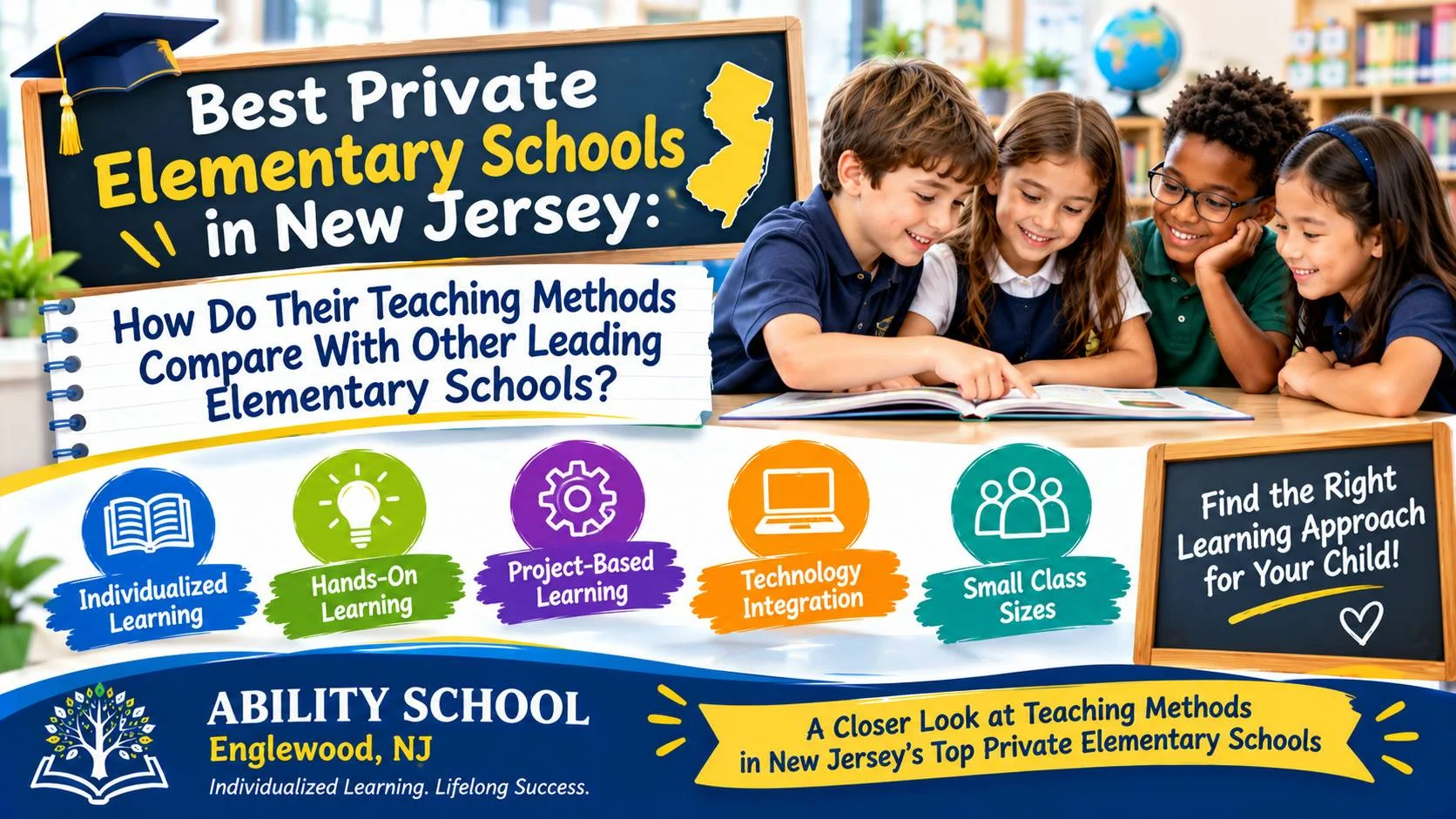
A child may read confidently but need help with subtraction. How would a school handle that difference during an ordinary day? Parents searching for the best elementary schools in New Jersey need an answer beyond a list of subjects. From time spent on a difficult lesson to the work offered next, the details of everyday teaching are what this covers.
Start With What Happens During a Lesson
During a school visit, ask a teacher to walk through a recent lesson. What did the children do after the explanation? Where did they need help?
Follow the lesson through to the corrections. A marked answer shows where a mistake happened; the work that follows reveals how the teacher addresses it. Request an example of both.
Keep those questions the same at private and public schools. A broad description such as “individual attention” needs more detail before it tells parents much about the classroom.
How Do Teaching Methods Compare?
Schools may use several approaches within the same day. A teacher might introduce a maths skill to the class, then give children different practice tasks.
Listen for how these approaches work together. The name of a method matters less than a clear account of how it is used.
Look Closely at Lesson Pace
Finishing quickly and needing extra practice raise different questions. What follows for the child who already understands? How much time is available for someone still struggling?
At Ability School in Englewood, New Jersey, children may spend longer on lessons that need attention and move ahead in subjects where they excel. Its teaching approach also emphasises mastery before progressing.
When comparing the best private elementary schools in New Jersey, take these questions into the discussion:
- Who sets the child’s learning goals?
- How often does the teacher review progress?
- When does extra help begin?
- How are parents told about unfinished work?
An answer about pace should explain the teacher’s involvement, too. Independent work still leaves parents with questions about guidance and feedback.
Check What Practical Learning Adds
Look at a completed science activity and ask what the child was expected to learn. Could they explain what happened? Would they recognise the same idea in another task?
Those questions give a project more meaning than its appearance alone.
Practical activities and real-life application form part of teaching at Ability School, alongside subjects including science, history, music and creative writing. A visit offers parents a chance to explore how that practical work connects with reading and written lessons.
There is no need to judge a whole programme by one display. Request examples from the year group your child would join.
Questions to Take on a School Visit
Bring a recent piece of your child’s work if the school welcomes it. Discussing a specific reading difficulty or maths mistake gives the conversation a clear starting point.
A short checklist keeps other details from getting missed:
- See examples of teacher feedback.
- Ask how concerns reach parents.
- Review the weekly art and music schedule.
- Confirm tuition and additional charges.
Families travelling to Englewood also need workable drop-off and collection arrangements. Leave time to discuss those alongside the lessons.
Make the Comparison Specific to Your Child
Write down how each school would respond to one area your child finds difficult. Set those answers beside what you saw during the visit.
A promise of personal attention is easier to assess when someone explains what that attention involves. Arrange a classroom visit and bring the questions that matter most to your family.
Frequently Asked Questions
What should parents compare when looking at elementary schools?
Start with how teachers explain lessons and respond to mistakes. Samples of corrected work add detail that a subject list leaves out.
Are private elementary schools always better than public schools?
No. Paying tuition does not establish that a school will teach your child better. The comparison needs to focus on the individual classrooms and support available.
What does self-paced learning involve?
A child may spend longer on one topic and finish another sooner. Teachers still need a clear way to guide the work and review progress.
How is mastery-based learning different?
Moving ahead requires evidence that the current material is understood. Completing a worksheet alone may not answer that question.
What should parents ask about hands-on learning?
“What did the children learn from this activity?” is a good starting point. Follow it with a request to see how they explained or used that learning.