Sign up with Google
 Sign in with Zoho

Should I get alloy wheels? sounds like a simple product question, but it rarely is. Underneath it is usually a more specific want — a wider stance, a more aggressive look, better stability on rough ground — and that underlying want, not the surface-level question, is what actually determines whether alloy wheels or wheel spacers for the Thar or Thar Roxx are the right answer. Treating this like a diagnosis rather than a shopping trip tends to save both money and disappointment.
The Symptom vs. The Actual Cause
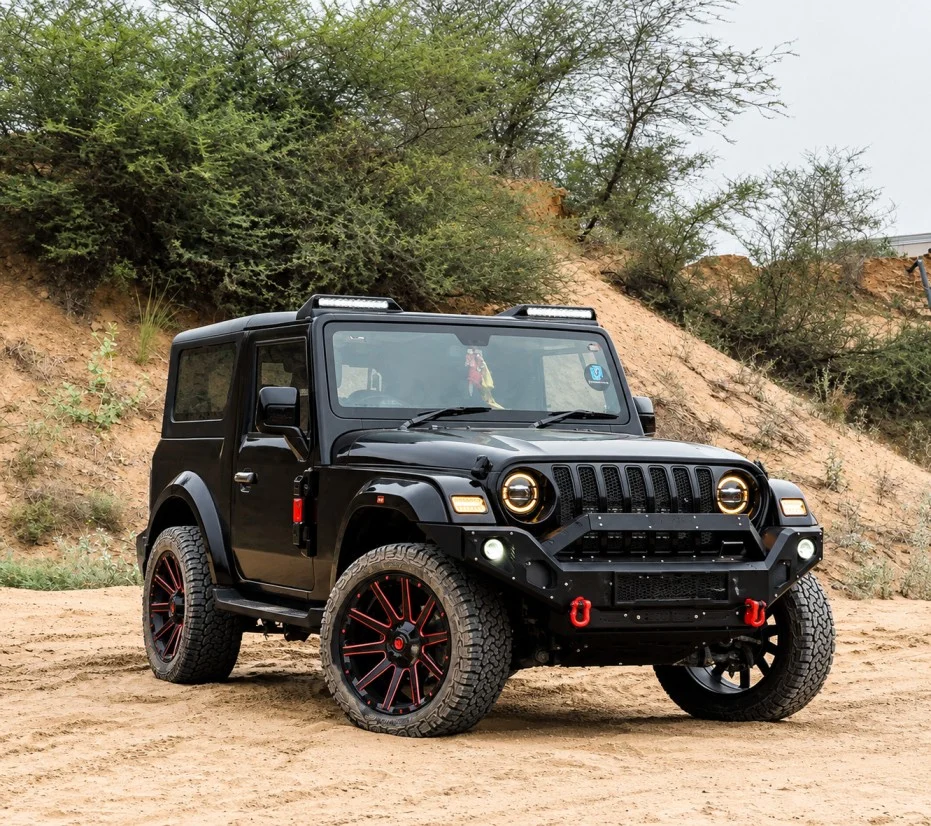
A lot of upgrade decisions go wrong because the surface request gets treated as the whole story. I want alloy wheels is a symptom. The cause underneath it is usually one of a few specific things: the stock stance looks too narrow, the vehicle feels less planted on uneven terrain than expected, or another Thar seen on a trail or online just looked better. None of those causes actually require a full wheel replacement to fix.
Diagnosis One: The Stance Looks Narrow
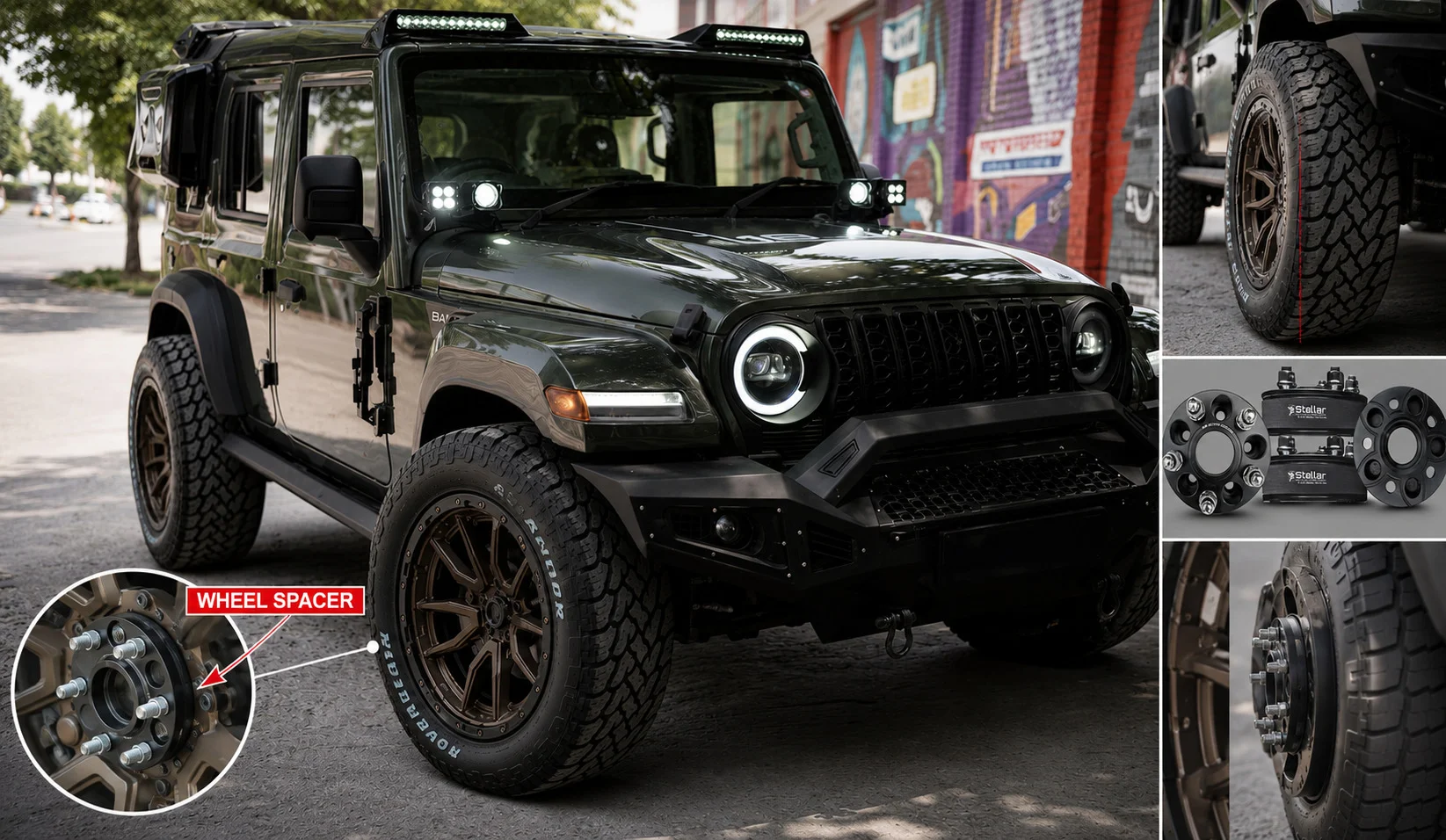
This is the most common underlying cause, and it has a direct, lower-cost fix: wheel spacers. A spacer pushes the existing wheel and tire assembly outward, which is exactly the visual and functional change most owners are picturing when they say alloy wheels — without the cost of replacing the wheels themselves.
Diagnosis Two: I Want Better Stability Off-Road
Also a spacer job, not necessarily an alloy wheel job. Widening the stance improves stability on uneven or off-camber terrain regardless of which wheel is doing the widening — the stock wheel with a spacer achieves much of this benefit directly.
Diagnosis Three: I Genuinely Want a Different Wheel Look or a Wider Tire
This is the one case where the original question was actually correct — alloy wheels are the right answer here, because a spacer doesn't change the wheel's design or (on its own) allow for a meaningfully wider tire. If this is the actual cause, a few things matter more than most first-time buyers expect: offset has to match the Thar's factory geometry, since a mismatched offset causes rubbing or throws off handling; load rating needs to suit off-road use specifically, not just daily driving; and fitment is worth verifying with a specialist before buying, since a wrong alloy wheel purchase is expensive to undo.
Being Direct About the Actual Answer Available
Thar4x4Products doesn't carry alloy wheels — only wheel spacers. That's worth saying plainly, not glossed over. But for Diagnosis One and Diagnosis Two above — which cover a large share of owners who start out asking about alloys — that's not a limitation, because spacers are already the right answer to those specific underlying causes.
The range covers both Thar and Thar Roxx: the Thar 35mm spacer for a moderate stance increase, the Thar 50mm spacer for a more noticeable change, and for the Roxx, the 25mm and 50mm options depending on how pronounced the stance change should be.
The One Detail That Matters Regardless of Diagnosis
If spacers end up being the fix, sizing is what separates a good upgrade from a future problem. Spacers change the load path through the wheel bearing and hub — correctly sized and properly torqued, that's a non-issue. Mismatched sizing, or grabbing the largest spacer available rather than the one actually suited to the vehicle, is where long-term bearing wear tends to originate.
Frequently Asked Questions
How do I know which diagnosis actually applies to me?
Ask what specifically prompted the alloy wheel interest — a look in a photo, a feeling on the trail, or a genuine desire for a different wheel design. The first two usually point to spacers; the third points to alloys.
Can spacers and alloy wheels ever both make sense together?
Yes, for owners who want both a genuine wheel design change and additional stance beyond what the new alloys alone provide — though this needs careful fitment checking across both changes at once.
Is the spacer fix as effective as it sounds, or is it a compromise?
For stance and stability specifically, it's a direct fix, not a compromise — the visual and functional change is real, just achieved differently than a full wheel swap.
What's the actual risk if I get the diagnosis wrong?
Mostly wasted money — buying alloy wheels for a problem spacers would have solved more cheaply, or vice versa if a genuine styling change was actually wanted.
Conclusion
Most should I get alloy wheels questions are really questions about stance and stability, and those get answered directly by wheel spacers rather than a full wheel replacement. For the cases where a genuine wheel design change is the real goal, alloy wheels are worth pursuing carefully, with fitment as the priority. For the spacer path specifically, Thar4x4Products carries the range built for both Thar and Thar Roxx setups.