Sign up with Google
 Sign in with Zoho

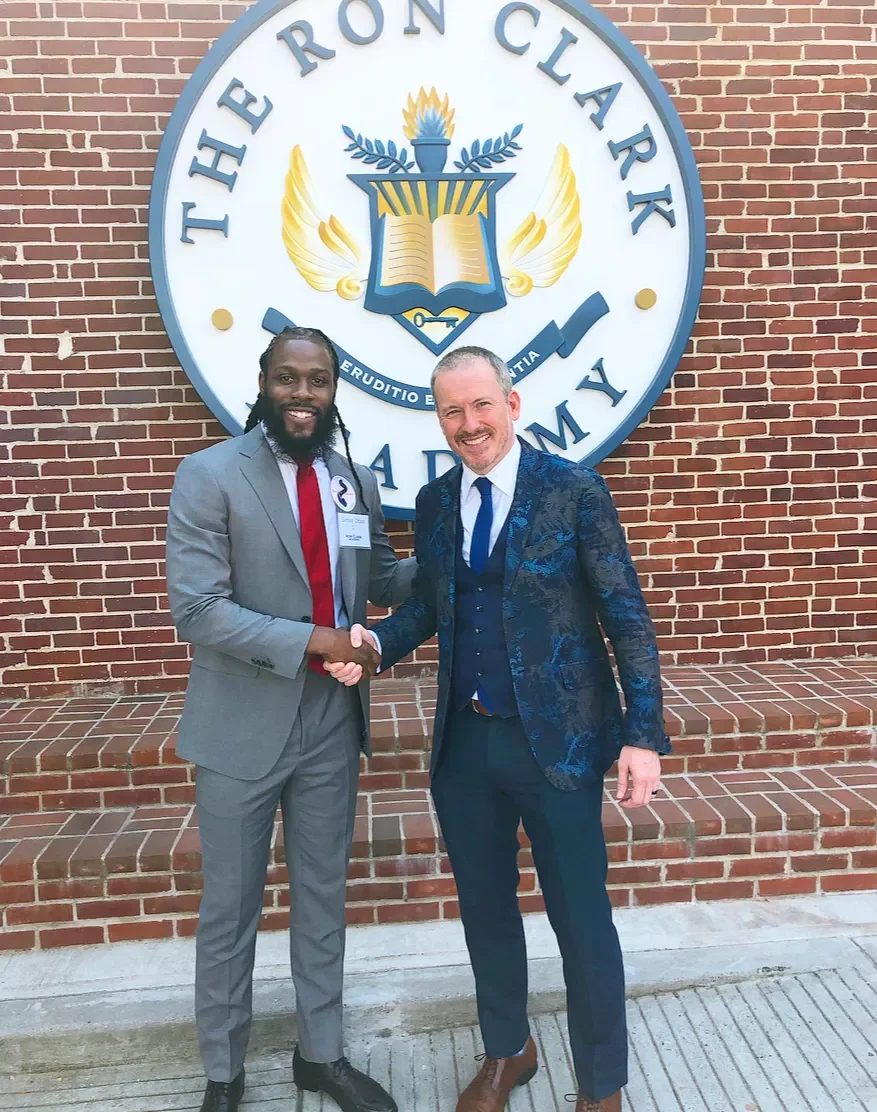
Schools are shaped by far more than lesson plans, academic standards, and examination results. Their long-term success also depends on the quality of leadership, the confidence of educators, and the relationships that connect students, families, and school communities. Effective educational leaders understand that improving a school requires attention to both academic outcomes and the people responsible for achieving them.
Dr Simon Obas has developed his career around these interconnected aspects of school leadership. His professional experience includes school administration, organizational development, instructional improvement, and building stronger workplace cultures. His work offers a useful perspective on how education leaders can approach school improvement as an ongoing process rather than a collection of isolated initiatives.
Looking Beyond Academic Performance to Improve Schools
Educational leadership involves balancing several priorities at once. School administrators must support teachers, maintain operational standards, communicate with families, and ensure that students receive meaningful learning opportunities. These responsibilities require a clear vision, but they also demand the ability to turn that vision into practical decisions.
Why School Culture Deserves Leadership Attention
A school’s culture influences how educators collaborate, how students respond to challenges, and how families engage with the institution. When communication is inconsistent or staff members feel excluded from decisions, even well-designed academic initiatives can encounter resistance.
Leaders can address these challenges by creating reliable channels for feedback and establishing clear expectations. Teachers should understand their responsibilities, know where to seek support, and have opportunities to contribute ideas. Regular conversations about classroom needs can help administrators identify problems before they become larger organizational concerns.
The leadership approach associated with Dr Simon Obas emphasizes the relationship between workplace culture and school performance. His experience illustrates why school improvement should consider the conditions in which educators work, not only the results students produce.
Turning Educational Goals Into Practical Systems
A school may have ambitious objectives for student achievement, but those objectives need effective systems behind them. Administrators must translate broad priorities into manageable actions, assign responsibilities, establish timelines, and review progress.
For example, a school seeking to improve literacy outcomes might examine curriculum alignment, instructional practices, teacher development, student assessment, and intervention procedures. Each element contributes to the overall objective, but progress becomes difficult to evaluate when these activities operate independently.
Strong leadership connects these components through consistent planning and communication. Dr. Simon Obas reflects the importance of connecting educational priorities with practical leadership strategies that support school improvement. It also creates opportunities to adjust strategies when evidence suggests that an approach is not working as intended.
For school leaders, the important lesson is that improvement requires more than announcing new priorities. Teams need the resources, guidance, and accountability structures necessary to put those priorities into practice.
Read More :- Dr Simon Obas