Sign up with Google
 Sign in with Zoho

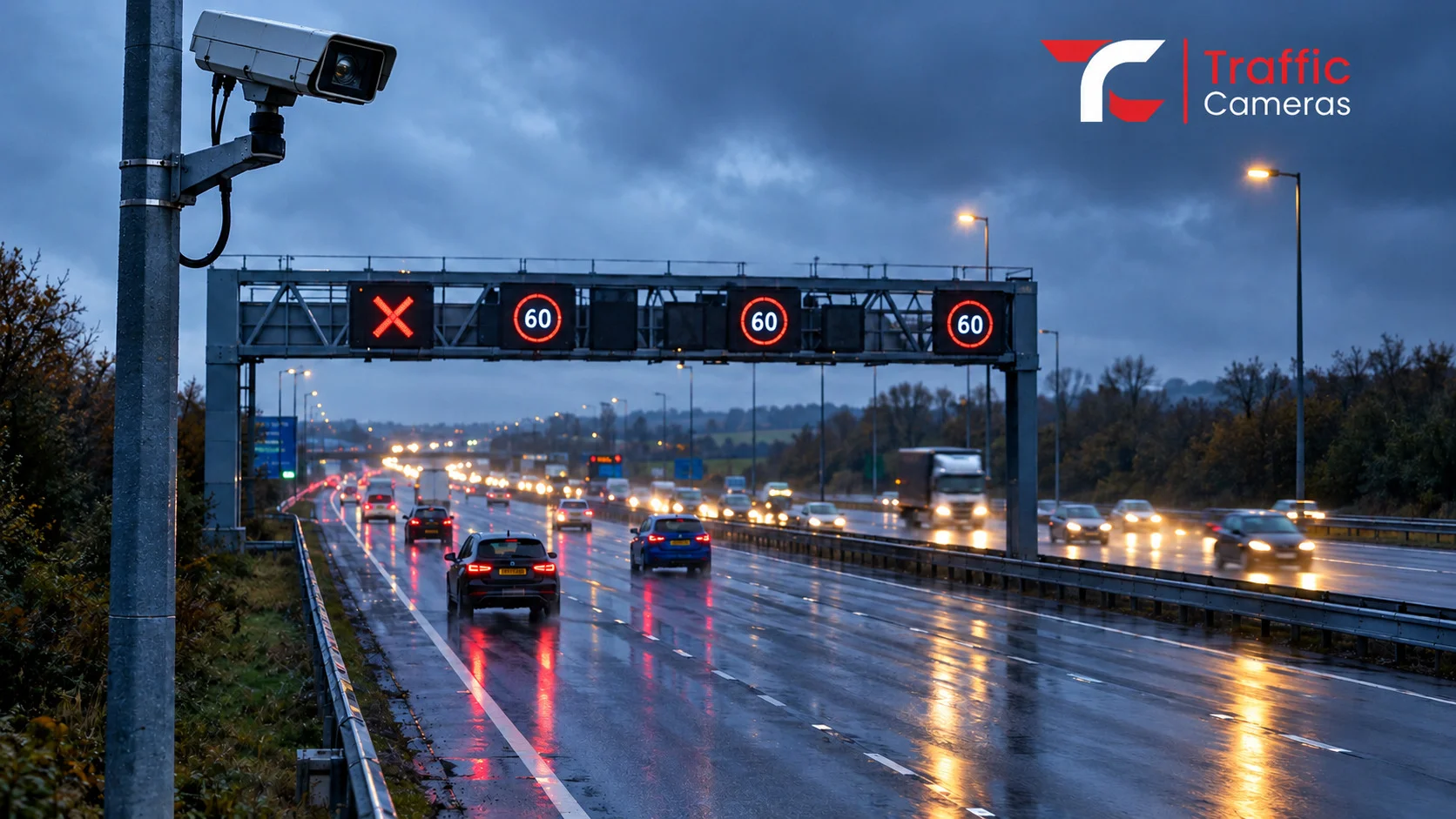
Smart motorways use cameras, sensors, electronic signs and other technology to monitor traffic and manage changing road conditions. However, the technology can sometimes be misunderstood by drivers. Over time, several Smart Motorway Camera Myths have become common online, particularly around speed enforcement, camera flashes and what different motorway cameras actually do.
Knowing what these cameras are designed to do can help drivers make better decisions and avoid relying on outdated information.
Not Every Camera Is a Speed Camera
One of the most common assumptions is that every camera positioned on a smart motorway is there to catch speeding drivers.
In reality, motorway camera systems can have different purposes. Some cameras help control centres monitor traffic and investigate incidents. Others support systems designed to identify stopped vehicles, monitor traffic flow or provide visual information when congestion develops.
Speed enforcement is only one part of the wider technology used on smart motorways.
This means seeing a camera on a gantry or roadside does not automatically mean that a driver's speed is being measured at that exact location.
Why Average Speed Cameras Are Different
Average speed cameras work differently from traditional fixed speed cameras.
Instead of measuring a vehicle's speed at a single point, an average-speed system can use automatic number plate recognition to record a vehicle at two or more locations. The system can then calculate how long the vehicle took to travel between those points.
This is why the idea that a driver is safe simply because a camera did not flash is unreliable.
Some drivers still associate speed enforcement with a visible flash, but not every camera system operates in this way. Understanding the technology is more useful than trying to determine whether a camera has flashed.
Variable Speed Limits Must Be Taken Seriously
Smart motorways can use variable speed limits to respond to traffic conditions, incidents and other situations.
A speed limit displayed inside a red circle is mandatory. Drivers should therefore pay attention to every gantry and follow the latest displayed limit rather than assuming that the national motorway speed limit remains in place.
Variable limits can change during a journey, particularly when congestion starts building or an incident occurs further ahead.
Drivers should also remember that the restriction applies for the relevant section of road, not simply for the few metres around the sign.
Red X Signs Are Another Important Part of Smart Motorways
Smart motorway technology is not only concerned with speed.
A Red X displayed above a lane means that the lane is closed. Drivers must not continue travelling in that lane and should move safely into an available lane when possible.
Lane closures can be activated because of breakdowns, collisions, debris, roadworks or other hazards. Cameras and detection systems can help operators identify these situations and respond more quickly.
Ignoring a Red X can therefore create a serious safety risk for both the driver and other road users.
Weather Does Not Automatically Stop Camera Systems
Another misconception is that motorway cameras cannot work properly in poor weather.
Rain, darkness, fog and low winter sunlight can affect image quality, just as they affect what a driver can see. However, poor weather does not mean that motorway monitoring systems simply stop operating.
Drivers should never assume that a camera is ineffective because conditions are difficult.
In fact, adverse weather is one reason why traffic monitoring and incident detection can be particularly useful.
Why Smart Motorway Camera Myths Continue
Many Smart Motorway Camera Myths come from older camera technology or from experiences with a particular type of enforcement camera.
Technology has changed considerably over the years. A piece of equipment that worked in one way in the past may not represent how modern motorway systems operate.
Online discussions can also turn a specific situation into a general rule. For example, one driver may report that a particular camera did not flash, leading others to assume that all motorway cameras work in the same way.
Drivers should therefore be careful with claims based purely on camera appearance, flashing lights or personal experiences.
Check Real Road Conditions Before Travelling
Understanding motorway cameras is useful, but drivers also benefit from checking actual road conditions before starting a journey.
Live traffic information can provide a better picture of congestion, incidents, hazards and conditions along a planned route. Instead of relying on assumptions about what a camera may or may not be doing, drivers can use current information to prepare for their journey.
For those looking to understand the technology in more detail, Traffic Cameras.info guide to Smart Motorway Camera Myths explains several common claims about UK motorway cameras and the facts behind them.
Ultimately, the safest approach is straightforward: follow displayed speed limits, obey Red X lane closures, remain alert to changing traffic conditions and avoid relying on camera myths. Smart motorway technology is designed for more than speed enforcement, and understanding its wider role can make motorway driving safer and more informed.