Sign up with Google
 Sign in with Zoho
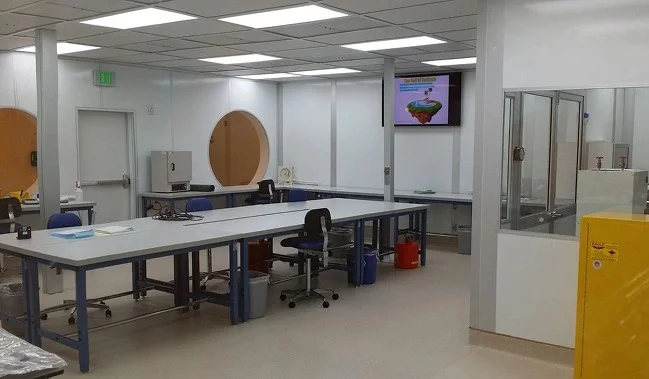
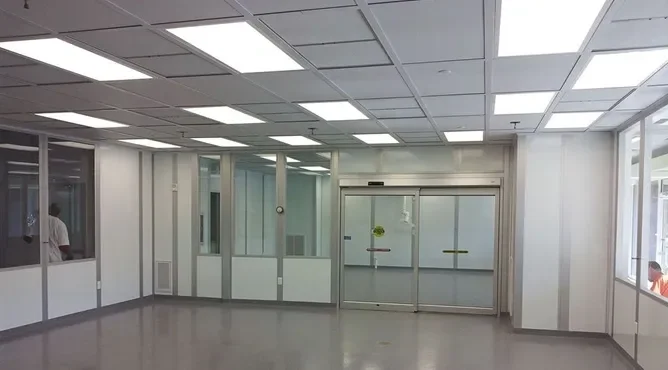
Drug production is not something you can rush or guess your way through. In Pharmaceutical Manufacturing, every capsule, vial, and injection that reaches a patient has to be made in conditions that keep contamination out. That is where cleanrooms come in. If you are new to this world, or if you just need a refresher before your next facility upgrade, this guide breaks down what actually matters.
What a Cleanroom Really Does in Drug Production
A cleanroom is a controlled space built to limit dust, microbes, and other particles that could ruin a batch of medicine. Think of it as a filter for the entire room, not just the air handling unit. Walls, floors, doors, and even the clothing worn inside all play a part in keeping the space clean.
Without this kind of control, a single speck of dust could contaminate an entire production run. That is a costly mistake, and in some cases, a dangerous one for the people who eventually take the medication.
Air Quality and Filtration Standards
Air is the biggest threat to a clean environment because it moves everywhere. HEPA filters, and in some cases ULPA filters, remove particles down to a fraction of a micron before air enters the room. Air changes per hour, meaning how often the entire volume of air in a room gets replaced, is another number that gets checked closely during inspections.
Pressure also matters. Rooms are usually kept a higher pressure than the hallway outside, so air pushes out through doors and gaps instead of pulling contaminated air in. Getting this balance right takes careful engineering, not guesswork.
Personnel and Gowning Protocols
People are actually the biggest source of contamination in most cleanrooms. Skin cells, hair, and even breath carry particles that can ruin a sterile environment. That is why gowning protocols exist. Depending on the classification of the room, workers might need coveralls, hoods, gloves, booties, and face masks before they even step inside.
Training matters here just as much as the gear itself. A worker who does not know how to gown correctly, or who skips a step under time pressure, can undo months of careful facility design in seconds.
Layout and Material Flow
Good cleanroom design is not just about filters and pressure. Where equipment sits, how materials move from one stage to the next, and how workers travel through the space all affect contamination risk. A poorly planned layout forces people to backtrack through clean areas with dirty materials, which raises the chance of cross contamination.
Smart layouts separate clean zones from less clean ones and keep material flow moving in one direction whenever possible. This is often called unidirectional flow, and it is one of the simplest ways to cut down on risk without adding extra cost.
Common Mistakes to Avoid
A lot of facilities run into trouble because they treat cleanroom design as an afterthought instead of planning it from day one. Some common mistakes include:
- Choosing a classification that is too low for the actual process
- Skipping regular filter maintenance and testing
- Underestimating how much space gowning areas actually need
- Ignoring how equipment vibration or heat can affect air quality
- Failing to train staff on protocols beyond the first week
Fixing these issues after construction is far more expensive than getting them right the first time.
Planning for Pharmaceutical Manufacturing Success
Every part of a cleanroom, from the air filtration down to the gowning room layout, exists to protect the product and the people who eventually use it. Getting these requirements right takes more than reading a checklist. It takes real experience with pharmaceutical manufacturing spaces and the standards that govern them.
This is where working with a team that understands pharmaceutical manufacturing from the ground up makes a real difference. UltraPure Technology has spent years designing and building cleanrooms that meet strict compliance standards without unnecessary cost or delay, giving pharmaceutical facilities a solid foundation to build on for years to come.