Sign up with Google
 Sign in with Zoho

Introduction
Modern dental care is no longer focused solely on treating oral health concerns. Today's dental practices strive to deliver precise clinical outcomes while creating a comfortable, efficient, and positive experience for every patient. As advances in technology continue to reshape the industry, dentists have access to sophisticated tools and workflows that improve accuracy, reduce treatment times, and increase patient confidence.
Precision is essential because even minor discrepancies can affect the fit, function, and longevity of dental restorations. At the same time, patient satisfaction has become a key measure of success, influencing treatment acceptance, referrals, and long-term relationships with a practice. By combining innovative technologies with patient-centered approaches, dental professionals can achieve both goals. Here are seven methods dental practices use to improve precision and patient satisfaction.
Embracing Digital Impression Technology
Traditional dental impressions have long been associated with discomfort, lengthy appointments, and occasional inaccuracies. Digital impression systems offer a more efficient alternative by capturing highly detailed images of a patient's teeth and oral structures.
These digital scans provide precise data that can be used for restorations, orthodontic treatment planning, and implant procedures. Patients appreciate the faster, cleaner process, while clinicians benefit from improved accuracy and reduced chances of impression-related errors. The result is a smoother experience for both providers and patients.
Utilizing Advanced Diagnostic Imaging
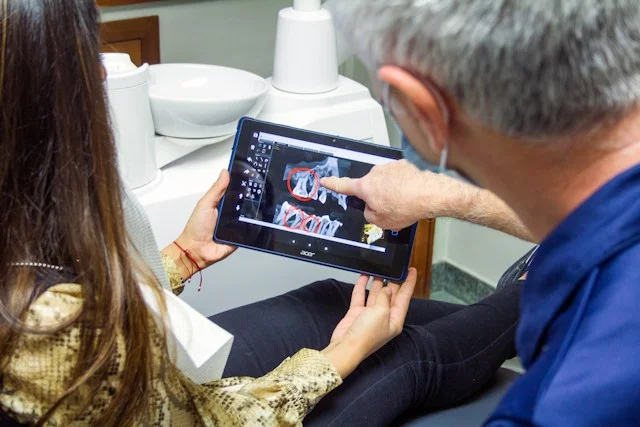
Accurate diagnosis serves as the foundation for successful treatment. Advanced imaging technologies such as cone beam computed tomography (CBCT) and high-resolution digital radiography allow clinicians to view oral structures in exceptional detail.
These tools help identify underlying issues that may not be visible through conventional examinations. By gaining a clearer understanding of bone density, tooth positioning, and anatomical structures, dentists can develop more precise treatment plans while minimizing unexpected complications during procedures.
Enhancing Treatment Planning Through Digital Workflows
Digital workflows have transformed the planning stage of many dental procedures. By integrating imaging, scanning, and design software, clinicians can create highly detailed virtual treatment plans before beginning treatment.
These systems allow dental teams to evaluate different approaches, predict outcomes, and communicate plans more effectively. Patients often feel more comfortable moving forward with treatment when they can visualize expected results and understand each step of the process.
Improving Implant Accuracy With Innovative Technologies
Implant dentistry demands exceptional precision, particularly when treating complex or full-arch cases. Even small deviations can impact restoration fit, comfort, and long-term success.
To enhance accuracy, many practices integrate technologies such as dental photogrammetry into their implant workflows. This advanced approach captures highly accurate implant position data, helping clinicians and laboratories create restorations that fit more precisely. Improved accuracy often translates to fewer adjustments, shorter appointments, and greater patient satisfaction.
Strengthening Communication and Patient Education
Patients are more likely to feel confident about their care when they fully understand their treatment options. Effective communication helps establish trust and reduces anxiety, particularly for individuals undergoing extensive dental procedures.
Modern practices often use digital models, treatment simulations, educational videos, and visual presentations to explain procedures clearly. By involving patients in the decision-making process, dental teams can manage expectations and improve overall satisfaction throughout treatment.
Implementing CAD/CAM Restorative Solutions
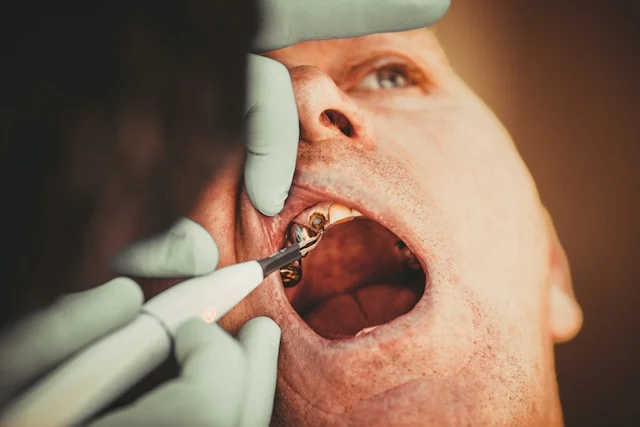
Computer-Aided Design and Computer-Aided Manufacturing (CAD/CAM) technology has significantly improved restorative dentistry. These systems enable the design and production of crowns, bridges, veneers, and other restorations with remarkable precision.
Because restorations are created using highly accurate digital data, they often require fewer modifications and fit more comfortably. In many cases, treatment timelines can be shortened, reducing the number of visits required and enhancing the patient experience.
Focusing on Continuous Team Training
Technology alone cannot guarantee outstanding results. The knowledge and skills of the dental team play an equally important role in delivering precise care and maintaining high levels of patient satisfaction.
Successful practices invest in ongoing education, clinical training, and professional development. Regular training ensures team members stay informed about evolving technologies, treatment techniques, and patient care strategies. A knowledgeable team is better equipped to provide efficient service, answer patient questions, and deliver consistently high-quality care.
Conclusion
Improving precision and patient satisfaction requires a combination of advanced technology, strategic planning, effective communication, and ongoing professional development. Digital impressions, advanced imaging, comprehensive treatment planning, innovative implant workflows, patient education initiatives, CAD/CAM solutions, and continuous training all contribute to better clinical outcomes and more positive patient experiences.
As dental technology continues to evolve, practices that embrace these methods will be well-positioned to provide efficient, accurate, and patient-centered care. By focusing on both technical excellence and the overall treatment experience, dental professionals can build stronger patient relationships while achieving consistently successful results.








.webp)