Sign up with Google
 Sign in with Zoho

Introduction
Ophthalmology advances at an unprecedented pace and brings new hope to millions of people affected by vision disorders and eye diseases. From groundbreaking surgical technologies to new therapies that target untreatable conditions modern eye care changes the way physicians diagnose, manage and prevent vision loss. These developments improve patient outcomes and make treatments more precise less invasive and more accessible.
As researchers and clinicians continue to push the boundaries of medical science several breakthroughs stand out for their potential to reshape the future of eye health. Understanding these emerging developments can help patients, caregivers and healthcare professionals stay informed about the remarkable progress taking place in the field.
Artificial Intelligence for Faster Diagnosis
Artificial intelligence (AI) has become one of the most exciting developments in ophthalmology. Advanced AI systems can analyze retinal scans and detect subtle abnormalities that may be difficult to identify during routine examinations.
These technologies assist eye care professionals in the diagnosis of conditions such as diabetic retinopathy, glaucoma, and retinal diseases earlier than ever before. By identifying problems at an earlier stage, AI-driven tools can support prompt intervention and improve long-term visual outcomes.
Also, AI helps streamline clinical workflows and enables specialists to evaluate large numbers of patients more while maintaining high diagnostic accuracy.
Gene Therapy for Inherited Eye Conditions
Gene therapy is opening new possibilities for patients with inherited retinal disorders that were once considered untreatable. These therapies work by delivering healthy genetic material to affected cells, helping restore or preserve visual function.
Researchers continue to explore treatments for various genetic eye diseases, including retinitis, pigmentosa and certain forms of congenital blindness. While gene therapy is still in early development, successes have shown its potential to provide lasting benefits for selected patients.
As clinical trials expand, gene-based treatments could alter the outlook for individuals with inherited vision loss.
Advanced Retinal Imaging Technologies
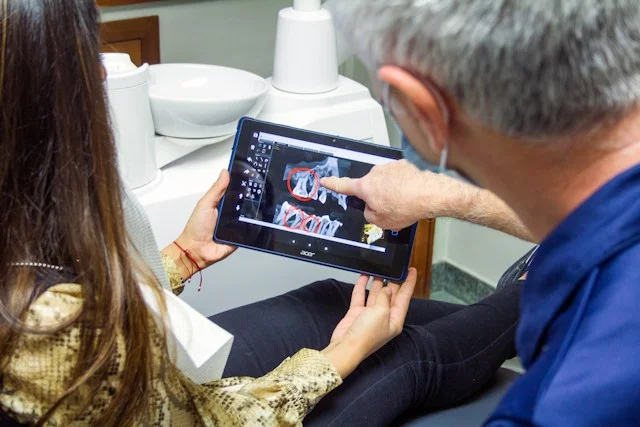
Modern retinal imaging systems provide clinicians with unprecedented views of the eye's internal structures. Technologies such as optical coherence tomography (OCT) allow specialists to visualize retinal layers in extraordinary detail.
These high-resolution images help physicians detect subtle changes before symptoms become severe. Enhanced imaging capabilities have an influence on more accurate treatment planning and ongoing monitoring of disease progression.
The improved precision offered by these tools contributes to earlier diagnoses and more personalized care for patients with complex eye conditions.
Longer-Lasting Treatments for Retinal Diseases
One of the most significant advancements in retinal care involves the development of therapies that reduce treatment frequency while maintaining effectiveness.
Patients who undergo treatments for retinal disorders often need repeated injections and frequent monitoring. New medications and sustained-release delivery systems aim to extend treatment intervals and improve patient convenience.
These breakthroughs are promising for individuals receiving therapies focused on treating age-related macular degeneration, as they may reduce the burden of ongoing care while preserving vision over the long term.
Minimally Invasive Glaucoma Surgery
Glaucoma remains one of the leading causes of irreversible blindness worldwide. Advances in invasive glaucoma surgery (MIGS) provide safer and more effective treatment options for many patients.
These procedures use tiny devices and specialized techniques to improve fluid drainage within the eye and help lower intraocular pressure. Compared with traditional glaucoma surgeries, MIGS procedures often involve shorter recovery times and fewer complications.
As technology continues to evolve invasive approaches are becoming a more critical part of comprehensive glaucoma management.
Smart Contact Lenses
Smart contact lenses represent an exciting intersection of healthcare and wearable technology. Unlike traditional contact lenses, these forward-thinking devices are designed to perform additional functions beyond vision correction.
Researchers are developing smart lenses capable of monitoring eye health indicators, measuring glucose levels, and even tracking ocular pressure in glaucoma patients. Some projects underway are exploring augmented reality applications as well.
Although many of these technologies remain under development, they highlight the growing role digital new ideas have in eye care.
Customized Laser Vision Correction
Laser vision correction procedures have become more precise through advanced mapping and customization technologies. Modern systems can analyze the unique characteristics of each patient's cornea and visual profile before treatment.
This personalized approach allows surgeons to create tailored treatment plans that account for subtle optical imperfections. As a result, patients often experience improved visual outcomes and enhanced satisfaction.
The trend toward customization reflects a broader movement within ophthalmology toward individualized care designed to meet each patient's specific needs.
Regenerative Medicine and Stem Cell Research
Regenerative medicine is another area of ophthalmic research that shows great promise. Scientists explore ways to use stem cells and tissue engineering to repair or replace damaged eye tissues.
Potential applications include restoration of corneal function, repair of retinal damage, and treatment of degenerative eye diseases that have limited treatment options. While much of this work remains in the research phase, early findings suggest substantial potential for future therapeutic breakthroughs.
As regenerative technologies mature, they may offer new strategies to preserve and restore vision.
Conclusion
The field of ophthalmology experiences a period of extraordinary change. New advances in artificial intelligence, gene therapy, retinal imaging, glaucoma treatment smart devices, customized laser procedures, and regenerative medicine transform how eye diseases are diagnosed and treated.
These developments show a future where vision care becomes more precise, personalized, and effective. As research moves forward and new technologies reach clinical practice, patients can expect better treatment options and more opportunities to protect their eyesight for years ahead.