Sign up with Google
 Sign in with Zoho

Introduction
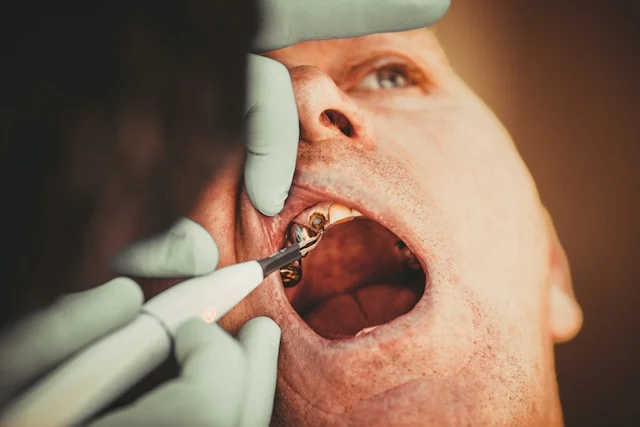
Surgical care has undergone remarkable transformation over the past few decades. Procedures that once required lengthy hospital stays, large incisions, and extended recovery periods can now often be performed with greater precision, less discomfort, and faster healing. These advancements have not only improved clinical outcomes but have also significantly enhanced the overall patient experience.
Modern surgical innovations focus on reducing risks, minimizing pain, accelerating recovery, and increasing patient confidence throughout the treatment journey. From advanced imaging technologies to personalized treatment planning, today's surgical approaches are designed to make care safer and more efficient than ever before. Understanding these developments can help patients feel more informed and empowered when considering surgical treatment.
Minimally Invasive Surgical Techniques
One of the most significant advancements in modern healthcare is the widespread adoption of minimally invasive surgical procedures. These techniques utilize small incisions, specialized instruments, and advanced visualization tools to perform complex surgeries with less disruption to surrounding tissues.
Compared to traditional open surgery, minimally invasive procedures often result in reduced pain, lower infection risks, shorter hospital stays, and faster recovery times. Patients can frequently return to their normal activities sooner while experiencing less postoperative discomfort.
Applications of minimally invasive techniques extend across numerous medical specialties, including orthopedics, gynecology, gastrointestinal surgery, and cardiovascular care. As technology continues to evolve, surgeons are able to perform increasingly sophisticated procedures with exceptional precision and improved patient outcomes.
Advanced Imaging and Surgical Planning
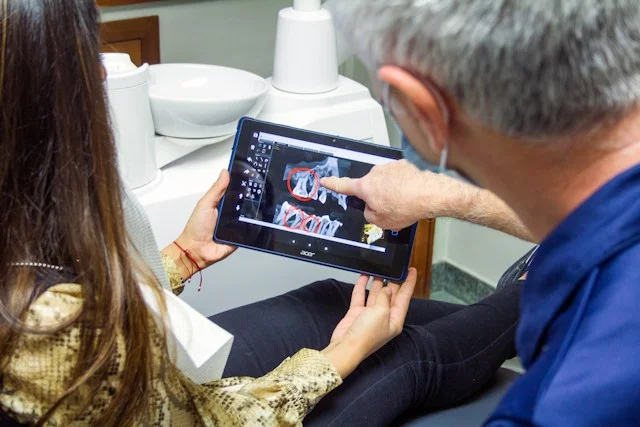
Modern imaging technology has transformed the way surgeons evaluate and prepare for procedures. High-resolution CT scans, MRI imaging, and three-dimensional diagnostic models provide detailed views of anatomical structures before surgery begins.
These tools allow surgical teams to plan procedures more accurately, identify potential challenges, and customize treatment strategies based on each patient's unique anatomy. Improved visualization contributes to enhanced precision during surgery and helps reduce the likelihood of unexpected complications.
In specialized fields such as advanced oral and maxillofacial surgery, detailed imaging plays a critical role in treatment planning. Surgeons can carefully assess bone structure, nerve pathways, and surrounding tissues, allowing them to perform procedures with greater confidence and accuracy while prioritizing patient safety.
Robotic-Assisted Surgical Systems
Robotic-assisted surgery represents another groundbreaking advancement that is reshaping patient care. Contrary to common misconceptions, surgical robots do not replace surgeons. Instead, they enhance a surgeon's capabilities by providing improved dexterity, control, and visualization.
Robotic systems can perform highly precise movements that may be challenging to achieve through conventional techniques alone. These systems often feature magnified three-dimensional views that enable surgeons to operate with exceptional accuracy.
Patients benefit through smaller incisions, reduced blood loss, lower complication rates, and quicker recovery periods. Many individuals also report less postoperative pain and a more comfortable healing process. As robotic technology continues to advance, its role in improving surgical outcomes is expected to expand across a variety of medical specialties.
Enhanced Anesthesia and Pain Management
Modern anesthesia techniques have dramatically improved patient comfort and safety throughout surgical procedures. Today's anesthesiologists utilize sophisticated monitoring systems and personalized medication strategies that help ensure optimal care before, during, and after surgery.
Enhanced recovery protocols often incorporate multimodal pain management approaches, combining different therapies to minimize reliance on opioid medications. This strategy helps reduce side effects while effectively controlling discomfort.
Patients now frequently experience smoother recoveries, fewer complications related to pain medications, and a faster return to normal function. Improved anesthesia practices also contribute to better overall satisfaction by reducing anxiety and creating a more positive surgical experience from start to finish.
Personalized Recovery and Enhanced Recovery Programs
Healthcare providers increasingly recognize that recovery should be tailored to each patient's specific needs. Enhanced Recovery After Surgery (ERAS) programs have emerged as a patient-centered approach designed to support healing and improve outcomes.
These programs combine evidence-based practices that begin before surgery and continue throughout recovery. Components may include nutritional guidance, physical activity recommendations, pain management strategies, and patient education initiatives.
The goal is to help patients regain strength and mobility more quickly while reducing complications and hospital stays. By actively involving patients in their own recovery process, healthcare teams can create a more supportive experience that promotes confidence and encourages long-term success.
Digital Health Tools and Improved Patient Communication
Technology is also transforming the way patients interact with surgical teams. Digital health platforms, telemedicine consultations, secure patient portals, and mobile health applications make communication more convenient and accessible.
Patients can now receive preoperative instructions, review educational materials, schedule appointments, and communicate with healthcare providers without unnecessary travel or delays. Virtual follow-up visits can often streamline recovery monitoring while maintaining continuity of care.
These tools help patients stay informed throughout their surgical journey, reducing uncertainty and improving engagement. Better communication leads to more realistic expectations, stronger patient-provider relationships, and greater satisfaction with the overall treatment experience.
Conclusion
The future of surgical care continues to be shaped by innovations that place patient well-being at the center of treatment. Advances such as minimally invasive procedures, sophisticated imaging, robotic-assisted systems, improved anesthesia techniques, personalized recovery programs, and digital communication tools are redefining what patients can expect from surgery.
Together, these developments are making surgical care safer, more precise, and more comfortable than ever before. As healthcare technology continues to evolve, patients can look forward to even greater improvements in treatment experiences, recovery outcomes, and overall quality of care. By embracing modern surgical innovations, medical professionals are helping individuals navigate procedures with greater confidence, comfort, and peace of mind.













.webp)