Sign up with Google
 Sign in with Zoho

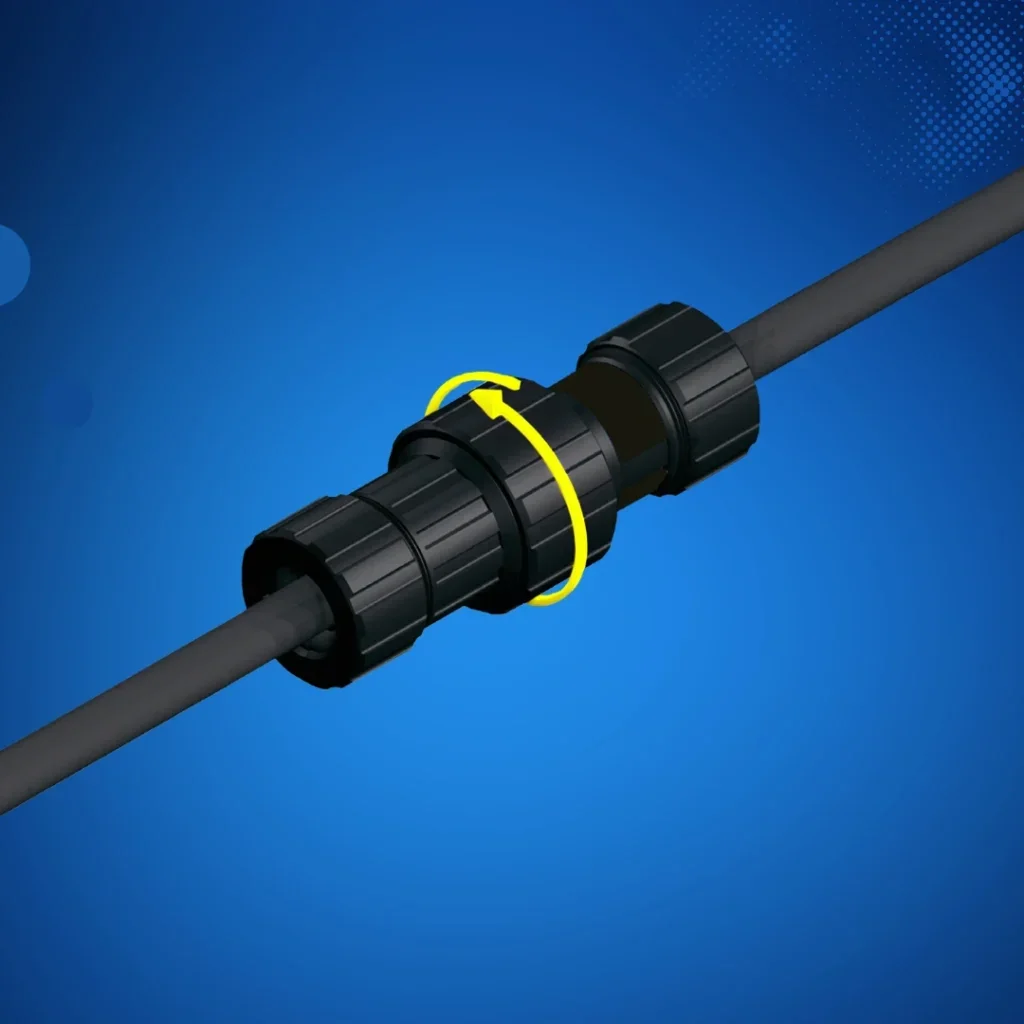
If you've ever watched a bad cable joint fail mid-project, you already know why this matters. A loose connection doesn't just cause a nuisance fault — it can mean downtime, a burnt-out panel, or worse, someone getting hurt. So when electrical teams go looking for a way to join power cables, they're not just comparing price tags. They're trying to figure out what will actually hold up.
The LugIt Power Cable Joining System is one of the options that comes up in that search. Whether it's the right fit for your job depends on a handful of practical things: the cables you're working with, how the installation needs to perform, and what the manufacturer actually says it's built for. This guide walks through what's worth checking before you commit to it.
What the LugIt System Actually Is
At its core, a cable joining system does one job: it connects two cables while keeping the electrical path as reliable as the cable itself. Simple in concept, but the execution has to account for conductor material, cable size, and whatever conditions the installation will face day to day.
That's where the LugIt system fits in — as one option to weigh against your project's actual technical needs, not a default pick. Before anyone orders it, it's worth pulling up the manufacturer's product documentation and reading it properly: what it's meant to connect, what cable types it's compatible with, and how it's supposed to be installed. Skipping that step is how teams end up with a joining solution that doesn't match the job.
Start With Cable Compatibility
This is the first thing to nail down, and honestly, it's where a lot of mistakes happen. No cable joining product works equally well across every conductor material, every size, every construction type — assuming otherwise is a risk you don't need to take.
Before you place an order, confirm the conductor type, the cross-sectional area, and the cable's configuration. Then check that against what the LugIt system is actually rated to handle. It's also worth reading through the manufacturer's notes on approved components and installation methods — using a product outside its specified range is one of the fastest ways to end up with a connection that's mechanically weak or electrically unreliable, even if it looks fine going in.
Don't Skip the Electrical Ratings
Every connection has to suit the conditions it'll actually operate in — not the conditions on a spec sheet in ideal lab circumstances. Confirm the voltage and current the installation demands, and don't forget temperature limits and whatever environmental exposure the site brings with it.
The joining system also needs to meet whatever electrical safety standards apply to your project. Depending on what you're building, that might touch insulation requirements, mechanical strength, protection from the elements, or specific testing procedures before sign-off. If anything in the technical documentation is ambiguous, don't guess — ask the supplier directly, or loop in a qualified electrical professional before you proceed. It's a cheap question compared to the alternative.
Installation Quality Makes or Breaks It
Here's something worth remembering: even the right joining system, bought for the right reasons, will underperform if it's installed badly. Follow the manufacturer's instructions for cable prep, component positioning, the actual connection method, and any tightening or testing steps they call for. These steps exist for a reason — skipping one because it seems unnecessary is how reliable-looking joints fail later.
Using the right tools matters just as much as following the steps. Improvised equipment, or installation practices that vary from job to job, are a common way to damage components or leave a connection less solid than it looks. And before any of this starts, make sure the work area is properly isolated and standard electrical safety procedures are being followed. This isn't a task for guesswork — installation and verification should be handled by competent personnel working to the applicable regulations.
Think About Where It'll Actually Live
A connection sitting in a climate-controlled panel room has an easy life. One exposed to vibration, heat, moisture, or dust on an industrial floor doesn't — and that difference should shape what you choose. Look closely at the product's stated operating limits and whether they genuinely match the environment it's heading into.
For industrial sites and other demanding installations especially, the connection has to suit the conditions it'll face, not just the conditions it was tested under. It's also worth thinking ahead to inspection access and maintenance — can someone get to this joint easily in two years if something needs checking? Keeping clear installation records helps future technicians know exactly what was used and makes troubleshooting far less of a guessing game.
Check Who's Backing the Product
Before you buy anything, pull up the product datasheets, installation instructions, compatibility notes, and any compliance documentation that's available. A supplier worth working with makes this information easy to find and easy to understand — if you're digging around for basic specs, that's telling you something.
Good technical support matters too, especially when questions come up mid-project about cable sizing, installation methods, or whether a specific application is actually suitable. When you're comparing joining systems, weigh the technical specifications against each other rather than defaulting to whichever option is cheapest. The upfront savings rarely matter if the connection underperforms six months in.
Common Questions
What should I check before buying a LugIt Power Cable Joining System? Cable compatibility, conductor size, electrical ratings, installation requirements, how it'll hold up in the operating environment, and the safety standards that apply to your project.
Why does cable compatibility matter so much? Because a joining component that doesn't match the cable's construction and conductor specs won't deliver a reliable connection — even if everything else about the installation is done correctly.
Who should actually install it? A competent electrical professional, following the manufacturer's instructions and the safety requirements that apply in your jurisdiction. This isn't a DIY step.
What paperwork should I ask the supplier for? Technical datasheets, installation instructions, compatibility information, and any relevant testing or compliance documentation. If they can't produce these easily, treat that as a red flag.
The Bottom Line
None of this is about finding the "best" joining system in the abstract — it's about finding the one that actually matches your installation. The LugIt Power Cable Joining System deserves to be weighed against your project's real technical and safety requirements, not picked because it's the first option that came up.
Check compatibility first. Confirm the ratings. Follow the installation instructions to the letter. And get your information straight from the manufacturer rather than guessing. Do that, and you end up with a connection you don't have to think about again — which, in this line of work, is exactly the point.