Sign up with Google
 Sign in with Zoho

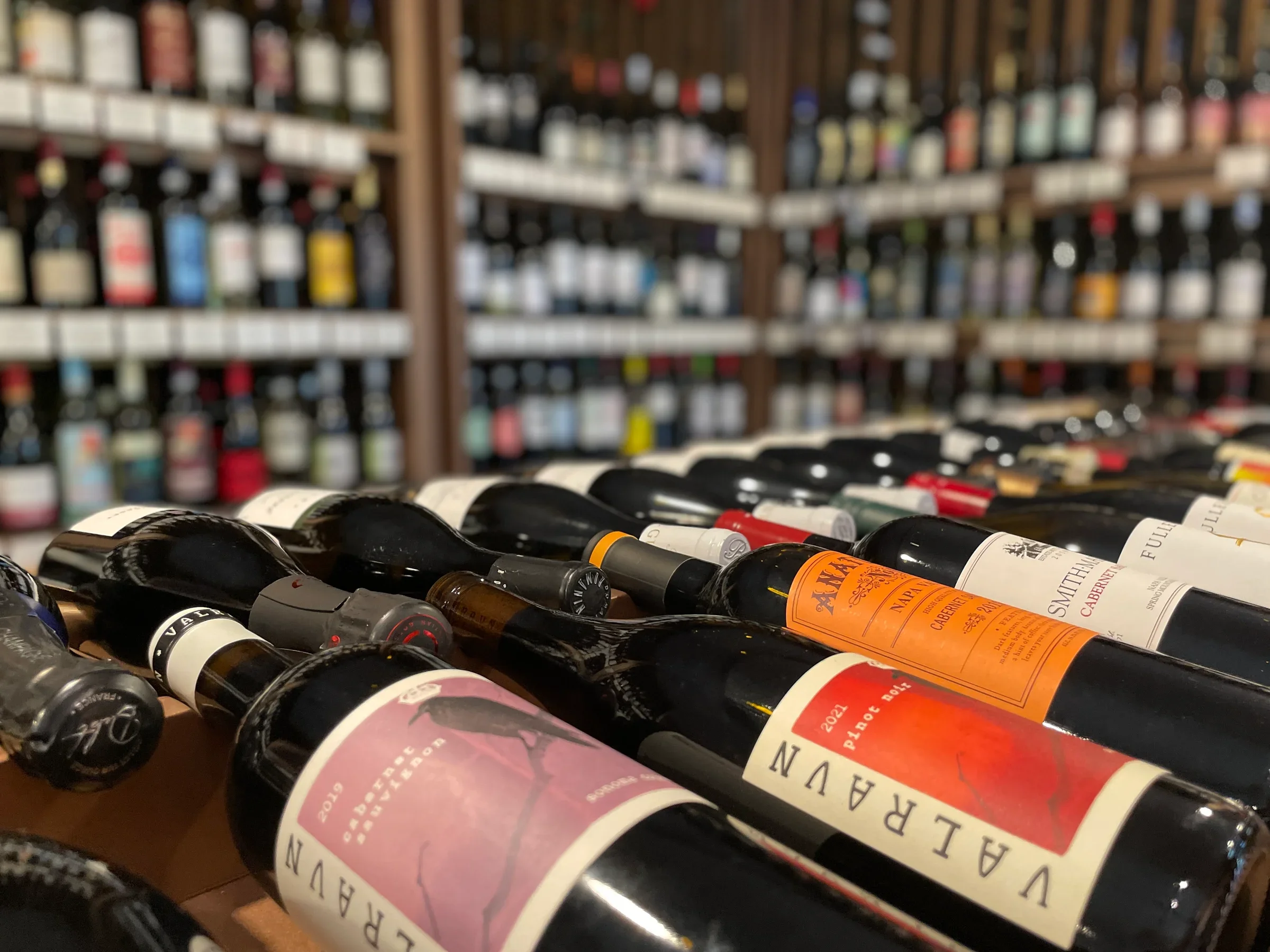
Imported wine shelves can feel difficult to navigate when labels emphasize places you do not recognize. You may know a grape you enjoy but struggle to find it among regional names. The problem is often the way information is presented rather than a lack of useful choices.
An imported wine selection becomes more approachable when you connect unfamiliar places with familiar qualities. Freshness, body, sweetness, tannins, and oak influence provide a practical starting point. Region then adds context rather than becoming a test you must pass before buying.
You do not need a complete map of the wine world. Learning a few regional connections and asking specific questions can help you explore in a way that follows your taste.
Start With a Style You Already Enjoy
Choose one reference point before exploring. You might enjoy a bright white with citrus notes, a light red with fresh fruit, or a fuller wine with pronounced texture. These descriptions can guide you across national borders more easily than a preference for one familiar brand.
Tell the retailer what matters most about that style. If acidity is the feature you love, preserve it while exploring a different grape or place. If gentle tannins are important, explain that before considering a structured red from an unfamiliar region. Use the wine range to locate familiar styles, then ask how an unfamiliar region relates to your preference.
This approach makes exploration more controlled. You are not choosing blindly; you are following a known preference into a new setting. The unfamiliar region adds interest while the familiar quality gives you a way to judge the result after opening the bottle.
Understand Why Place Names Appear on Labels
Some wine traditions emphasize origin more strongly than grape names. A regional label can communicate information about the area and its established wine styles, although the exact meaning depends on the place and classification involved.
Do not assume that every regional name identifies one grape. Some places are associated with blends, and others produce several different styles. Asking which grapes are involved and how the specific bottle is made is more useful than relying on a broad regional reputation.
Look for the producer and any supporting label information. An importer label or back label may provide additional context, but it may not explain everything you need. If the front label seems unfamiliar, ask for a short translation into style: body, freshness, fruit character, and texture.
Explore France Through Particular Bottles
France offers a wide range of wine styles, so a request for French wine is only a beginning. The useful next question is which region and what kind of wine. Place names can guide the conversation, but the producer and bottle still matter.
For example, Burgundy is closely associated with Pinot Noir and Chardonnay, while Bordeaux is well known for blends. Those broad connections can help orient a shopper without predicting the exact experience of every bottle from either place.
If you enjoy a familiar grape, ask how a particular French example compares with your usual wine. Does it feel fresher, more restrained, fuller, or more structured? A direct comparison connects the regional label to your own experience and makes the purchase more understandable than a country name alone.
Let Italy Introduce Different Grapes
Italian shelves can offer opportunities to explore grape names you have not tried. Rather than memorizing them all, choose one bottle connected to a style you already enjoy. A retailer can help explain the relationship between grape, region, and the producer's approach.
Food is a useful entry point. Describe the meal and your preferred wine texture, then ask for an Italian option that fits. This gives an unfamiliar label a practical purpose and reduces the pressure to choose purely by name recognition.
Do not assume every Italian red is equally full or every white equally light. The country includes many climates, grapes, and production traditions. Keep the discussion focused on the actual bottle. Curiosity becomes more rewarding when it leads to a clear comparison rather than a broad national stereotype.
Compare Climate Without Making It a Rule
Climate can influence how grapes develop, which in turn can affect the style of the wine. Cooler conditions are often associated with a fresher impression, while warmer conditions can support riper fruit character. These are useful tendencies, not a complete prediction.
Harvest choices, vineyard conditions, and winemaking can change the result. A warm-region wine does not automatically taste heavy, and a cool-region wine is not guaranteed to be sharp. Ask how the specific producer's choices shape the bottle you are considering.
A climate comparison can still be a useful experiment. Try a familiar grape from two different places and keep the meal similar. Notice whether the wines differ in fruit character, freshness, or body. Your observations can make future region names more meaningful.
Compare Imported and Domestic Wines Fairly
Imported does not mean better, rarer, or necessarily more expensive. It describes where the wine comes from relative to the market where you are buying it. Quality and enjoyment still need to be evaluated bottle by bottle.
Compare wines with a shared purpose and a similar budget. A useful comparison might involve the same grape or similar body. Avoid comparing an everyday domestic bottle with a collectible imported wine and treating the price difference as a judgment on entire countries.
Before buying, check:
- The specific style and intended use.
- Producer, region, and grape information where available.
- Bottle volume and the listed price.
- How the wine relates to something you already enjoy.
These details help turn a broad imported category into a focused purchase.
Build a Personal Map One Bottle at a Time
After trying a new wine, connect the place name with your experience. Write the region, the bottle, and a few simple impressions. If it felt fresh and light, record that without assuming every wine from the region must taste the same.
On your next visit, ask for either a similar example or a meaningful contrast. This turns a single purchase into a useful reference point. Your personal map can grow gradually through bottles you actually drink rather than through facts you struggle to remember.
When browsing USA Wine Traders Paramus or another wine shop in Bergen County, NJ, use familiar preferences to guide unfamiliar labels. A fine wine selection should invite questions. You can explore regions confidently while remaining clear about the flavors, budget, and occasions that matter to you.
Use a Regional Comparison With a Clear Question
A comparison works best when you know what you are trying to learn. You might ask how a familiar grape changes between two places or how two producers interpret the same regional style. Keeping one feature consistent makes the differences easier to notice.
Choose a setting where the bottles will be used rather than opened only to complete an exercise. A shared meal can provide enough context, especially if you keep food and serving conditions reasonably similar. Write down which wine you preferred and the quality that mattered most. The result does not need to match a critic's description. You are building a practical relationship between a place name and your own taste. On a future shopping visit, that reference helps you ask for either a similar experience or a deliberate contrast, giving unfamiliar labels a clearer purpose.
Final Thoughts
Explore imported wine by connecting unfamiliar places with familiar styles. Start with a quality you enjoy, ask what the regional label tells you, and judge the specific bottle rather than its country alone. Climate and tradition provide context, while your own experience supplies the most useful guide. An imported wine selection becomes easier to navigate when each purchase adds one clear reference point to your personal understanding.
FAQs
Why do some imported wines show a region instead of a grape?
Some wine traditions emphasize place of origin because regional names communicate established styles or production context. Ask which grapes are involved and how the bottle tastes rather than assuming every regional label means one variety.
Is imported wine automatically more expensive than domestic wine?
No. Imported and domestic wines both cover broad price ranges. Compare the actual bottle, size, style, and purpose within your budget instead of using the country of origin as a shortcut for price or quality.
What is an easy way to explore a new wine region?
Start with a style you already enjoy and ask for a regional example with similar qualities. Keep a label photo and a short tasting note so the new place becomes connected to your own experience.