Sign up with Google
 Sign in with Zoho

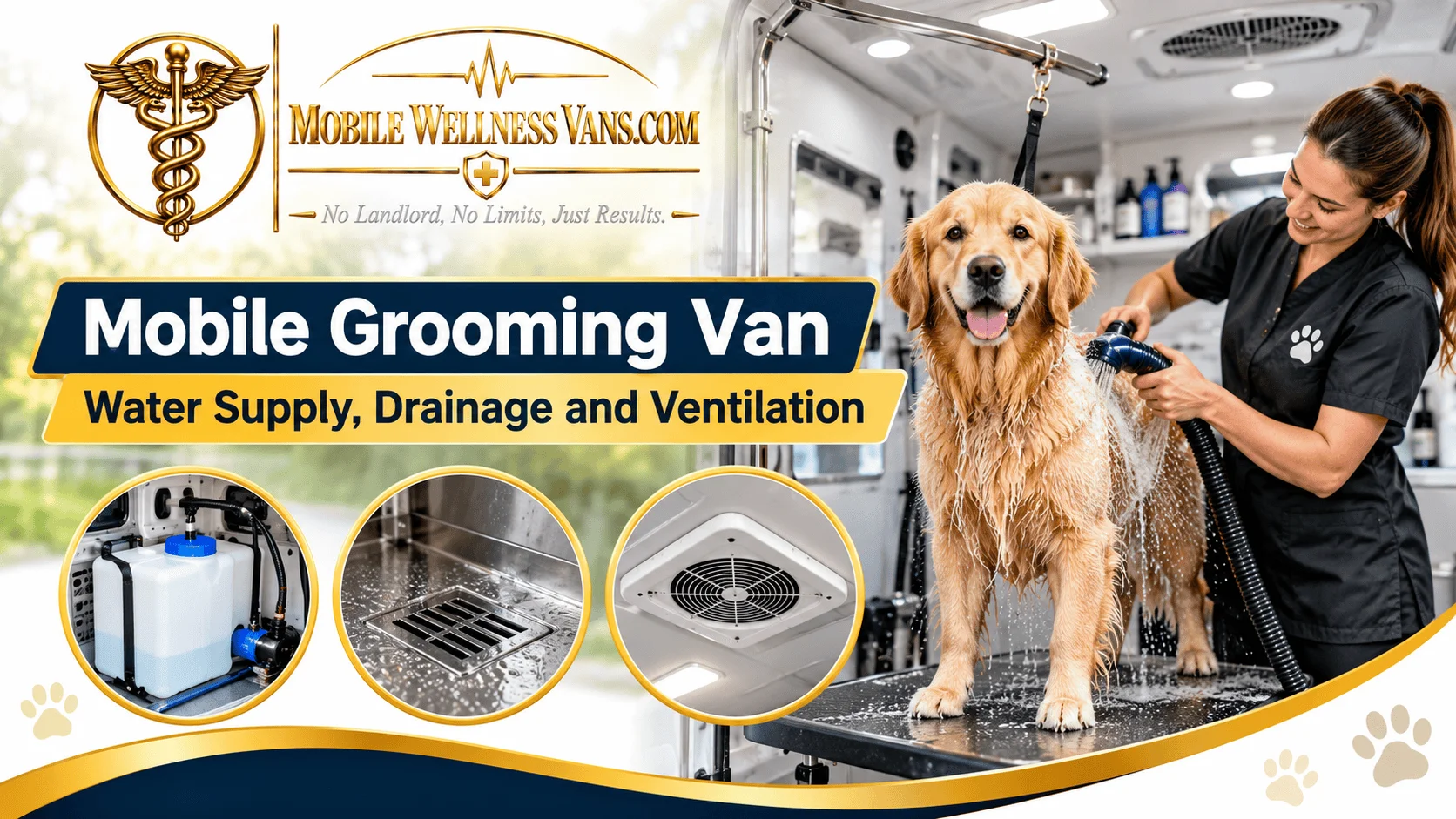
A mobile grooming van is more than a salon on wheels. Every appointment depends on a reliable supply of clean water, an effective drainage system, and proper ventilation to keep pets comfortable and the workspace hygienic. A plumbing leak, a slow drain, or trapped moisture can interrupt an otherwise smooth grooming session. That is why these systems should be planned before the interior equipment is installed. With the right layout and technical planning, groomers can create a functional workspace that supports efficient services, safer operations, and a better experience for pets and their owners.
1. Start With a Practical Interior Layout
Before choosing tanks, pumps, or ventilation equipment, determine how the van will be used throughout a typical working day. Consider the bathing station, grooming table, storage cabinets, water heater, electrical equipment, and areas where staff need room to move. Every component should have a defined place without restricting access to essential controls or maintenance points.
Weight distribution is equally important. Water is heavy, and a full tank can significantly affect a vehicle's overall load. Equipment placement should account for the van's payload capacity, axle limits, and stability while driving. Professional upfitters can help coordinate the layout with the vehicle's specifications.
This planning process also benefits other specialized vehicles, including mobile medical vehicles for sale, where water systems, ventilation, equipment access, and interior workflow must work together. Establishing these priorities early helps prevent expensive layout changes later.
2. Design a Reliable Water Supply System
A dependable water supply is essential for bathing, rinsing, and cleaning grooming equipment. Unlike a stationary salon, a mobile unit cannot always rely on a convenient building connection. Its water system must support the expected workload while remaining compact enough for the available vehicle space.
Start by estimating how much water each appointment requires. A large, double-coated dog may need more rinsing than a small dog receiving a quick bath. The number of appointments scheduled between refills also influences the required tank capacity.
The system may include a fresh-water tank, pump, filter where appropriate, water heater, and accessible shutoff valves. Choose components designed for the intended water use and ensure that plumbing connections are secure and suitable for a moving vehicle.
For businesses exploring mobile medical vehicles for sale, this same principle applies: water capacity and plumbing design should match the services performed, rather than relying on a one-size-fits-all configuration.
3. Choose the Right Tank Capacity and Pump
Tank size should reflect the grooming schedule, available refill locations, and vehicle payload limits. Installing the largest possible tank is not always the best solution because additional water increases vehicle weight and reduces the capacity available for other equipment.
A practical approach is to estimate average water consumption per appointment, multiply it by the expected number of appointments between refills, and add a reasonable reserve. Actual consumption should be measured during trial runs whenever possible.
The pump must deliver adequate flow and pressure for the bathing equipment without placing unnecessary strain on the system. Consider the sprayer's requirements, plumbing dimensions, and whether the pump can operate efficiently under typical working conditions.
Include accessible fittings and a straightforward way to monitor water levels. These small design decisions make it easier to identify problems before they interrupt the day's schedule. A carefully sized water system supports consistent performance while keeping the van manageable on the road.
4. Plan Drainage for Clean, Controlled Wastewater Removal
Bathing produces wastewater containing shampoo, loose hair, dirt, and other debris. Without proper drainage, water can collect around the bathing station, create unpleasant odors, and increase the risk of slips or moisture damage.
The bathing area should have a suitable drain connected to a wastewater collection tank or an approved discharge arrangement. Drain lines need appropriate sizing, secure connections, and sufficient slope wherever gravity drainage is used. If the layout requires a pump, select one designed for the expected wastewater and debris conditions.
Hair management is particularly important. Removable hair traps or strainers can help prevent blockages, but they must be accessible for regular cleaning. Drainage components should also be protected against leaks and vibration during travel.
Plan how wastewater will be emptied legally and hygienically at designated disposal locations. Never assume that wastewater can be released into a storm drain or onto the ground. Proper disposal protects the environment and helps the business operate responsibly.
5. Separate Fresh Water from Wastewater
Fresh-water and wastewater systems should be designed to prevent cross-contamination. Use appropriate tanks, clearly identified connections, secure fittings, and suitable plumbing components. Fresh-water filling points should be positioned and protected to reduce the possibility of contamination during refilling.
Both tanks need convenient access for inspection, cleaning, and maintenance. Fresh-water tanks should be cleaned according to manufacturer recommendations, while wastewater tanks require regular emptying and sanitation. Check hoses, seals, vents, and fittings for deterioration or leaks.
Tank vents are also important because air must move in and out as water enters or leaves a tank. Poorly designed venting can slow filling or draining and may contribute to pressure problems. Wastewater vents must be arranged to control odors and prevent unwanted exposure within the work area.
This attention to hygiene is relevant across many mobile service industries, including massage therapy vans, where water-related features and enclosed interiors may also require thoughtful sanitation and moisture management.
6. Build an Effective Ventilation System
Bathing and drying animals introduces moisture, heat, airborne hair, and odors into a relatively small space. Without adequate ventilation, humidity can accumulate on walls, ceilings, and equipment, potentially contributing to condensation, corrosion, or mold growth.
A well-planned ventilation system should remove humid air and provide a suitable supply of replacement air. Depending on the layout and equipment, this may involve mechanical exhaust fans, dedicated air inlets, and a properly sized heating, ventilation, and air-conditioning system.
Ventilation requirements depend on the van's dimensions, occupancy, equipment output, and expected workload. A professional should evaluate airflow needs and position exhaust outlets to prevent discharged air from being drawn back inside.
Air conditioning alone may not provide sufficient fresh-air exchange or moisture removal. Groomers should also avoid directing damp exhaust toward electrical equipment or enclosed storage areas. A balanced system helps maintain a more comfortable workspace for both pets and staff.
Conclusion
Water supply, drainage, and ventilation are the systems that make a mobile grooming van practical, hygienic, and comfortable. Their success depends on coordinated planning, suitable equipment, responsible wastewater disposal, and regular maintenance.
By evaluating daily water demand, protecting fresh-water quality, managing wastewater, and maintaining effective airflow, groomers can build a workspace that performs reliably from one appointment to the next. Investing in these essentials early helps create a mobile grooming business that is better prepared for daily operations and long-term growth.