Sign up with Google
 Sign in with Zoho

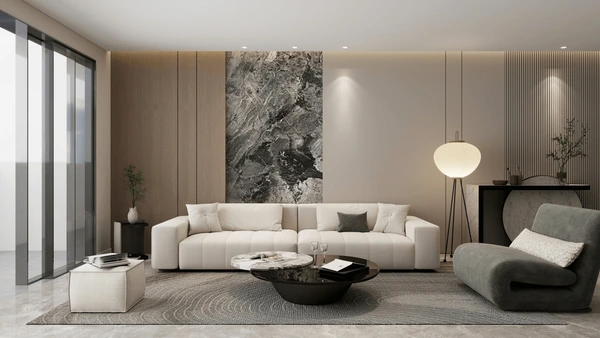
You have seen it before. A newly renovated home that looks exactly like the one three floors below has the same grey laminate, same feature wall, same open-shelf kitchen. It looks polished in photographs. But something about it feels borrowed rather than lived in.
This is the hidden cost of cookie-cutter interior design in Singapore. And it is a cost that most homeowners only recognise once it is too late.
At ARTMUSE, we have spent over 20 years designing homes across Singapore HDB flats, private condominiums, landed properties, and commercial spaces. In that time, we have seen the same story play out repeatedly: homeowners who went with a templated renovation package to save money, only to find themselves renovating again within five to seven years because the design simply stopped working for their lives.
This article is our honest view on why bespoke interior design in Singapore is not a luxury it is a long-term investment in the way you live.
What Does 'Cookie-Cutter' Really Mean?
Cookie-cutter renovations are not necessarily low quality. In fact, many of Singapore's largest renovation firms deliver technically solid workmanship. The issue is not craftsmanship it is conception.
A cookie-cutter approach begins with a catalogue. You pick a style Scandinavian, Japandi, Modern Contemporary and a package tier. The ID assigns a junior designer who applies that style to your floor plan. The carpentry is standard. The materials are pre-approved. The whole process is efficient, scalable, and fast.
But here is what gets left out: you.
A beautiful home that doesn't fit your life will always feel like someone else's."
The Real Costs of Getting It Wrong
Singapore homeowners often compare interior design companies purely on renovation cost. It is an understandable instinct: renovation in Singapore is expensive, and the upfront number matters. But focusing only on the initial quote misses the longer financial picture.
Consider the true cost of a mismatched renovation:
Renovation within 5–8 years: Designs that do not reflect how you live tend to be modified or replaced sooner. Industry data consistently shows that Singaporeans renovate more frequently than homeowners in comparable markets, often because initial designs were not built for longevity.
Poor space utilisation: In Singapore's compact homes, every square foot is precious. Templated designs apply standard proportions that may not maximise your specific layout. A bespoke approach analyses your actual floor plan and daily movement patterns to make every corner count.
Furniture that does not fit: When an interior designer specifies built-in carpentry without understanding how you use a space, you often end up purchasing additional freestanding furniture to compensate — doubling up on cost and cluttering the very space you paid to open up.
Lower resale value: A home with a distinctive, well-executed design commands a premium on the resale market. A home that looks like every other renovated unit in the block does not.
What Bespoke Interior Design in Singapore Actually Means
The word 'bespoke' is used loosely in marketing. Here is what it genuinely means in practice and what it should mean when you are evaluating the best interior design company in Singapore for your project.
A truly bespoke design process begins with listening. Before a single mood board is created, a good designer should understand:
– How many people live in the home and what their daily routines look like
– What specific storage challenges the family has experienced in previous homes
– How the home is used across different times of day and week
– The client's five-year vision children growing up, elderly parents moving in, working from home
– Which aesthetic references genuinely resonate, and why
"Evidence-based design is not about following data. It is about using insight to make decisions that stand the test of time."
The ARTMUSE Approach: Evidence-Based, Bespoke Design
At ARTMUSE, our design philosophy is built on two principles that we believe distinguish us from larger renovation firms in Singapore.
Evidence-Based Design
We do not design based on trends alone. Every design decision from spatial planning to material selection to lighting placement is grounded in how spaces affect the people who use them. We draw on 20 years of completed projects, post-occupancy insights, and our understanding of how Singapore's climate, compact layouts, and multi-generational living patterns influence what actually works.
This means we push back when a client requests something that looks good on Instagram but will not function well in daily life. It also means we propose solutions clients had not considered, because our job is to bring genuine expertise to the table, not simply to execute a brief.
Bespoke Design Across Every Project Type
One of the markers of the best interior design companies in Singapore is the ability to apply design thinking consistently across different project types. At ARTMUSE, our portfolio spans:
– Residential renovations: HDB flats, resale apartments, new build condominiums, and landed properties. Each requires a different approach to space planning, regulation compliance, and design language.
– New builds: Working with developers and homeowners from the bare shell stage, where the design potential is greatest and the importance of early decisions cannot be overstated.
– Commercial spaces: Retail environments, offices, and hospitality interiors where design directly influences customer behaviour, staff productivity, and brand perception.
– Interior styling: For homeowners who need a considered, curated approach to furnishing and finishing a space that has already been built.
Across all of these, the same principle applies: every space is different, every client is different, and good design begins with understanding both.
How to Recognise a Truly Bespoke Interior Design Company in Singapore
If you are currently evaluating interior design firms in Singapore, here are the signals that distinguish genuinely bespoke studios from firms that use the language of customisation while delivering templates:
– They ask more questions than they show you: A templated firm leads with a portfolio and a package. A bespoke studio leads with questions about your life.
– They challenge your brief: Good designers do not simply execute what you ask for. They bring expertise that expands the possibilities and sometimes saves you from expensive mistakes.
– Their portfolio is varied: If every project looks identical, that is not a signature style. It is a template. Genuine bespoke design produces homes that look distinctive from each other, even while the quality remains consistent.
– They talk about function before aesthetics: Beauty matters enormously in interior design. But function is the foundation. If an ID skips straight to mood boards without understanding how you live, proceed with caution.
"The best interior design in Singapore is not the most photographed — it is the most lived-in."
Bespoke Design and the Singapore Context
Interior design in Singapore operates within a specific set of constraints that make bespoke thinking especially important. HDB renovation guidelines, condominium management rules, the tropical climate, compact floor plans, and multi-generational households these are not obstacles to good design. They are the context within which good design has to operate.
A designer with deep Singapore-specific experience does not fight these constraints. They design around them intelligently, finding opportunities where others see limitations.
For example, Singapore's humidity and ventilation patterns have a direct impact on material selection. What looks beautiful in a European showroom can warp, stain, or deteriorate quickly in a local home. An experienced Singapore interior designer specifies materials that age well in our climate and can explain exactly why.
Similarly, HDB layouts present specific challenges, particularly around wet areas, structural walls, and the household shelter. A bespoke designer who knows these rules deeply can propose creative solutions within them. A template-driven approach simply works around them with standard configurations.
The Investment in Bespoke
Bespoke interior design in Singapore costs more upfront than a renovation package. That is true, and we will not pretend otherwise.
What it does not do is cost more over time.
When a home is designed around how a family actually lives, when storage is where you need it, when materials are chosen for durability, when the spatial plan reflects the way the home evolves over years, it does not need to be undone and redone. It compounds in value, both in quality of daily life and in the property's market appeal.
After 20 years of interior design practice in Singapore, the clients who have been happiest with their investment are not those who spent the most. They are the ones who chose a designer who listened first.
Ready to design a home that truly fits your life?
ARTMUSE is a boutique interior design studio based in Singapore, led by Owner & Creative Director T.V. Yong with over 20 years of experience across residential, commercial, and styling projects.
This is the hidden cost of cookie-cutter interior design in Singapore. And it is a cost that most homeowners only recognise once it is too late.
At ARTMUSE, we have spent over 20 years designing homes across Singapore HDB flats, private condominiums, landed properties, and commercial spaces. In that time, we have seen the same story play out repeatedly: homeowners who went with a templated renovation package to save money, only to find themselves renovating again within five to seven years because the design simply stopped working for their lives.
This article is our honest view on why bespoke interior design in Singapore is not a luxury it is a long-term investment in the way you live.
What Does 'Cookie-Cutter' Really Mean?
Cookie-cutter renovations are not necessarily low quality. In fact, many of Singapore's largest renovation firms deliver technically solid workmanship. The issue is not craftsmanship; it is conception.
A cookie-cutter approach begins with a catalogue. You pick a style Scandinavian, Japandi, Modern Contemporary and a package tier. The ID assigns a junior designer who applies that style to your floor plan. The carpentry is standard. The materials are pre-approved. The whole process is efficient, scalable, and fast.
But here is what gets left out: you.
A beautiful home that doesn't fit your life will always feel like someone else's."
The Real Costs of Getting It Wrong
Singapore homeowners often compare interior design companies purely on renovation cost. It is an understandable instinct renovation in Singapore is expensive, and the upfront number matters. But focusing only on the initial quote misses the longer financial picture.
Consider the true cost of a mismatched renovation:
– Re-renovation within 5–8 years: Designs that do not reflect how you live tend to be modified or replaced sooner. Industry data consistently shows that Singaporeans renovate more frequently than homeowners in comparable markets often because initial designs were not built for longevity.
– Poor space utilisation: In Singapore's compact homes, every square foot is precious. Templated designs apply standard proportions that may not maximise your specific layout. A bespoke approach analyses your actual floor plan and daily movement patterns to make every corner count.
– Furniture that does not fit: When an interior designer specifies built-in carpentry without understanding how you use a space, you often end up purchasing additional freestanding furniture to compensate — doubling up on cost and cluttering the very space you paid to open up.
– Lower resale value: A home with a distinctive, well-executed design commands a premium on the resale market. A home that looks like every other renovated unit in the block does not.
What Bespoke Interior Design in Singapore Actually Means
The word 'bespoke' is used loosely in marketing. Here is what it genuinely means in practice and what it should mean when you are evaluating the best interior design company in Singapore for your project.
A truly bespoke design process begins with listening. Before a single mood board is created, a good designer should understand:
– How many people live in the home and what their daily routines look like
– What specific storage challenges the family has experienced in previous homes
– How the home is used across different times of day and week
– The client's five-year vision children growing up, elderly parents moving in, working from home
– Which aesthetic references genuinely resonate, and why
"Evidence-based design is not about following data. It is about using insight to make decisions that stand the test of time."
The ARTMUSE Approach: Evidence-Based, Bespoke Design
At ARTMUSE Interior, our design philosophy is built on two principles that we believe distinguish us from larger renovation firms in Singapore.
Evidence-Based Design
We do not design based on trends alone. Every design decision, from spatial planning to material selection to lighting placement, is grounded in how spaces affect the people who use them. We draw on 20 years of completed projects, post-occupancy insights, and our understanding of how Singapore's climate, compact layouts, and multi-generational living patterns influence what actually works.
This means we push back when a client requests something that looks good on Instagram but will not function well in daily life. It also means we propose solutions clients had not considered, because our job is to bring genuine expertise to the table, not simply to execute a brief.
Bespoke Design Across Every Project Type
One of the markers of the best interior design companies in Singapore is the ability to apply design thinking consistently across different project types. At ARTMUSE, our portfolio spans:
– Residential renovations: HDB flats, resale apartments, new build condominiums, and landed properties. Each requires a different approach to space planning, regulation compliance, and design language.
– New builds: Working with developers and homeowners from the bare shell stage, where the design potential is greatest and the importance of early decisions cannot be overstated.
– Commercial spaces: Retail environments, offices, and hospitality interiors where design directly influences customer behaviour, staff productivity, and brand perception.
– Interior styling: For homeowners who need a considered, curated approach to furnishing and finishing a space that has already been built.
Across all of these, the same principle applies: every space is different, every client is different, and good design begins with understanding both.
How to Recognise a Truly Bespoke Interior Design Company in Singapore
If you are currently evaluating interior design firms in Singapore, here are the signals that distinguish genuinely bespoke studios from firms that use the language of customisation while delivering templates:
– They ask more questions than they show you: A templated firm leads with a portfolio and a package. A bespoke studio leads with questions about your life.
– They challenge your brief: Good designers do not simply execute what you ask for. They bring expertise that expands the possibilities and sometimes saves you from expensive mistakes.
– Their portfolio is varied: If every project looks identical, that is not a signature style. It is a template. Genuine bespoke design produces homes that look distinctive from each other, even while the quality remains consistent.
– They talk about function before aesthetics: Beauty matters enormously in interior design. But function is the foundation. If an ID skips straight to mood boards without understanding how you live, proceed with caution.
"The best interior design in Singapore is not the most photographed — it is the most lived-in."
Bespoke Design and the Singapore Context
Interior design in Singapore operates within a specific set of constraints that make bespoke thinking especially important. HDB renovation guidelines, condominium management rules, the tropical climate, compact floor plans, multi-generational households these are not obstacles to good design. They are the context within which good design has to operate.
A designer with deep Singapore-specific experience does not fight these constraints. They design around them intelligently finding opportunities where others see limitations.
For example, Singapore's humidity and ventilation patterns have a direct impact on material selection. What looks beautiful in a European showroom can warp, stain, or deteriorate quickly in a local home. An experienced Singapore interior designer specifies materials that age well in our climate and can explain exactly why.
Similarly, HDB layouts present specific challenges particularly around wet areas, structural walls, and the household shelter. A bespoke designer who knows these rules deeply can propose creative solutions within them. A template-driven approach simply works around them with standard configurations.
The Investment in Bespoke
Bespoke interior design in Singapore costs more upfront than a renovation package. That is true, and we will not pretend otherwise.
What it does not do is cost more over time.
When a home is designed around how a family actually lives — when storage is where you need it, when materials are chosen for durability, when the spatial plan reflects the way the home evolves over years it does not need to be undone and redone. It compounds in value, both in quality of daily life and in the property's market appeal.
After 20 years of interior design practice in Singapore, the clients who have been happiest with their investment are not those who spent the most. They are the ones who chose a designer who listened first.
Ready to design a home that truly fits your life?
ARTMUSE Interior is a boutique interior design studio based in Singapore, led by Owner & Creative Director T.V. Yong with over 20 years of experience across residential, commercial, and styling projects.