Sign up with Google
 Sign in with Zoho
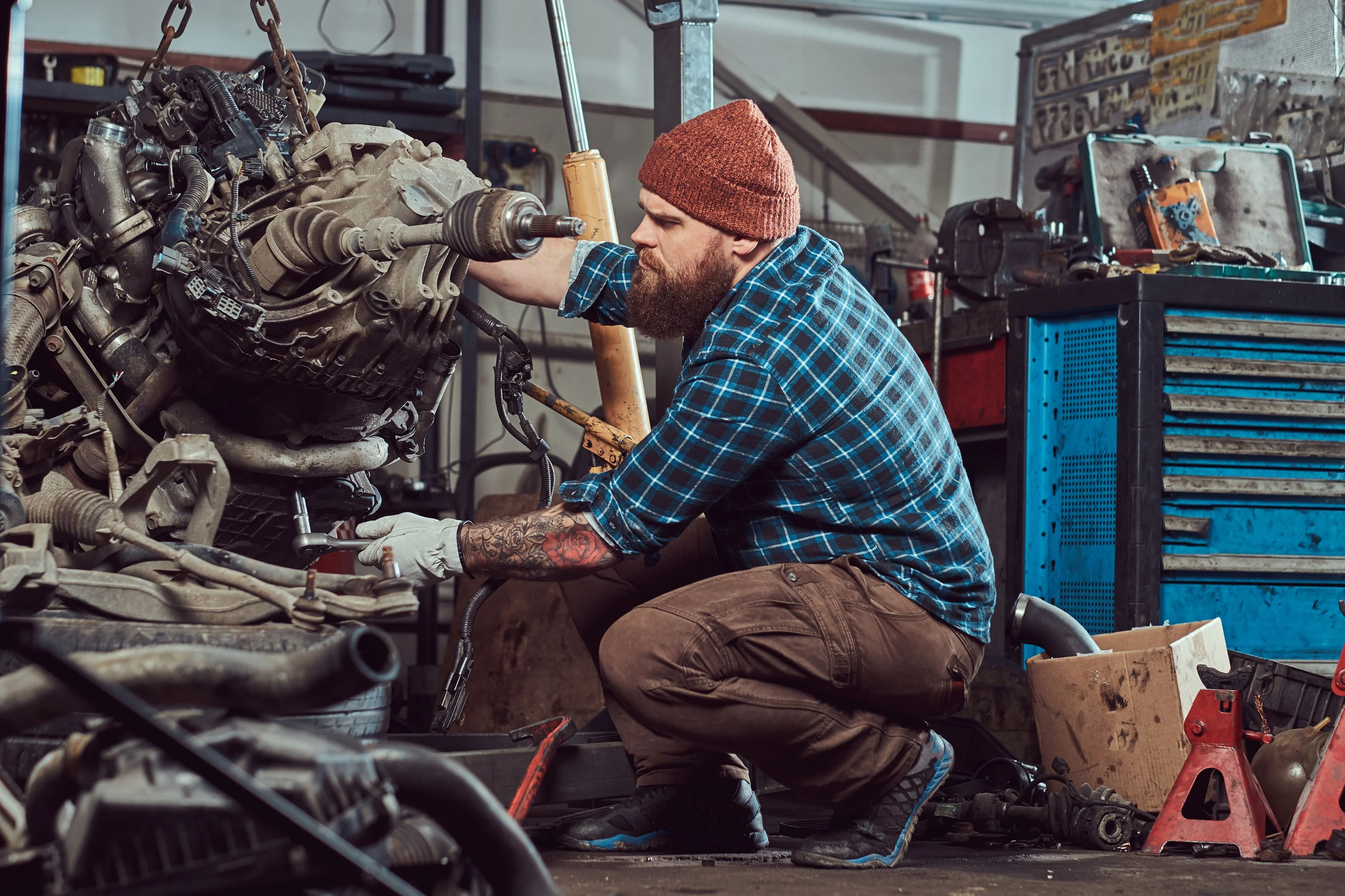
Restoring a classic Oldsmobile is more than just another automotive project—it is an opportunity to preserve a piece of American muscle car history. Among the most respected powerplants from the golden era of automobiles is the legendary 330 cubic-inch V8. Whether you're restoring a 1964, 1965, 1966, or 1967 Oldsmobile, investing in a 330 oldsmobile engine restoration can significantly improve your vehicle's performance, reliability, and collector value.
The Oldsmobile 330 engine was known for its smooth performance, impressive torque, and dependable engineering. Even decades after production ended, enthusiasts continue to rebuild these engines for restoration projects, weekend cruisers, and classic car shows.
However, restoring a vintage engine requires careful planning, the right tools, quality replacement components, and a solid understanding of the rebuilding process. This comprehensive guide covers everything you should know before beginning your 330 oldsmobile engine restoration, from inspection and budgeting to sourcing quality components and avoiding costly mistakes.
Understanding the Oldsmobile 330 Engine
Introduced in 1964, the Oldsmobile 330 V8 quickly gained popularity for delivering an excellent balance between power and everyday drivability. It featured:
- 330 cubic inches displacement
- Cast iron block
- Cast iron cylinder heads
- Hydraulic lifters
- Strong bottom-end construction
- Excellent torque characteristics
Unlike many engines from its era, the 330 V8 was engineered with durability in mind. Properly maintained examples have easily surpassed hundreds of thousands of miles.
Today, many enthusiasts choose 330 oldsmobile engine restoration because the engine maintains originality while delivering reliable performance after rebuilding.
Why Restore Instead of Replace?
Many classic car owners debate whether they should swap in a newer engine or restore the original one.
Restoration offers several advantages:
Preserves Original Value
Collectors always prefer matching-number vehicles. Keeping the original engine dramatically increases authenticity.
Better Investment
Classic Oldsmobiles with original restored engines often command higher resale prices.
Superior Fit
Original engines require no modification to mounts, accessories, or transmission compatibility.
Historical Accuracy
Restoration maintains the engineering and driving experience intended by Oldsmobile.
For these reasons, many enthusiasts choose 330 oldsmobile engine restoration rather than modern engine swaps.
Signs Your 330 Engine Needs Restoration
Before tearing down the engine, identify the symptoms indicating a complete rebuild may be necessary.
Common warning signs include:
- Low oil pressure
- Heavy blue exhaust smoke
- Excessive oil consumption
- Engine knocking
- Poor compression
- Coolant leaks
- Overheating
- Excessive crankcase pressure
- Metal particles in engine oil
- Poor acceleration
These symptoms often indicate internal wear that cannot be solved with simple repairs.
Planning Your Restoration Project
One of the biggest mistakes beginners make is starting without a clear plan.
Successful restoration projects begin with careful preparation.
Create a checklist including:
- Restoration goals
- Budget
- Timeline
- Workspace
- Required tools
- Machine shop services
- Parts suppliers
Planning reduces unexpected expenses and prevents project delays.
Set a Realistic Budget
Costs vary depending on the engine's condition.
Typical restoration expenses include:
Investing in premium oldsmobile Auto/car Parts helps prevent repeated repairs later.
Inspect the Engine Thoroughly
Before ordering parts, completely inspect the engine.
Areas requiring careful examination include:
Cylinder Walls
Look for:
- Deep scoring
- Rust
- Excessive wear
- Cracks
Crankshaft
Inspect for:
- Journal damage
- Heat discoloration
- Cracks
- Out-of-round wear
Connecting Rods
Check:
- Straightness
- Bearing wear
- Cracks
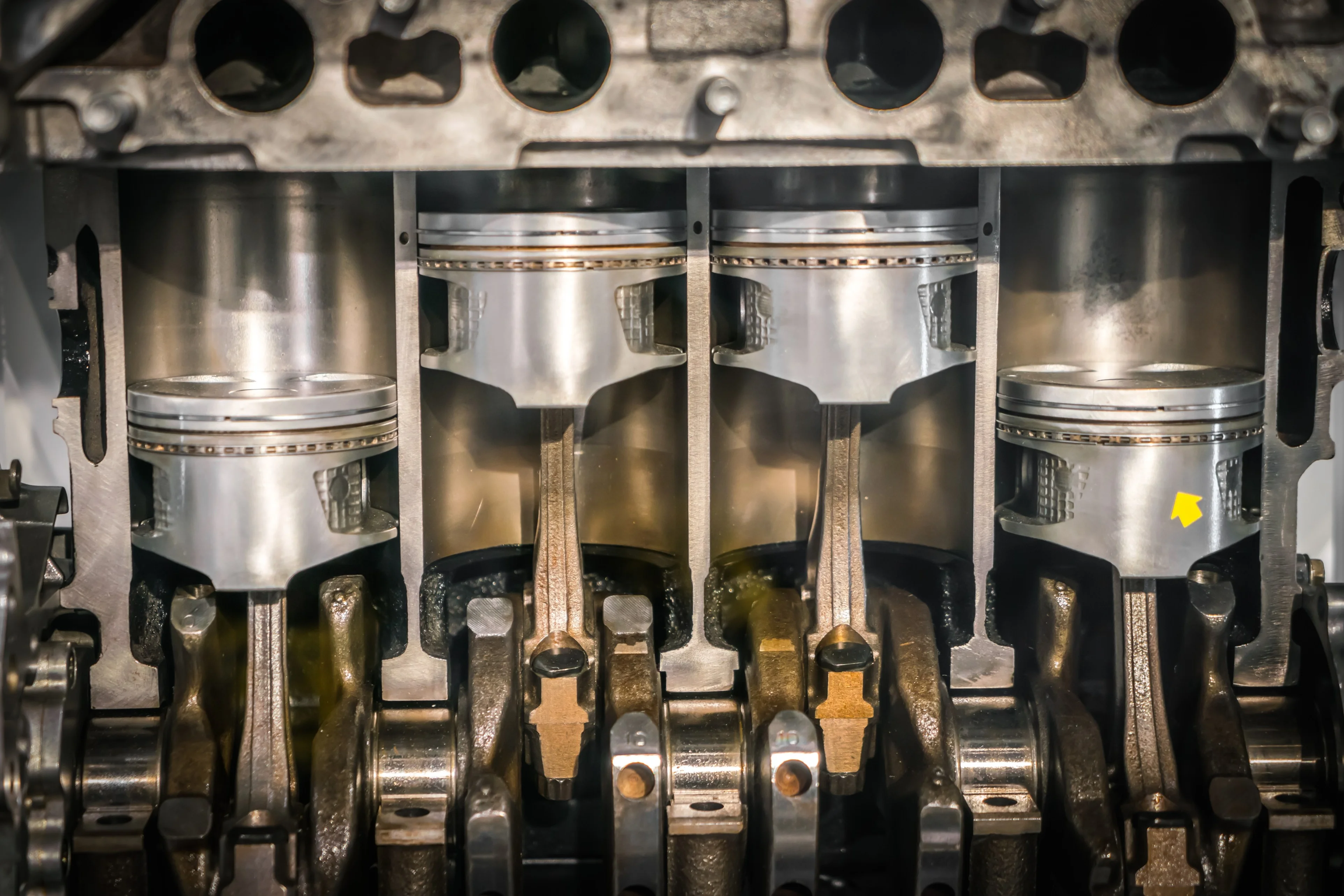
Pistons
Inspect:
- Ring grooves
- Skirt wear
- Cracks
Cylinder Heads
Look for:
- Warping
- Valve damage
- Cracks
- Worn guides
A professional machine shop can verify these components before rebuilding begins.
Machine Shop Services You May Need
Engine rebuilding almost always requires machining.
Common services include:
- Cylinder boring
- Cylinder honing
- Block decking
- Align honing
- Crankshaft polishing
- Crankshaft grinding
- Valve seat cutting
- Head resurfacing
- Balancing rotating assembly
Proper machining ensures maximum engine life.
Replace Every Wear Component
Never reuse worn components simply to save money.
Replace:
- Bearings
- Rings
- Gaskets
- Seals
- Timing chain
- Oil pump
- Freeze plugs
- Cam bearings
Quality oldsmobile Auto/car Parts are one of the best investments during restoration.
Choosing the Right Pistons
Pistons determine compression ratio, reliability, and longevity.
Popular choices include:
Cast Pistons
Ideal for factory restorations.
Advantages:
- Affordable
- Reliable
- Original appearance
Hypereutectic Pistons
Offer:
- Better durability
- Reduced expansion
- Improved efficiency
Forged Pistons
Best for performance applications.
Advantages:
- Stronger
- Handle high RPM
- Better heat resistance
Choose pistons that match your restoration goals.
Crankshaft Restoration
The crankshaft forms the heart of the engine.
Machine shops typically:
- Inspect for cracks
- Measure journals
- Polish surfaces
- Grind undersize if necessary
Never skip crankshaft inspection during 330 oldsmobile engine restoration.
Camshaft Selection
Your camshaft determines engine personality.
Options include:
Factory Cam
Perfect for:
- Original restoration
- Smooth idle
- Reliable cruising
Mild Performance Cam
Provides:
- Better torque
- Improved throttle response
- Slight horsepower gains
Performance Cam
Designed for:
- Racing
- High RPM operation
- Increased horsepower
Most restorations benefit from factory or mild-performance profiles.
Cylinder Head Restoration
Cylinder heads require detailed attention.
Typical restoration includes:
- Valve replacement
- Valve guide inspection
- Valve seat machining
- Spring replacement
- Surface machining
Properly rebuilt heads significantly improve efficiency.
Oil System Upgrades
The oiling system protects every internal component.
Consider replacing:
- Oil pump
- Pickup tube
- Pressure relief spring
- Oil pan gasket
A fresh oil system ensures long engine life.
Cooling System Inspection
An overheating engine can destroy a fresh rebuild.
Inspect:
- Water pump
- Radiator
- Thermostat
- Hoses
- Heater core
- Fan clutch
Cooling reliability is essential after 330 oldsmobile engine restoration.
Ignition System Refresh
Reliable ignition improves starting and fuel economy.
Replace:
- Spark plugs
- Plug wires
- Distributor cap
- Rotor
- Points (if original)
- Condenser
- Ignition coil
Fuel System Restoration
Old fuel systems often contain rust and varnish.
Inspect:
- Fuel tank
- Fuel pump
- Carburetor
- Fuel lines
- Filters
A professionally rebuilt carburetor complements engine restoration perfectly.
Transmission Compatibility
The 330 engine works best with matching transmissions.
Inspect:
- Torque converter
- Flexplate
- Clutch assembly
- Transmission seals
This prevents future drivetrain problems.
Importance of Genuine Replacement Components
Cheap aftermarket components frequently create reliability issues.
High-quality oldsmobile Auto/car Parts provide:
- Better fit
- Longer lifespan
- Improved durability
- Easier installation
Quality components save both time and money.
Finding Reliable Parts
Finding quality parts can be one of the most challenging aspects of restoration.
Many enthusiasts trust Bop Parts, a trusted oldsmobile Auto/car Parts Dealer Online, for sourcing hard-to-find restoration components. Whether you're replacing engine internals, exterior trim, or restoration hardware, choosing a specialized supplier helps ensure proper fitment and long-term reliability.
Purchasing premium oldsmobile Auto/car Parts from experienced suppliers reduces the risk of receiving incorrect or low-quality components, making your restoration project smoother from start to finish.
Common Restoration Mistakes
Avoid these costly errors.
Skipping Machine Work
Precision machining is critical.
Mixing Old and New Parts
Always inspect compatibility.
Ignoring Torque Specifications
Improper torque leads to failures.
Poor Cleaning
Dirty engine passages damage bearings.
Cheap Gaskets
Oil leaks become inevitable.
Reusing Old Bearings
Fresh bearings protect the crankshaft.
Engine Assembly Tips
Take your time during assembly.
Important practices include:
- Lubricate bearings
- Use assembly lube
- Measure bearing clearances
- Check piston ring gaps
- Verify piston orientation
- Torque every fastener correctly
- Prime oil system before startup
Patience ensures success.
Engine Break-In Procedure
After completing your 330 oldsmobile engine restoration, proper break-in is essential.
Recommended steps:
- Prime oil pump
- Fill with break-in oil
- Start engine immediately
- Maintain varying RPM
- Monitor oil pressure
- Watch coolant temperature
- Change oil after initial break-in
Avoid aggressive driving during the first several hundred miles.
Maintenance After Restoration
Protect your investment through regular maintenance.
Recommended schedule:
Every Oil Change
- Replace oil
- Replace filter
- Inspect leaks
Every Season
- Check ignition timing
- Inspect belts
- Check coolant
Every Year
- Tune carburetor
- Inspect spark plugs
- Flush cooling system if needed
Routine care extends engine life significantly.
Should You Restore It Yourself?
DIY restoration offers:
- Lower labor costs
- Personal satisfaction
- Valuable experience
Professional rebuilding offers:
- Precision machining
- Warranty
- Faster turnaround
- Expert assembly
Choose the option matching your skills and available tools.
Increasing Performance Without Losing Originality
Many owners want subtle improvements while preserving originality.
Consider:
- Electronic ignition conversion
- Improved radiator
- Modern bearings
- Better oil pump
- Balanced rotating assembly
These upgrades improve reliability without changing the classic character.
Final Thoughts
A successful 330 oldsmobile engine restoration is about much more than replacing worn components. It is a rewarding journey that preserves automotive history while breathing new life into one of Oldsmobile's most respected V8 engines. With careful planning, quality machine work, and attention to detail, your restored engine can deliver dependable performance for years to come.
One of the most important decisions you'll make is choosing dependable replacement components. Investing in premium oldsmobile Auto/car Parts ensures better fit, durability, and long-term reliability. Whether you're restoring a show-quality classic or rebuilding a weekend cruiser, working with an experienced supplier makes all the difference.
For enthusiasts looking for reliable restoration components, Bop Parts stands out as a trusted oldsmobile Auto/car Parts Dealer Online, offering quality parts designed to help bring classic Oldsmobiles back to their original glory. By sourcing the right components and following proven restoration practices, your 330 V8 can once again deliver the smooth power, unmistakable sound, and timeless driving experience that made it a legend among classic American engines.