Sign up with Google
 Sign in with Zoho

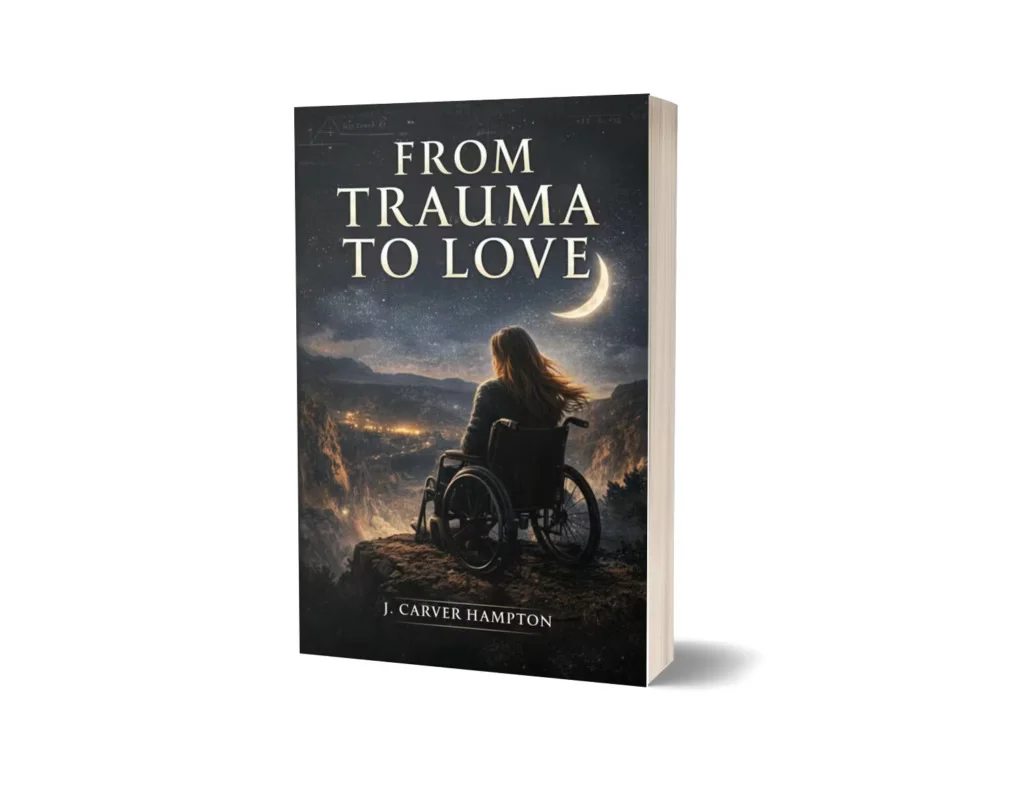
Some books arrive quietly and leave
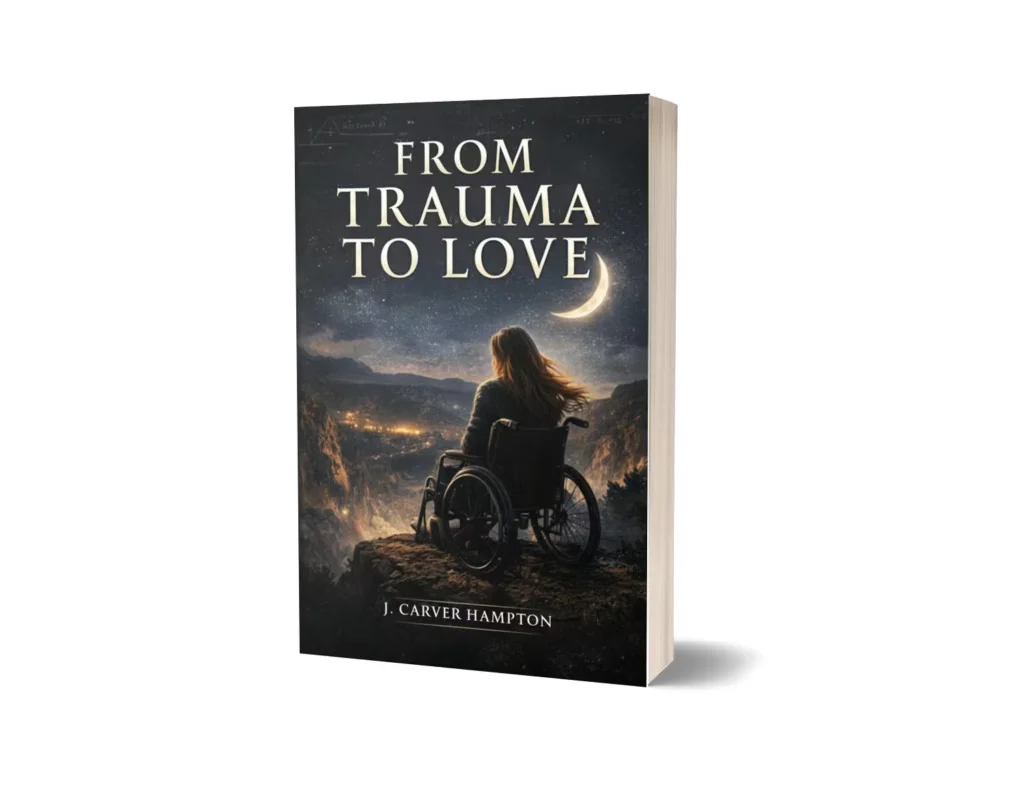
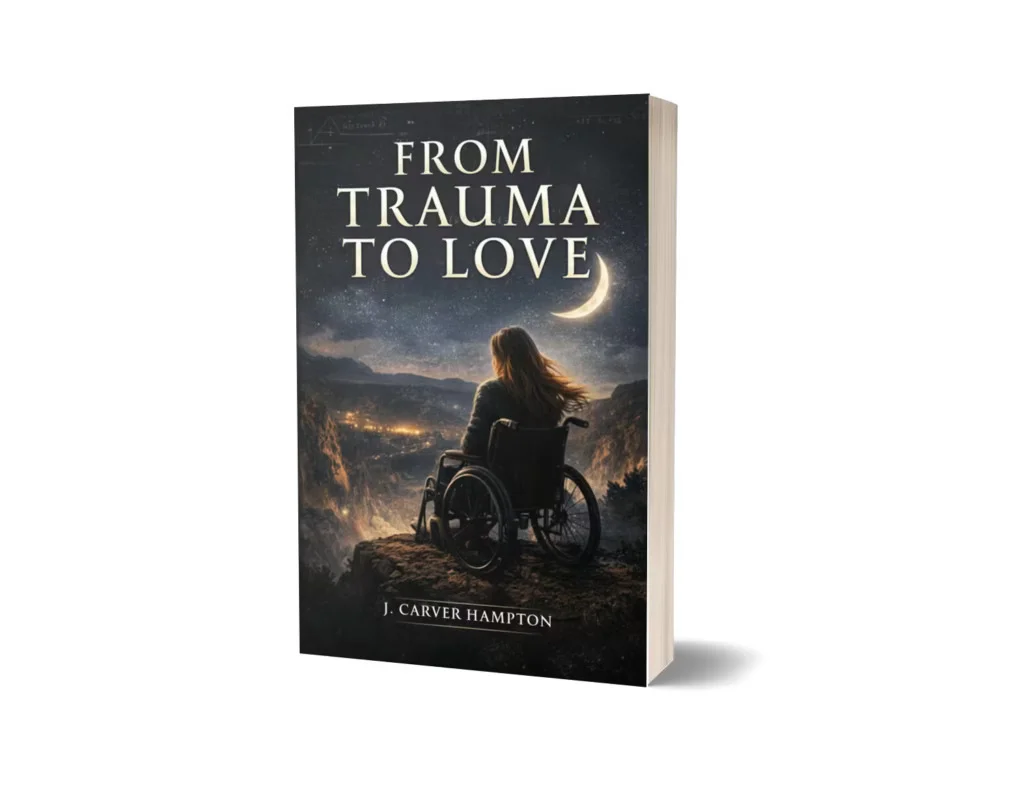
loudly. From Trauma to Love by J. Carver Hampton is exactly that kind of
story, one that starts with a car wreck and ends with something that feels
uncomfortably real: the truth that the people closest to you can cause the
deepest harm.
This novel doesn't try to make pain pretty. It confronts it head-on, and that's what makes it worth reading.
When the Road Curves Without Warning
Most readers have experienced at least one version of this: a moment when life pivots without permission. An accident. A diagnosis. A relationship that fractures. Hampton opens From Trauma to Love inside one of those moments, a young woman fighting to survive a violent crash on a dark New Mexico road.
Elara Vance is a physics major. She's sharp, driven, and completely unprepared for what comes after that night. Recovery strips her of independence. And that vulnerability, it turns out, is something the people around her plan to exploit.
That premise alone carries enormous emotional weight. Hampton understands something many authors miss: trauma doesn't end when the danger does. It lingers in the body, in the relationships, in the quiet moments when no one is watching.
The People Who Were Supposed to Protect Her
Here's where the novel earns its darker title: From Trauma to Love isn't just a romance. It's a story about betrayal wearing the face of care.
Elara's nurse, her academic peers, and even a parent, people placed in positions of trust, are not what they seem. Hampton constructs a circle of influence around Elara that tightens slowly and deliberately. The effect on a reader is unsettling because it mirrors something real: the way manipulation is rarely loud or obvious. It's administrative. It's procedural. It hides inside care routines and family loyalty.
This is the kind of emotional territory that resonates with anyone who has ever felt controlled while being told they were being protected. Parents who weaponize concern. Caregivers who profit from dependency. Institutions that move slowly while someone suffers quickly.
Hampton doesn't moralize about it. The story shows it, and that restraint makes it hit harder.
Logic Meets Something It Can't Quantify
Kaelen Thorne is a computer science professor. He thinks in algorithms, patterns, and logic. He is, in many ways, the last character you'd expect to anchor a story about healing and love.
That's precisely why he works.
Kaelen enters Elara's life not through a meet-cute but through a moment of crisis. He's the one who called for help on that dark road. He's also the one who, months later, refuses to reduce her to a statistic when the systems around her do exactly that.
His journey in From Trauma to Love is about the limit of logic. Data can map a person's progress. It cannot hold them while they grieve. Hampton draws this distinction carefully, and it gives the novel its emotional core: two intelligent, guarded people learning that the most important problems don't come with clean solutions.
Why This Book Challenges a Quiet Assumption
Most people want to believe that family is safe. That professional care is trustworthy. That institutions designed to help will actually help.
From Trauma to Love challenges each of those assumptions without cynicism. Hampton doesn't argue that love is impossible or that trust is foolish. The novel argues something more specific: that healing requires seeing clearly, even when clarity is painful.
Elara has to reckon with the fact that her harm came from inside her own orbit. That kind of betrayal, intimate, sustained, and strategic, reshapes a person's sense of reality. Hampton depicts this shift not as a breakdown but as a reckoning, and there's a difference. Elara doesn't fall apart. She reorients.
That distinction is important, especially for readers who've navigated similar experiences and know that "falling apart" rarely captures what actually happens inside a person rebuilding their sense of safety.
The Physics of Healing
Hampton uses the language of science throughout the novel, equations, variables, iteration, and entanglement, as more than a stylistic flavor. The framing reflects something true about recovery: it is not linear. It is not predictable. Progress looks like data, not epiphany. A degree of movement here. Four more seconds of weight-bearing there.
For readers who've been through long physical or emotional rehabilitation, this framing is quietly accurate. Healing rarely announces itself. It accumulates.
And ultimately, what From Trauma to Love builds toward is not the absence of pain, but the presence of something strong enough to exist alongside it.
A Story That Earns Its Resolution
From Trauma to Love earns its ending by not skipping the hard middle. Hampton takes readers through the confusion, the slow unraveling of trust, and the painstaking work of healing before offering any resolution. By the time the equation is solved, readers have done the math alongside these characters.
That's the mark of a story that respects its audience.
This book belongs in the hands of anyone who has survived something they weren't supposed to survive, and anyone still figuring out what it means to trust again.
From Trauma to Love by J. Carver Hampton is available now. If this story sounds even partially like yours, it's worth the read.