Sign up with Google
 Sign in with Zoho

Most people who survive something life-altering walk away with two things: a scar and a story. But survival, the raw, physical kind, is only the beginning. What happens after the ambulance leaves? What fills the silence once the chaos fades?
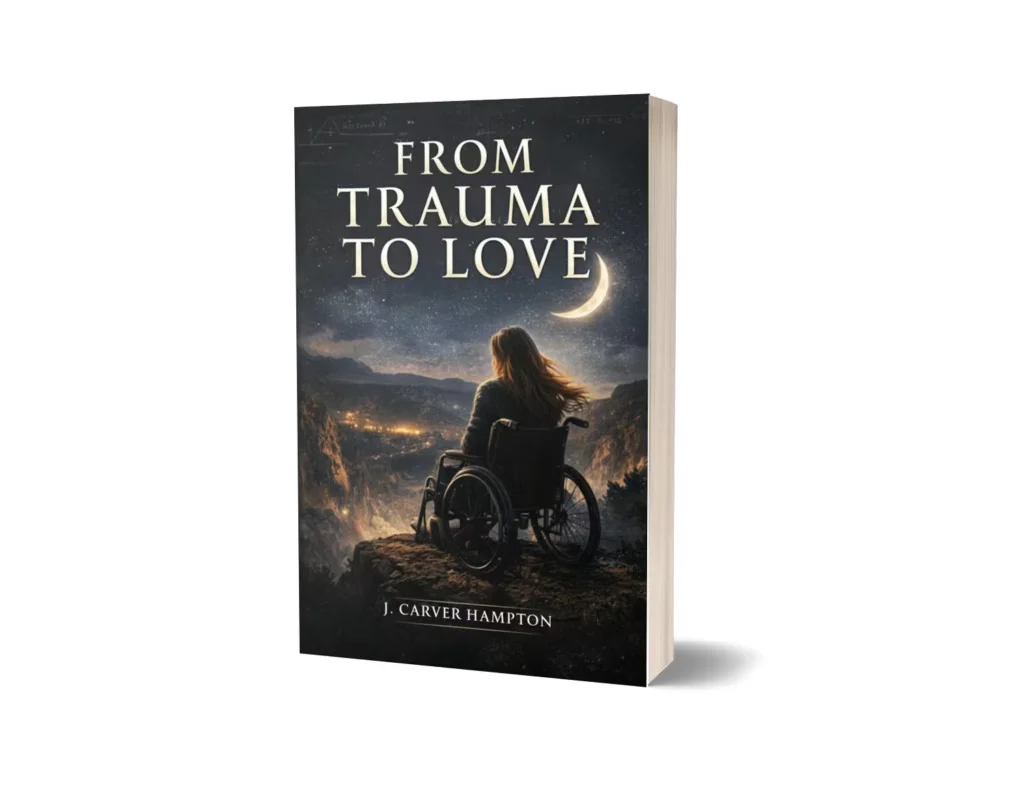
That is exactly the question J. Carver Hampton forces readers to sit with in From Trauma to Love.
The Book Nobody Saw Coming, But Everyone Needed
There is no shortage of recovery narratives on bookshelves today. Most follow a familiar arc: something terrible happens, the protagonist suffers, and eventually, healing arrives like a well-timed sunrise. Readers know the formula. And honestly, the formula has grown tired.
From Trauma to Love breaks that mold without apology.
Hampton builds a story set against the unforgiving desert landscape of New Mexico, a place where the terrain itself feels like a metaphor for what its characters carry. At the center of the story stands Elara Vance, a sharp-minded physics student whose life changes in a single, catastrophic moment on a dark, winding road. Alongside her is Dr. Kaelen Thorne, a computer science professor whose entire worldview runs on logic, structure, and patterns, none of which prepare him for what unfolds between them.
What makes this book genuinely different is that it refuses to treat trauma as a plot device. Hampton treats it as a living thing, something that follows people into libraries, into quiet conversations, and into the space between two people who should never have crossed paths.
Why Recovery Stories Often Miss the Point
Here is the uncomfortable truth that most wellness content avoids: surviving trauma does not automatically produce healing. Research published in psychological literature consistently shows that people who experience significant accidents or injury frequently wrestle with identity loss, trust issues, and emotional numbness, sometimes long after the physical wounds close.
Readers who have lived through betrayal, accidents, grief, or sudden life disruption recognize this gap immediately. The world moves on. People ask, "Are you better yet?" And the honest answer is often: not the way you mean.
Hampton gets this. Elara does not emerge from her trauma polished and ready. She carries fragments of memory, of doubt, of something she cannot quite name. Kaelen, despite his analytical mind, discovers that logic reaches its limit when faced with genuine human complexity. Neither character has a clean answer. That is precisely what makes them feel real.
Betrayal as a Theme, Not Just a Plot Twist
One of the most underexplored dimensions of trauma narratives is the role of betrayal, not always from enemies, but from circumstances, from people close to the survivor, from one's own mind.
Hampton weaves this theme through the fabric of the story with care. Trust becomes a complicated currency throughout the book. Who means well? Who carries hidden intentions? The constellation of characters surrounding Elara each brings their own agendas, perspectives, and versions of loyalty. Hampton does not make villains cartoonish or heroes spotless. He makes them human, which is far more unsettling and far more honest.
This is the kind of storytelling that sticks.
The Courage to Feel Again, and Why That Is Harder Than It Sounds
Anyone who has shut down emotionally after a painful experience understands the particular safety of feeling nothing. Numbness is protective. It is also a trap.
The emotional core of From Trauma to Love lives in this tension, between the instinct to protect oneself and the terrifying, necessary act of letting someone in. Hampton does not rush this. He lets it breathe. He lets it be awkward, uncertain, and incomplete, the way real connection actually is.
For readers navigating their own recovery from loss, from heartbreak, from the aftermath of something that changed them, this book functions less like a story and more like a mirror.
Who Should Read This Book
From Trauma to Love belongs on the reading list of anyone who has ever felt like the hardest part of a difficult experience was not the event itself, but everything that came after. It speaks directly to people rebuilding their sense of self, questioning who they can trust, and slowly, sometimes painfully, learning to open up again.
Hampton writes with the kind of quiet authority that only comes from a deep understanding of human nature. This is not a light beach read. It is a book that asks something of its reader: attention, patience, and a willingness to sit with questions that do not resolve easily.
That is its greatest strength.
From Trauma to Love by J. Carver Hampton is available now. If the idea of a story that honors the full weight of recovery, without flinching or sugarcoating, resonates with you, this book deserves a place on your shelf.